TL;DR: A visual content calendar for hospitality brands is a production schedule, not a posting schedule. The brands that get it right plan shoots three to six months ahead, build two asset layers (evergreen hero content and a seasonal refresh cycle), and never commission work during peak service. This post covers when to shoot, how to structure the asset library, and how one planned day can carry a full year of seasonal content.
Why Hospitality Brands Need a Visual Content Calendar
Hospitality visual content is not optional to plan. The State of Social Research found that 90% of restaurants rate social media as "very" or "extremely important" to their digital marketing. Skift Research puts 75% of travelers on social media when choosing a destination. The images that fill those feeds need to be planned, captured, and ready well before anyone is actively searching.
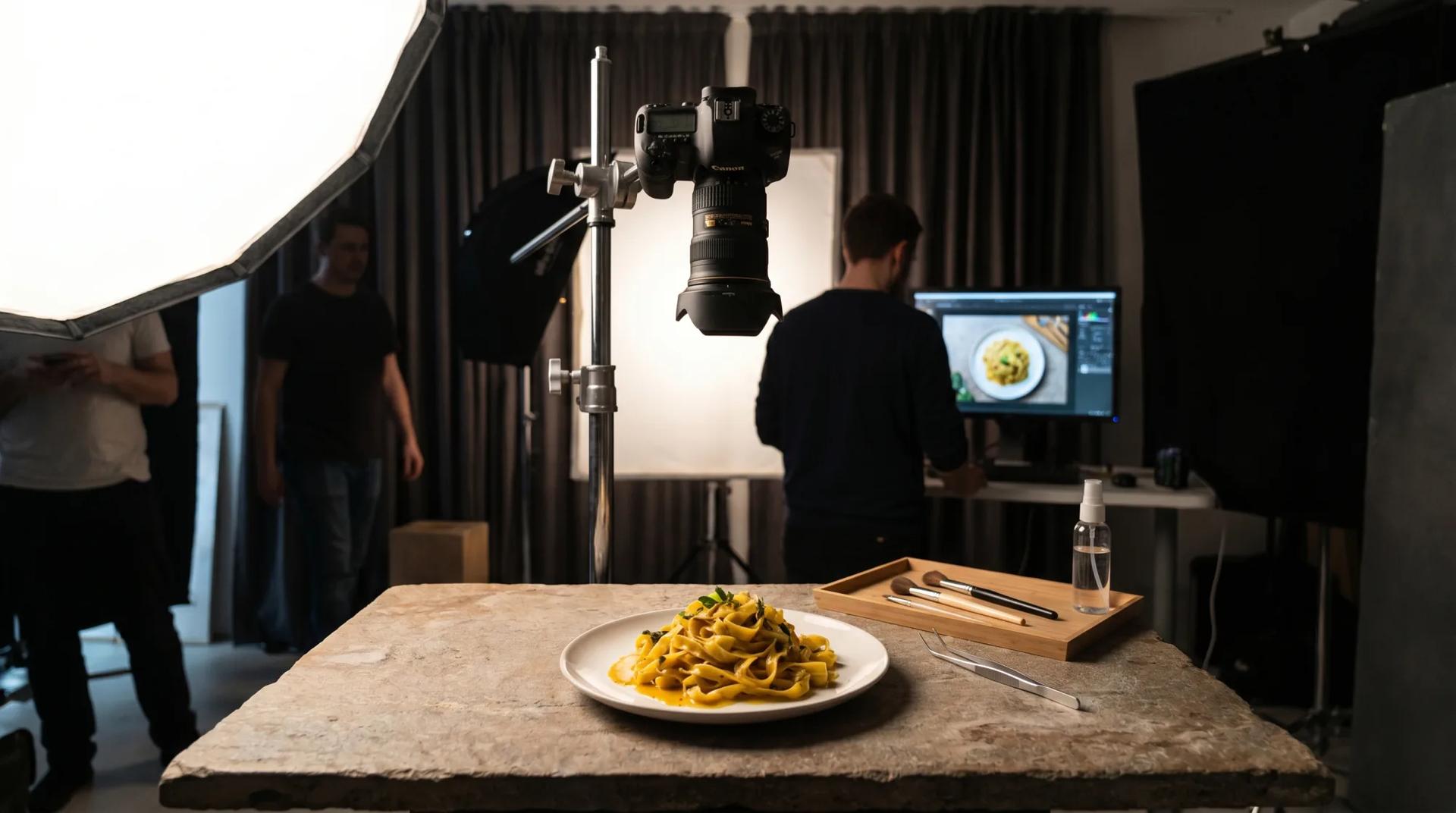
The alternative is shooting reactively: noticing content is thin once the season is live, then trying to commission a shoot during peak service. The result is poor quality, poorly executed, or a moment missed entirely. There are no hard numbers attached to that cost, but any marketing lead who has posted a phone snap on Valentine's Day because the shoot did not happen in December knows exactly what it feels like. Understanding the real cost of a commercial food shoot makes the planning calculus clearer.

The Two Asset Layers Every Hospitality Brand Needs
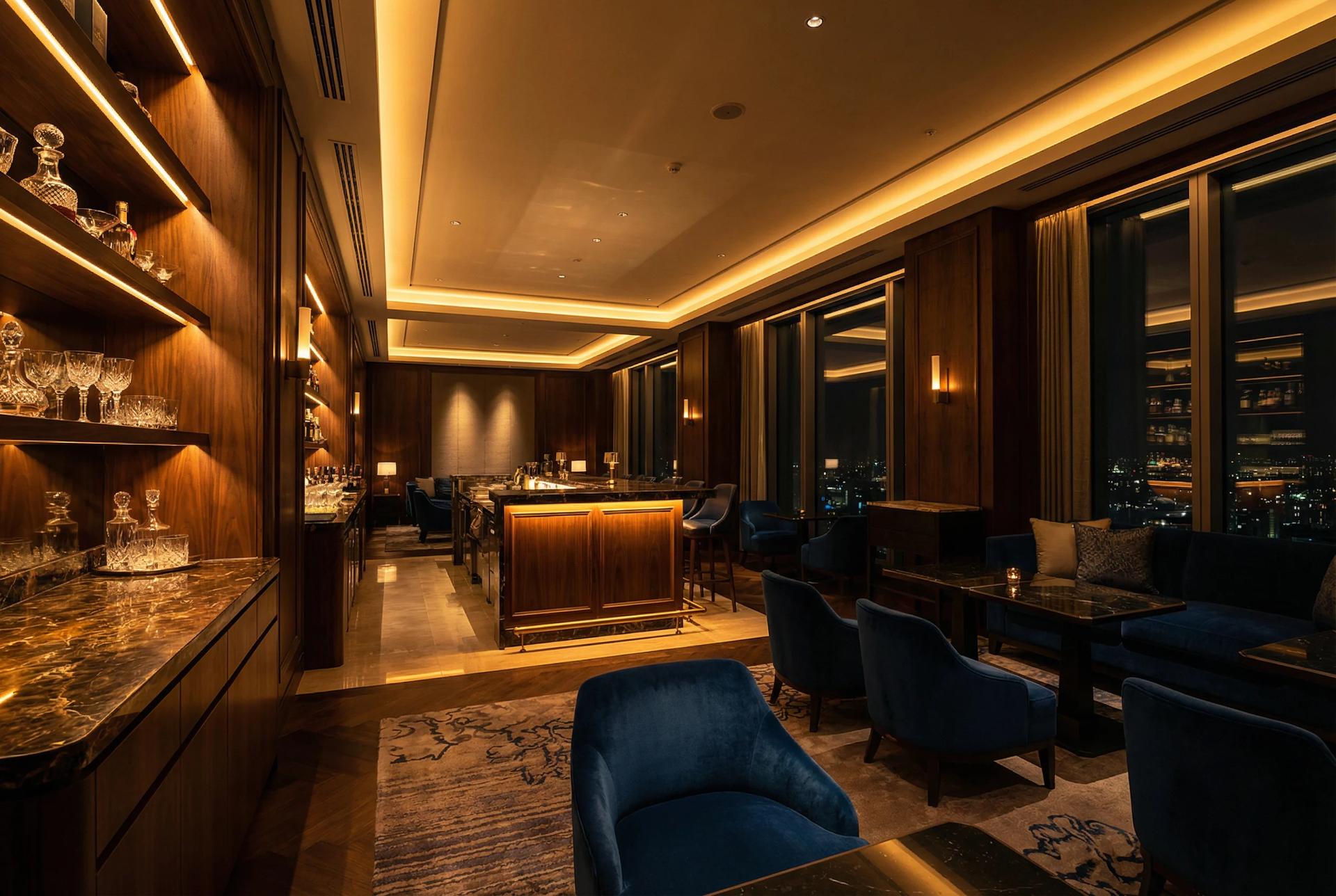
The most durable content libraries are built in two layers. The first is evergreen hero content: the dining room at service, the bar program, the signature dishes, the exterior and terrace structure. These images anchor the brand visually across the year and only need refreshing when the space or menu changes materially.
The second layer is seasonal refresh content: outdoor dining activated for summer, festive decor for Christmas and New Year, Valentine's menu setups, Mother's Day and Thanksgiving occasion setups. These are captured on planned shoot days tied to the commercial calendar, not produced in response to it. How lighting decisions shape the final asset library matters for both layers, because the same room reads very differently at midday, at service, and under festive styling.
When to Shoot, and When Not To
The most important rule in a hospitality content calendar is simple: do not schedule a shoot during your busiest service periods. July and August in the UK, the Christmas party run in London, peak summer in New York, Thanksgiving week in the US. These are the windows where marketing teams feel most urgently that they need new content. They are also the windows where shooting is operationally hardest and the results are most compromised.
The deadline hospitality clients miss most often is Christmas content. The space is always decorated for something else when the window arrives, and there is no bandwidth to execute a Christmas shoot well once high season is underway. The right approach is to plan Christmas content for August or September, when operations are manageable and the shoot gets the time and attention it needs. Shooting in October is already late.

How One Shoot Day Covers Multiple Seasons
A single well-structured shoot day, built around a clear content calendar, can produce seasonal content that runs across multiple commercial windows. The precondition is knowing what the calendar demands before you walk into the shoot.
A recent project for a gin brand covered Father's Day, gifting moments, Thanksgiving, Friendsgiving, the 4th of July, and Christmas in a single capture. The bottle, the environments, and the models were locked in advance. Every seasonal moment was planned before the shoot day. The entire year of seasonal content was delivered in May, months before any of it would actually run. That kind of output is not achievable from a reactive approach. It requires knowing what the calendar demands and building the shoot around it from the start.
The same logic applies to a hotel or restaurant group. One autumn shoot day can cover harvest menus, pre-Christmas awareness, and New Year's Eve mood if it is structured with all three in mind. The asset that anchors the evergreen hero library also becomes the source for seasonal formats when the production plan accounts for both.
Build the Calendar Around Commercial Windows
Hospitality revenue is concentrated in windows: Valentine's Day, Mother's Day, the summer terrace season, Christmas party bookings, New Year's Eve. The content that supports those windows needs to be live before the booking period opens. If the images are not ready, the channel runs dark during peak commercial intent.
For brands operating across both the UK and US, accounting for calendar differences is not optional. Mothering Sunday falls in mid-March, not in May. The Easter bank holiday from Good Friday through Easter Monday is a significant hospitality peak. The August bank holiday is busier than many US-facing teams expect. Running two sets of seasonal timing is part of operating across both markets.
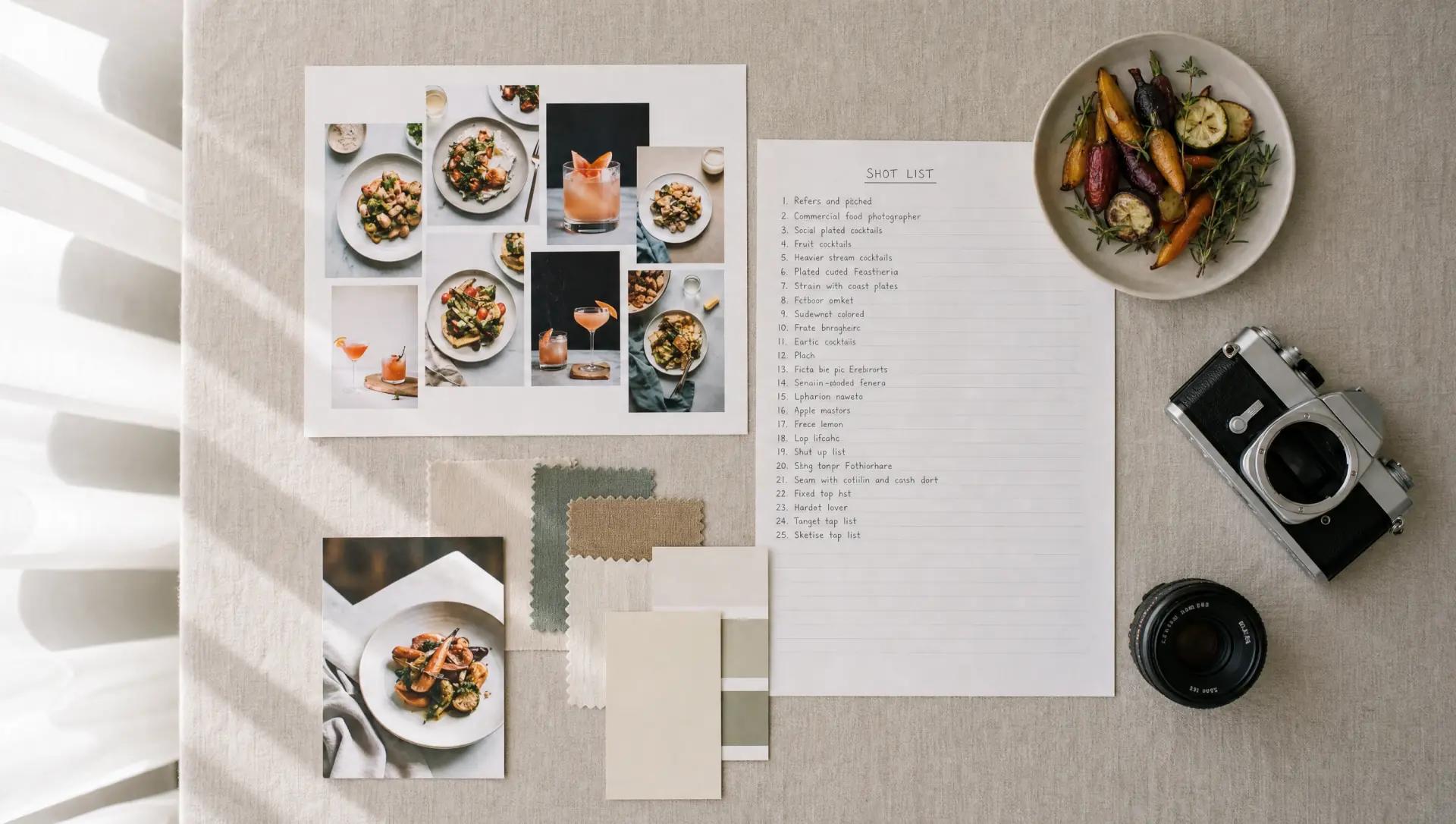
A working calendar maps shoot dates to commercial windows and works backwards from the deploy date. If Christmas party content goes live in October, the shoot happens in August or September. If spring terrace content launches in late March, the shoot happens in January. Knowing how to brief your photographer ahead of those windows is what turns the calendar into an executable plan.
Ready to Plan Your Content Year?
Brent Herrig Creative is a culinary motion production company based in New York and London, working with hotel groups and restaurant brands across both markets. A visual content calendar is a production document. Writing one means knowing your commercial windows, your asset gaps, and how many shoot days the year actually requires. For most restaurant or hotel groups, that is six to eight shoot days, structured around the moments that drive bookings.
If you are working out what that looks like for your brand, book a call and we can map it out.
Frequently Asked Questions
How far in advance should a hospitality brand plan visual content?
Three to six months is the minimum for most shoots, with seasonal moments like Christmas requiring even longer lead times. August and September are the right months to shoot Christmas content for a London or New York hospitality brand. Planning this far ahead means the content is ready before the commercial window opens, not scrambled together during peak service.
How many shoot days does a hotel or restaurant group actually need?
Six to eight shoot days a year is the right cadence for most groups. Some days are dedicated to the evergreen hero library. Others are planned around seasonal moments and menu refreshes. Whether that runs through a retainer or individual bookings depends on how the client prefers to structure production.
What is the difference between evergreen hero content and seasonal refresh content?
Evergreen hero content is the foundational visual identity of the space: the dining room, the bar program, the signature dishes, the exterior. It is captured with staying power and refreshed only when something material changes. Seasonal refresh content layers on top: festive decor, summer terrace setups, occasion menus, timed to commercial windows. Both require planned production but operate on different schedules.
Why does reactive shooting produce worse results?
Reactive shooting happens under pressure, at the worst operational moment, with less planning than the work requires. The result is poor quality, poorly executed, or content that misses the moment because it was not ready in time. A brand running dark on imagery during peak booking season has a planning problem that started months earlier.