TL;DR: Luxury reads as luxury in a photograph because of how the light behaves, not how much gear is in the room. The patterns that carry a hotel, resort, restaurant, or bar are mostly about respecting the light the space already has, keeping warm and cool tones honest, and shooting the short dusk window when interior glow and sky balance. A peer reviewed study found that higher image aesthetic quality raises the probability of an online hotel booking (Toubes, Vila and Fraiz, Humanities and Social Sciences Communications, 2023). Shoot the light well once, and one setup feeds a season of assets.
A hotel can spend years and a small fortune designing how a room feels, then lose all of it in a photograph because the lighting was treated as a problem to overpower instead of a quality to capture. The atmosphere is the product. In hospitality, the picture is often the first room a guest ever stands in.
That is why I treat hospitality lighting differently from a clean studio table. On a tabletop set I build the light from nothing. In a hotel lobby or a restaurant at service, the light is already there, designed on purpose, and my job is to read it, shape it, and protect it. Below are the lighting patterns I keep coming back to, and how each one feeds a library you can use long after the shoot.
What Makes Hotel and Hospitality Lighting Different?
Hospitality lighting is environmental and emotional before it is technical. Imagery now carries an outsized share of the booking decision: social media has the strongest influence on where travelers choose to go, ahead of television, news, and even friends and family (Skift Research, 2025). The picture is doing the selling, so the light has to do the feeling.
The hard part is that hospitality interiors are built for human eyes, not for a sensor. The eye adapts to mixed sources without thinking. A camera does not. A single frame can hold warm tungsten downlights, cool daylight from a window, a green cast off a planted wall, and a candle on the table, all fighting each other. The work is deciding which of those sources tells the truth about the space, then building the exposure around that decision instead of flattening everything into one neutral wash.
If you are weighing the broader business reasons to invest here, see the hotel and resort photography portfolio for how this reads in finished work. The patterns below are how it gets there.
Pattern 1: Let the Room's Own Light Be the Light
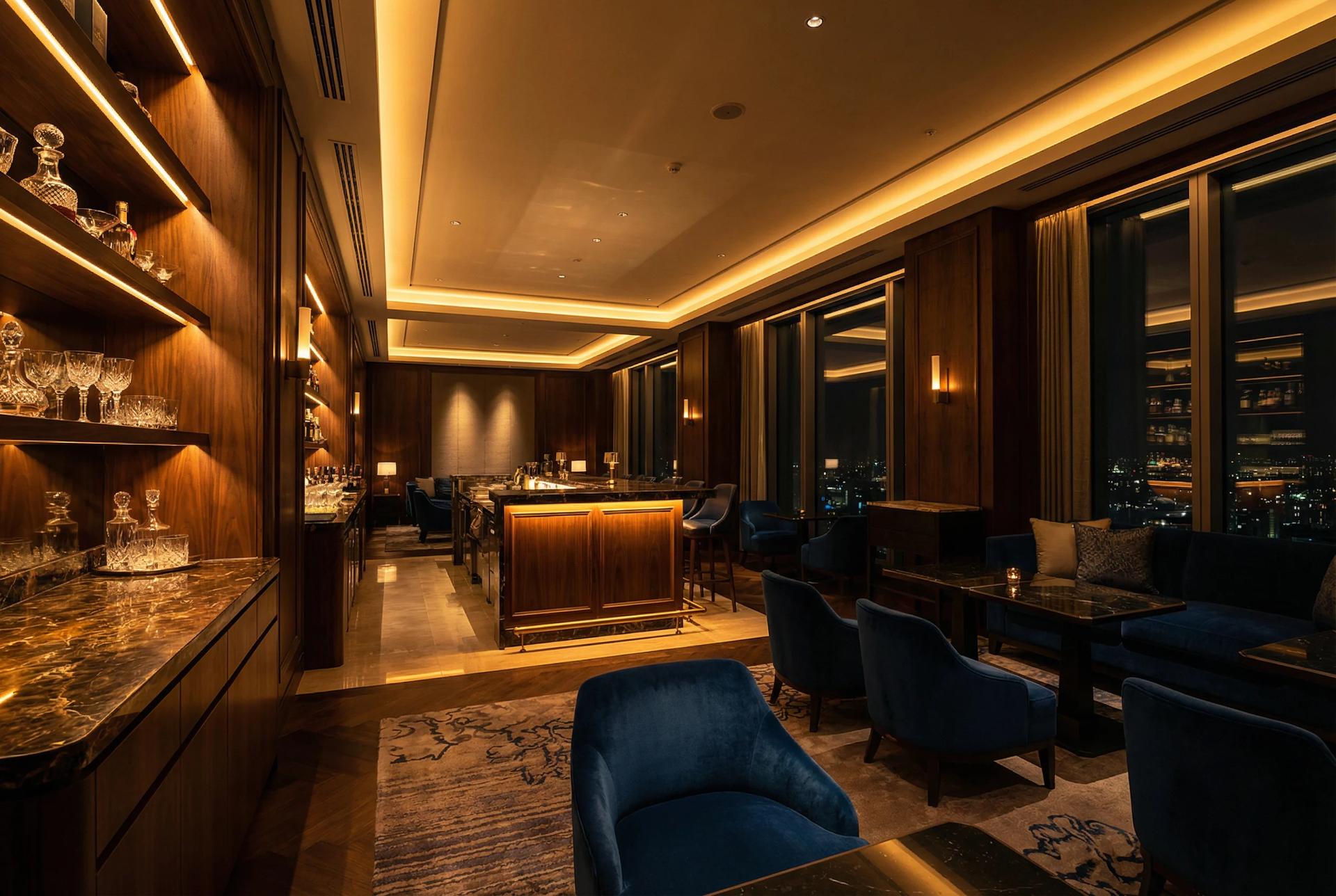
The fastest way to make a luxury interior look cheap is to blast it with one hard, foreign source. The first pattern is motivated practical lighting: let the chandeliers, sconces, pendant lights, and bar backlighting stay visible as the key, then add only enough fill to hold shadow detail without killing the mood. The guest sees a believable room, not a lit set.
In practice that means I expose for the glow first. A warm pendant over a bar should read as the reason the scene is lit, with its falloff intact across the counter. When I add light, it is soft, shaped, and feathered in so the practicals still lead. The moment a viewer can feel an off camera strobe, the romance is gone and the image starts to look like a brochure from twenty years ago.
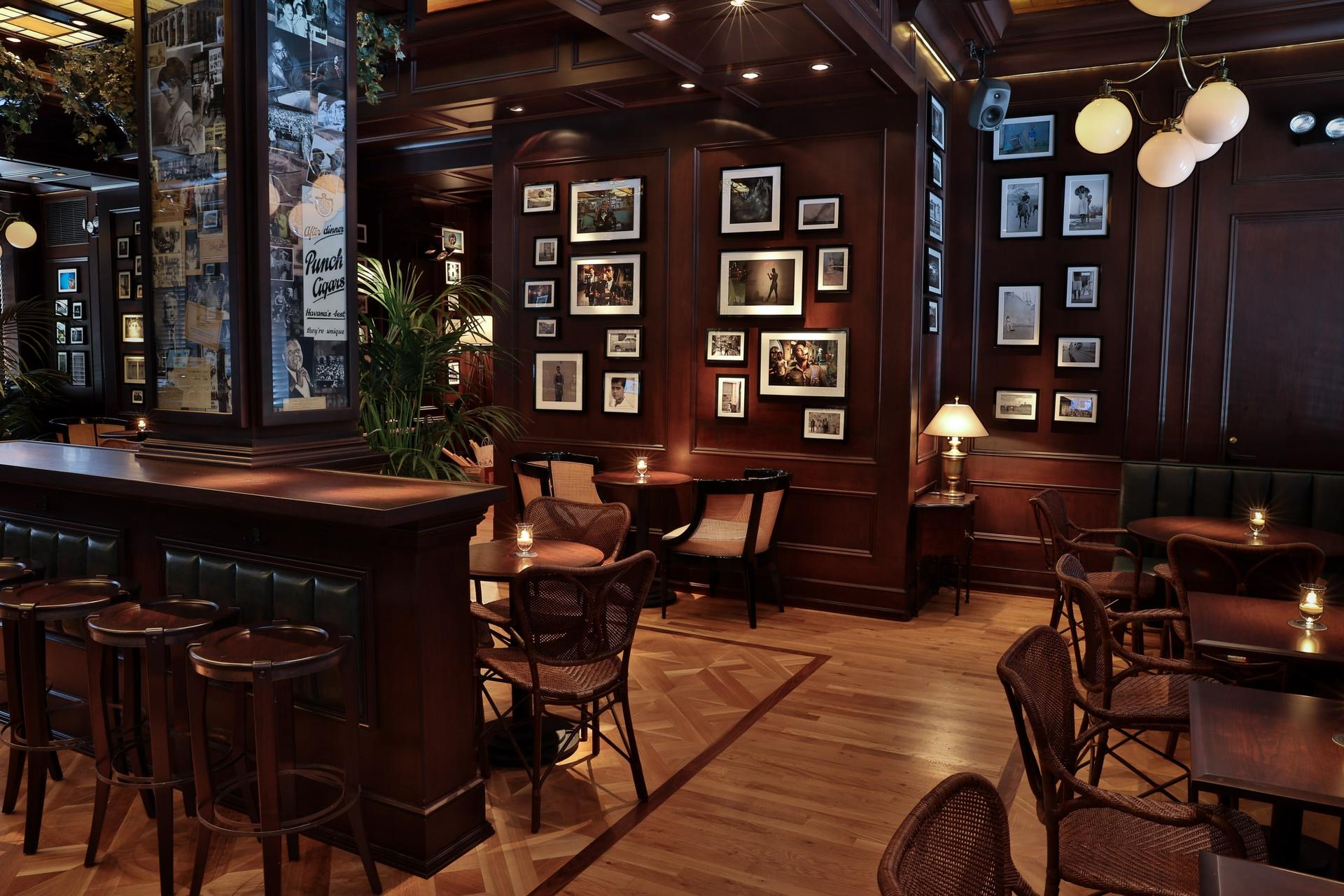
Motivated practical lighting is the single biggest separator between hospitality work that feels lived in and work that feels staged. By exposing for the room's own fixtures and adding only soft, shaped fill, the photograph keeps the atmosphere the designer built, which is the exact quality a guest is paying to experience. This is the pattern I reach for first in lobbies, bars, and restaurants at service.
Pattern 2: Keep Warm and Cool Apart on Purpose
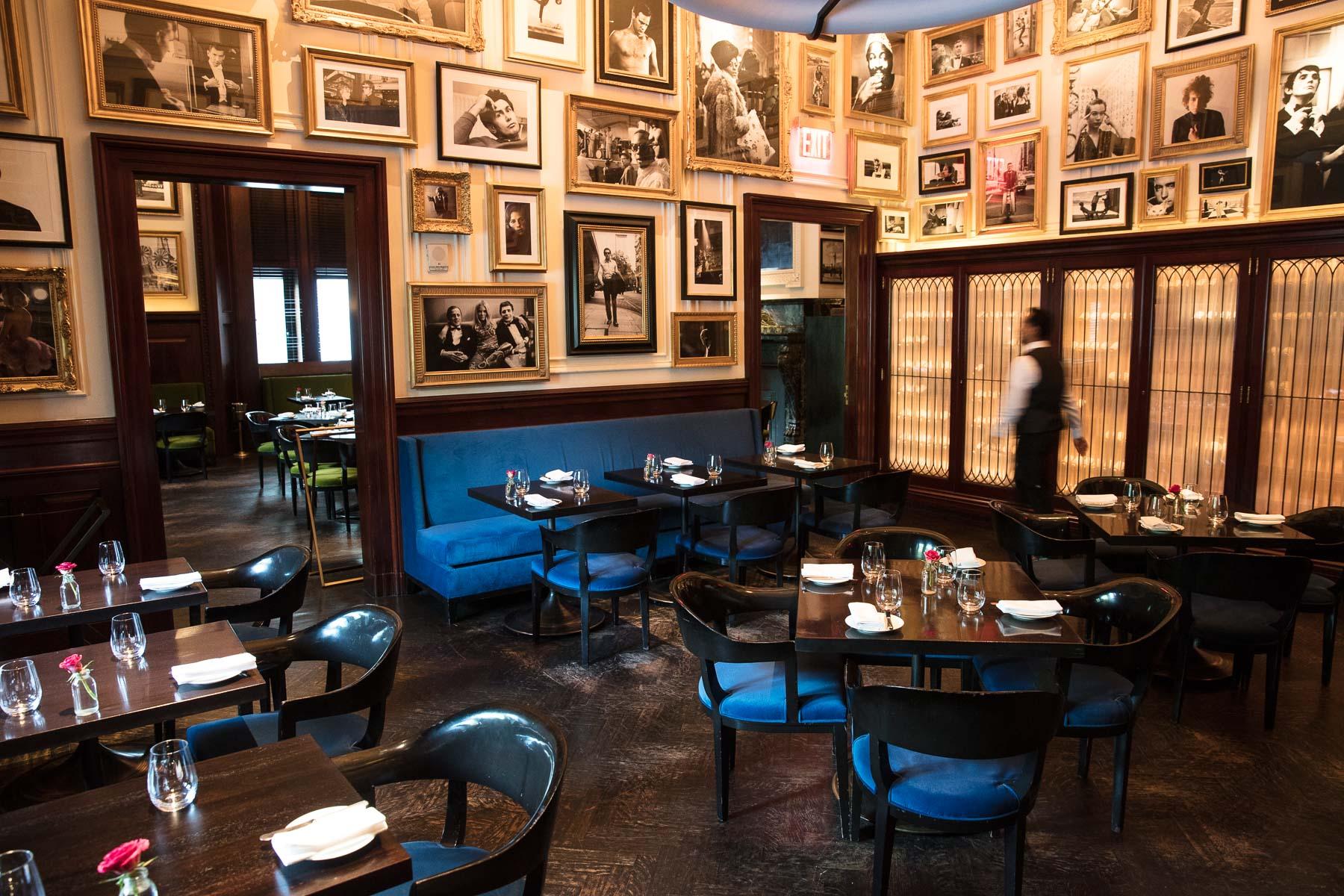
White balance is a creative decision in hospitality, not a correction. The second pattern is preserving the deliberate split between warm interior light and cool exterior or accent light, because that contrast is one of the strongest signals of a considered, high end space. Neutralize it and a moody hotel bar turns into a conference room.
So I decide early what neutral means in the frame. Usually I anchor white balance to the warm hospitality light the design intends, then let the daylight through a window go honestly cool, and let a blue accent stay blue. The picture keeps its temperature story. The aesthetic quality of that final image is not a soft concern. Research on hotel photo imagery found that higher aesthetic quality measurably raised the probability of an online booking (Toubes, Vila and Fraiz, Humanities and Social Sciences Communications, 2023). How the light is balanced is part of what that study is measuring.
The same discipline is what lets a single property hold one look across a restaurant, a suite, and a spa. For the wider version of that idea, treating visuals as a system rather than a set of one off shots, see building a unified brand identity.
Pattern 3: Shoot the Dusk Crossover
There is a window of roughly twenty minutes after sunset where the sky still holds deep blue and the interior lights have just taken over. The third pattern is building exterior and terrace shots around that crossover, because it is the only time the inside glow and the outside light sit in balance in a single exposure. Miss it and you get either a black sky behind a hot interior or a flat daytime building with the lights lost.
This window is short and it does not wait, so the shot is planned before it arrives. I lock composition, set the interior practicals, meter for the falling ambient, and then work fast as the balance shifts frame to frame. Resort facades, rooftop bars, pool decks, and terrace dining all live or die on this timing.
The dusk crossover is the highest leverage twenty minutes on a hospitality shoot, and it rewards planning over reflexes. Locking the frame and the interior lights in advance, then metering the falling sky, is what lets a single exposure hold both a glowing interior and a true blue sky, the combination that makes a resort look like somewhere you want to be at exactly that hour.
Pattern 4: A Room-Type Playbook
Every hospitality space has a controlling light, and naming it before the shoot decides the whole approach. The fourth pattern is a simple room by room playbook so each space gets the strategy it actually needs instead of one default setup dragged through the building.
- Lobby: Mixed ambient plus chandeliers. Expose for the signature fixture, balance daylight from the entrance, hold scale and symmetry.
- Guestroom: Window daylight is usually the hero. Time it for soft directional light, add gentle fill, keep the bed and textiles honest.
- Restaurant: Practical pendants and table candles lead. Protect the warmth, keep food appetizing, shoot both empty elegance and lived in service.
- Bar: Backlit bottles and low key mood. Let it go dark and rich, expose for the glow, never flatten the shadows.
- Spa: Calm, low contrast, soft. The light should feel like quiet. Diffuse everything and protect the sense of stillness.
- Pool deck and terrace: Golden hour and the dusk crossover. Plan around the sky, not the clock.
Naming the controlling light per room is the difference between a coherent set and a scramble. It also makes the day predictable, which matters when the shot list is long and the property is only yours for a few hours.
Lighting for Reuse: One Setup, Many Formats
The last pattern is the one that changes the budget. When the light is captured cleanly, a single setup becomes a hero frame, supporting angles, negative space for layouts, and a motion loop, instead of one flat photo. That reuse is where hospitality imagery earns its keep, because the demand for formats keeps climbing. Motion is a real part of that mix: in a controlled experiment, 360 video earned 46 percent more views than standard video (Think with Google), evidence that immersive formats hold attention even though that test sat outside hospitality.
The market is moving the same direction. The virtual tour market is projected to grow from about 11 billion dollars in 2024 to roughly 74 billion by 2030, a compound annual growth rate near 34 percent, with hospitality among the fastest growing segments (Grand View Research, 2024).
This is exactly where a shoot should be planned as a source library, not a single deliverable. The capability set, background extensions, seasonal variations, still to motion, and format expansion, lives on the hybrid production services page, and the logic of feeding several markets from one strong shoot is laid out in building a global production workflow. One property put it plainly in its own numbers: guests offered a 360 tour were 67 percent more likely to book, a single property case study rather than an industry average, but a clear signal of where attention goes (HotelTechReport, 2025).
Why the Lighting Is the Business Case
For hospitality, lighting quality is not a finishing touch, it is part of what drives the booking. The peer reviewed work on hotel imagery is direct about it: better aesthetic quality in a listing's photos raises the likelihood that someone books (Toubes, Vila and Fraiz, 2023). The light is a large part of that aesthetic quality, which means the lighting choices on a shoot day show up later as conversion.
That is the throughline behind every pattern here. Respect the room's own light, keep the temperature story honest, shoot the dusk window, give each space the strategy it needs, and capture it all cleanly enough to reuse. The result is imagery that looks like the place actually feels, which is the only version that sells it.
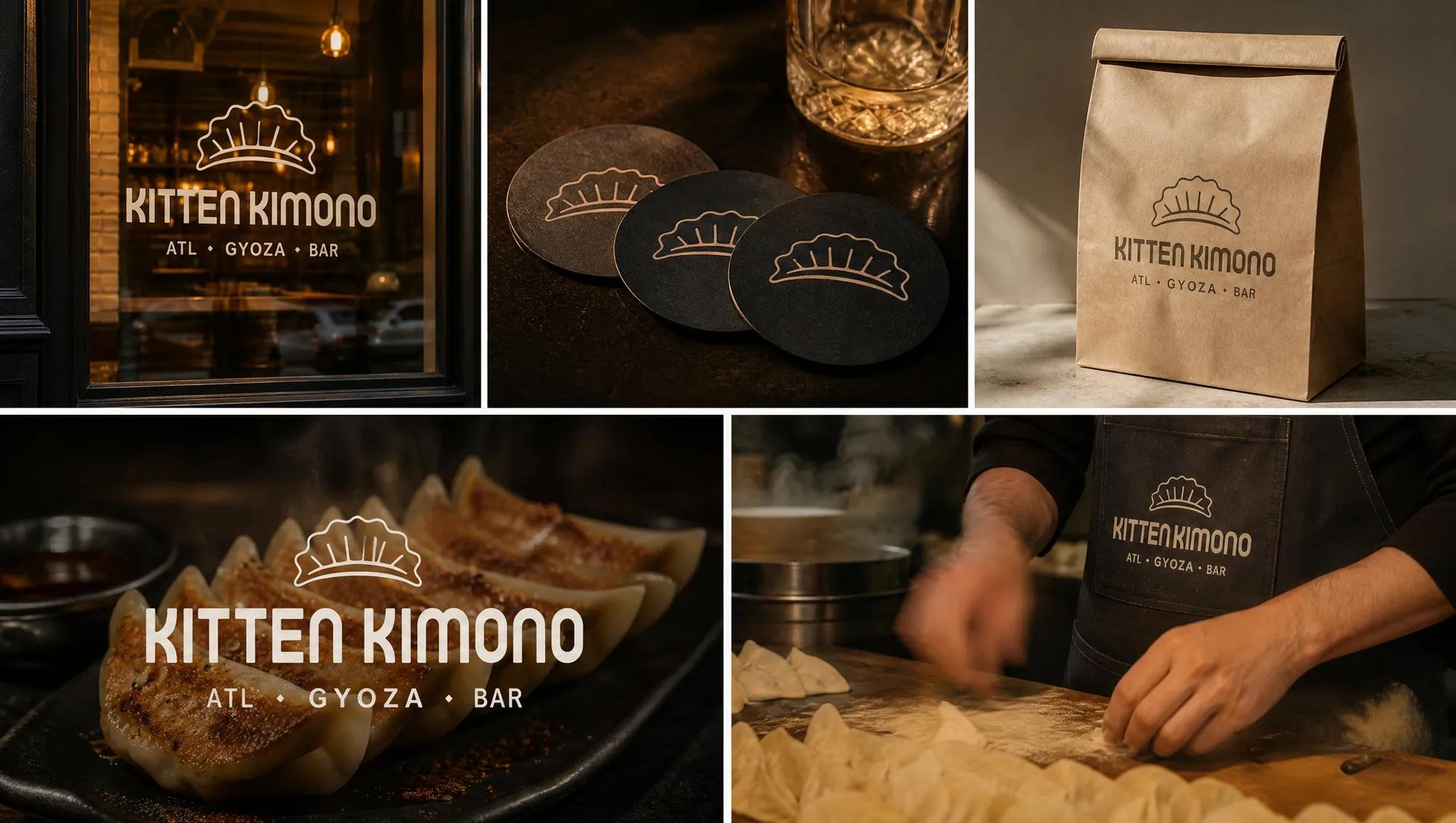
This kind of atmosphere work carries across food and drink too, from a plated dish to a finished cocktail. You can see the range in the food photography portfolio, the editorial food photography work, and a luxury drinks example in the Belvedere and Chandon garden campaign.
Frequently Asked Questions
What is the best time of day to photograph a hotel exterior?
The dusk crossover, roughly twenty minutes after sunset, is the strongest window for exteriors, terraces, and pool decks. It is the only time the sky still holds deep blue while the interior lights have taken over, so a single exposure can balance both. Plan the shot before it arrives, because the window is short and the balance shifts frame to frame.
How do you handle mixed lighting in hotel interiors?
You decide what neutral means in the frame, then commit. I usually anchor white balance to the warm hospitality light the design intends, let daylight from windows stay honestly cool, and let accent colors hold their tone. The goal is to preserve the deliberate temperature contrast that signals a considered space, not to flatten every source into one neutral wash.
Should hotel restaurants and bars be lit differently?
Yes. A restaurant leads with practical pendants and table candles, so you protect warmth and keep food appetizing across both empty elegance and lived in service. A bar is low key by design, so you let it go dark and rich, expose for the backlit glow, and never flatten the shadows. The controlling light is different, so the strategy is different.
Does better hospitality photography actually affect bookings?
Research on hotel imagery found that higher image aesthetic quality raises the probability of an online booking (Toubes, Vila and Fraiz, 2023). Since lighting is a major part of that aesthetic quality, the lighting choices on a shoot day translate into conversion later. The atmosphere a guest responds to is the same atmosphere that earns the booking.
Book the Shoot Around the Light
Luxury hospitality photography is mostly a series of decisions about light: which source leads, how warm and cool sit together, when to shoot the sky, and how to capture it all cleanly enough to use for a year. Get those right and the imagery does what the property was built to do, which is make someone want to be there.
If you are planning a shoot for a hotel, resort, restaurant, or bar, see the hotel and resort photography portfolio and book a call. We can map the room by room lighting plan and the reusable asset library before anyone touches a camera.