TL;DR: Paying for a food photography shoot does not mean owning unlimited usage of the images. Under U.S. law, the photographer holds copyright at the moment of creation (U.S. Copyright Office, Circular 1). What the client receives is a license, and that license's scope, term, and media channels determine the price.
The most common misconception in commercial food photography is that paying for the shoot means owning the images outright, forever, across every channel. It doesn't work that way. Under U.S. copyright law, the photographer owns the copyright the moment the shutter fires (U.S. Copyright Office, Circular 1). What gets transferred to the client is a license, not ownership, unless a specific written agreement says otherwise.
This creates confusion on both sides of the table. Brands assume they're buying assets. Photographers assume the scope is understood. Neither assumption holds up when the images start traveling across paid ads, packaging, and international campaigns months later. Usage rights aren't a hidden fee or a penalty. They're how value gets matched to actual business use.
I learned this the hard way early in my career. A client asked for images for one purpose, then rolled them out across several other assets, and I didn't catch it until long after the project had wrapped. We talked it through, but by then the moment to set fair terms had already passed. Since then, I've always had the usage conversation upfront, before anyone picks up a camera. The payoff showed up a few years later: a client I'd photographed in 2019 wanted those same images for their 2020 campaign and chose to re-license them rather than reshoot. Because we'd defined the original scope from the start, extending it was a simple, fair conversation. They avoided an in-person shoot during COVID, I was paid for the additional usage, and nobody had to start over. That is what good licensing looks like in practice.
This post breaks down how food photography licensing actually works, what determines price, and how to structure agreements that protect both sides. It's written from the perspective of a working commercial food photographer, not a lawyer's desk. Nothing here is legal advice. It's practical guidance based on how these conversations play out on real projects.
Who Actually Owns Commercial Food Photography?
The photographer does, by default. U.S. copyright law grants ownership to the creator at the moment of capture, with no registration required (U.S. Copyright Office, Circular 1). This means the brand that paid for the shoot receives a license to use the images, not the copyright itself, unless a separate written transfer exists.
Copyright Defaults Under U.S. Law
17 U.S.C. Section 106 gives the copyright holder exclusive rights to reproduce, distribute, display, and create derivative works from an image. For independent contractors like freelance photographers, these rights stay with the creator unless explicitly transferred in writing.
Some clients assume that a "work-for-hire" clause automatically transfers ownership. It doesn't, at least not for most photography. Work-for-hire for independent contractors is limited to nine specific statutory categories, and standard commercial photography is not one of them (U.S. Copyright Office, Circular 30). For a photographer's work to qualify as work-for-hire, it must fall within one of those categories and both parties must sign a written agreement before production begins.
What the Brand Actually Receives
What the client gets is a license. That license defines which channels, for how long, in which territories, and under what conditions the images can be used. Think of it like renting commercial real estate. You're paying for specific use of a specific space for a specific period. You don't own the building.
In my experience, the most productive client relationships start with clarity about this distinction. Usage isn't a penalty. It's a structure that lets both sides plan, budget, and extend campaigns without surprises.
What Does "Buyout" Actually Mean?
The word "buyout" means at least three different things depending on who says it. Transfers of copyright ownership must be in writing and signed by the copyright holder (17 U.S.C. Section 204). Without that written transfer, even a large upfront fee does not move the copyright from photographer to client.
Three Things People Mean When They Say "Buyout"
First, some people mean a full copyright transfer. This is the rarest and most expensive option. The photographer gives up all rights, and the client can do anything with the images forever, including reselling them.
Second, some mean an unlimited license. The photographer retains copyright but grants the client permission to use the images across all channels, territories, and time periods. This is more common in high-budget advertising.
Third, and most frequently, people mean an extended license. A broader-than-standard set of usage rights, maybe all digital channels for two years, but still limited in meaningful ways.
When someone asks for a "buyout," the first question is always: which version? The price difference between these three can be enormous. A full copyright transfer on a major campaign might cost five to ten times what a one-year digital license costs.
Why the Distinction Matters for Your Budget
A shoot is a system, not a single line item. The creative fee covers the photographer's time, skill, and production costs. The usage fee covers the commercial value the images deliver. Conflating the two leads to mismatched expectations and scope disputes later.
When clients ask why licensing costs what it does, the answer is always scope. The same image used in two different ways has two different values. A photo on a restaurant's own website generates different commercial value than that same photo on a national billboard.
What Does "Scope" Actually Mean in Food Photography Licensing?
Scope defines the boundaries of permitted use. Exceeding the licensed scope can constitute copyright infringement, as the Second Circuit confirmed in Sohm v. Scholastic. A license isn't a loose suggestion. It's a binding framework that determines where, how long, and in what format the images can appear.
Scope Is Not About How Many Images You Get
Clients sometimes confuse deliverable count with scope. Getting 50 final images doesn't mean broader usage rights. It means 50 images under whatever scope was agreed upon.
Scope covers five dimensions: media channels (where the images appear), duration (how long), territory (which markets), exclusivity (whether the photographer can license the same images elsewhere), and modification rights (whether the client can alter, composite, or AI-extend the images).
A strong commercial image has life well beyond the day it was photographed. That's exactly why scope matters. An image that starts as a website hero might later get pulled into paid social, then packaging, then an OOH campaign. Each of those steps is a scope expansion, and each carries different commercial value.
But here's the practical reality: good licensing conversations happen before the shoot, not after an image shows up somewhere unexpected. Planning ahead means fewer surprises and better budgeting for everyone.
How Do Different Media Channels Affect Licensing Price?
Media channel is the single biggest variable in licensing cost. Stock platforms like iStock limit standard-license physical print reproductions to 500,000 copies (iStock License Agreement), which gives a rough sense of how the industry segments commercial value by distribution scale.
Media Categories from Lowest to Highest Commercial Value
Not all channels carry equal commercial weight. Here's a general hierarchy, from lowest to highest licensing value:
- Website and blog use. Limited audience, owned platform. Lowest commercial exposure.
- Organic social media. Broader reach but no paid amplification behind it.
- Email marketing. Targeted distribution to an existing audience.
- Paid social and digital advertising. Amplified reach with budget behind it. Significantly higher value.
- Print collateral. Menus, brochures, sell sheets. Physical distribution with longer shelf life.
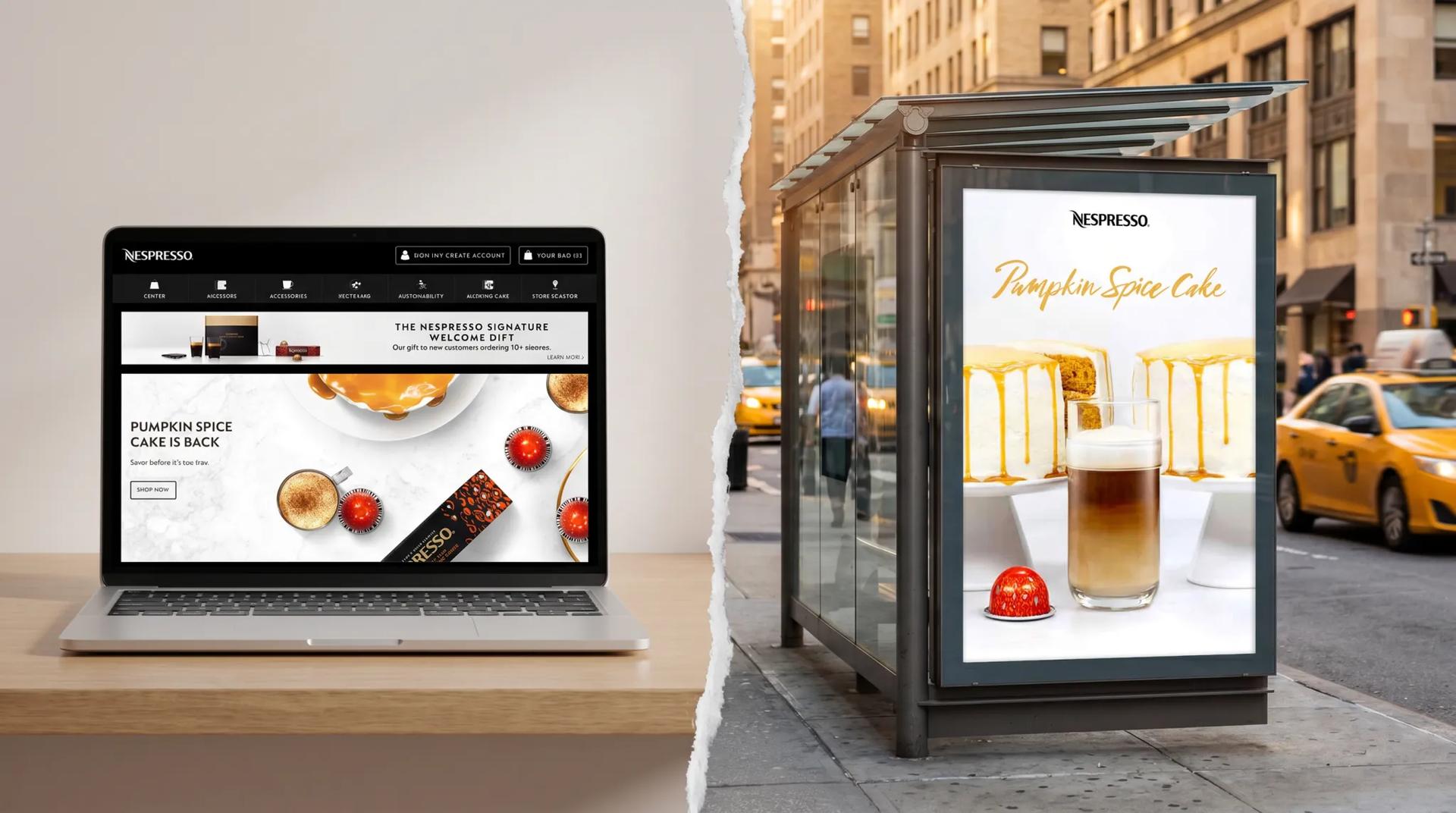
- Out-of-home (OOH). Billboards, transit ads, window displays. High visibility, high impression count.
- Packaging and labels. The image becomes part of the product itself. Often the highest commercial value short of broadcast.
- Broadcast and streaming. Television commercials, streaming pre-roll, connected TV. Top-tier usage.
A local restaurant website is one thing. A national paid campaign, packaging, or international usage is very different. The image is the same. The commercial value it generates is not.
Why Whitelisting and Partnership Ads Are a Separate Conversation
Whitelisting, where a brand runs paid ads through an influencer's or partner's social account, creates a licensing question that didn't exist ten years ago. The image now appears under someone else's identity with paid amplification. That's a different rights category than organic posting on the brand's own account.
Partnership ads, boosted posts, and creator collaborations each introduce additional parties who may need separate licenses. If four restaurant locations each run the same image as a paid ad through their own accounts, that's four usage instances, not one.
How Does the Term of a License Affect Pricing?
License duration directly scales price because it determines how long an image generates commercial value. The FTC requires clear disclosure of material connections in advertising (FTC Endorsement Guides), which means the longer an image runs in paid channels, the more compliance and value it accumulates.
Common License Terms
Most commercial food photography licenses fall into four tiers:
- Campaign term (3 to 6 months). Common for seasonal promotions, menu launches, and limited-time offers. Lowest cost for the broadest channel access.
- One year. The most common term for ongoing brand use across digital and social channels.
- Two years. Typical for larger campaigns, packaging runs, or brands that want planning stability.
- Perpetual. No expiration. Highest upfront cost but eliminates renewal logistics.
The license term should reflect how long you actually plan to use the images. Overpaying for perpetual rights on a three-month seasonal campaign wastes budget. Underpaying for a short term on images you'll use for years creates compliance risk.
When the Clock Starts and Why It Matters
Some licenses start at delivery. Others start at first publication. This distinction matters more than most people realize. If you receive images in January but don't launch the campaign until April, a "one year from delivery" license gives you only eight months of active use.
Clarify the start date in writing before signing. It's a small detail that prevents real disputes.
The Real Cost of Perpetual vs. Renewing
Perpetual licenses cost more upfront but can save money over time if you genuinely plan long-term use. Renewing annually gives more flexibility but adds administrative overhead and the risk of letting a license lapse while images are still in market.
In my experience, most food and beverage clients get the best value from one-year licenses with a renewal option. Campaigns evolve, menus change, and brand refreshes happen. Locking into perpetual rights on images that might feel dated in 18 months rarely makes financial sense. One shoot should not equal one campaign, but one license doesn't need to cover every future use either.
Why Does a Local Restaurant and a National Campaign Cost Differently?
The image is identical. The commercial value is not. This is the core principle behind tiered licensing, and it applies across every creative industry. The same logic governs music licensing, stock photography, and illustration rights.
Same Image, Different Commercial Value
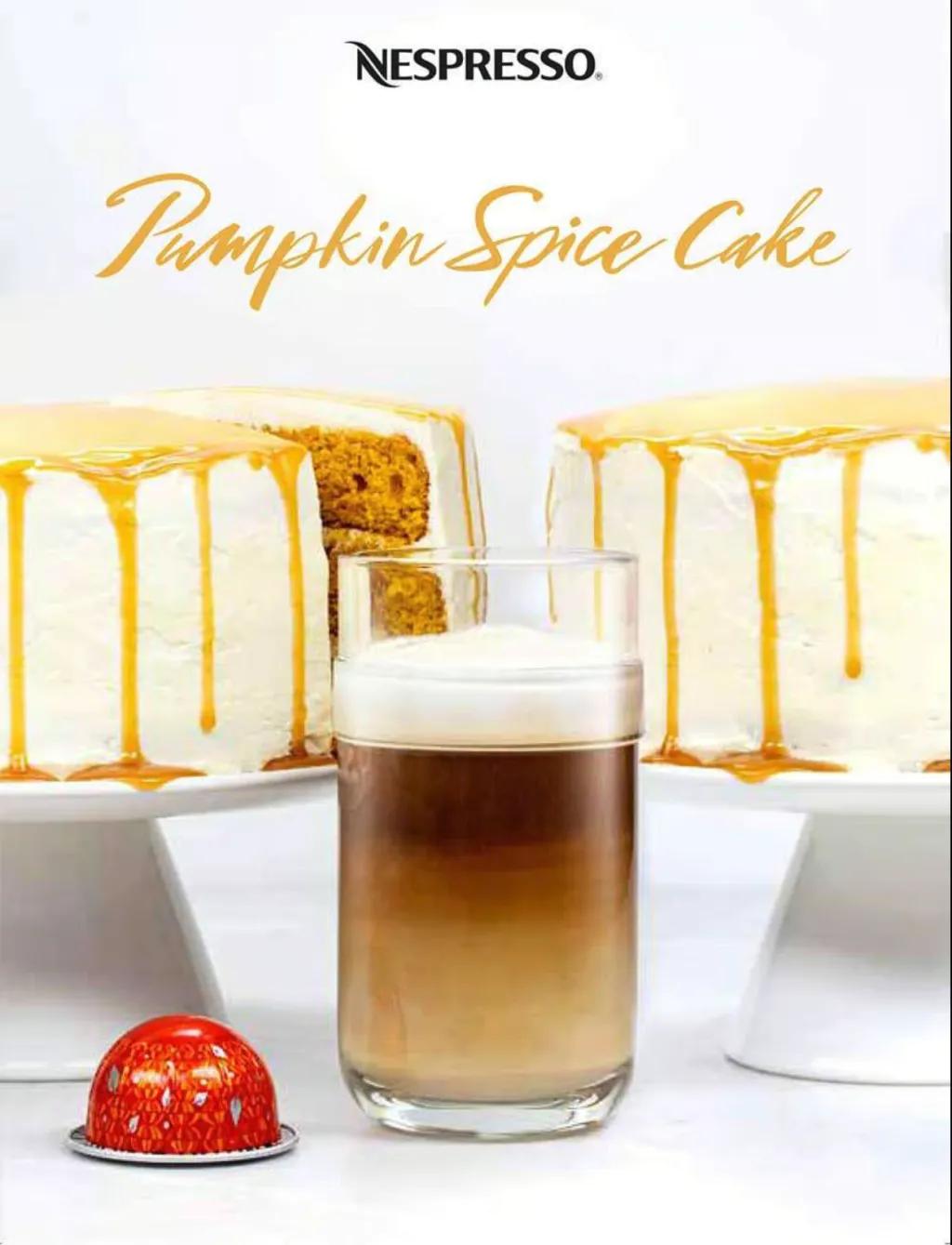
A single hero shot of a cocktail on a neighborhood bar's Instagram generates modest commercial impact. That same image on a national spirits brand's paid media campaign, running across digital, OOH, and print, reaches millions and drives significant revenue. Pricing the license identically for both would underprice one and overprice the other.
This isn't arbitrary. It's how the economics of commercial photography have worked for decades. A photographer whose images drive a national campaign deserves compensation that reflects that impact.
Pricing Is a System, Not a Line Item
Licensing should reflect business reality. When usage conversations happen early and asset planning is smarter from the start, both sides get better outcomes. The photographer can quote accurately. The brand can budget realistically. And nobody gets surprised six months later when the campaign expands.
What helps most is thinking of your photography budget as a system. Production costs cover what it takes to create the images. Licensing costs cover what those images are worth in market. Together, they form a complete picture of what a commercial food shoot actually costs.
Where Does Social Media Create Licensing Problems?
Social media is where most licensing disputes start. Posting a photograph to social media does not create a free license for third parties to reuse it, as established in AFP v. Morel. Platform terms add additional complexity that most brands don't consider when planning content distribution.
Organic vs. Paid vs. Whitelisting: Three Different Rights
Organic posting on the brand's own account is the simplest scenario and carries the lowest licensing value. Paid amplification of that same image, even on the same platform, is a separate usage category because it extends reach through paid distribution.
Whitelisting takes it further. Running a brand's creative through a third party's account for paid promotion introduces another entity into the usage chain. Each step up, from organic to paid to whitelisted, represents a broader commercial use and requires its own rights consideration.
How does this play out in practice? A restaurant posts a food photo organically. Fine, that's covered under most standard social licenses. But then the restaurant's parent company boosts that post as a paid ad across five markets. The scope just expanded significantly, and the original license may not cover it.
Platform Terms Add a Hidden Layer
Every platform requires users to grant broad content licenses as a condition of posting. TikTok's terms require a worldwide, perpetual license from users who post content (TikTok Terms of Service). Instagram requires a similar content license from the poster (Instagram Terms of Use).
These platform licenses apply to the person posting. If that person doesn't hold the right to grant such a license, meaning they don't own the copyright or have a license broad enough to sub-license, there's a legal gap. This is why ethical considerations for AI-extended imagery matter here too. AI-generated variations of licensed photographs may fall outside the original license scope entirely.
What Should a Usage Rights Clause Actually Include?
A clear license prevents disputes. Copyright registration is required before filing an infringement suit, as the Supreme Court confirmed in Fourth Estate Public Benefit Corp. v. Wall-Street.com. That means both photographers and clients benefit from precise documentation of what was agreed upon.
Six Things Every License Should Define
Every usage rights clause should address these six elements:
- Media and channels. Exactly where the images can appear. Website, social, paid digital, print, OOH, packaging, broadcast.
- Start date and duration. When the license begins and when it expires.
- Territory. Which geographic markets are covered. U.S. only, North America, worldwide.
- Exclusivity. Whether the photographer retains the right to license the same images to other clients.
- Modification rights. Whether the client can crop, retouch, composite, or run AI extensions on the images.
- Renewal terms. What happens when the license expires. Automatic renewal, renegotiation, or termination.
Missing any of these creates ambiguity, and ambiguity is where disputes grow.
The Sell-Off Period for Physical Products
For packaging, printed menus, and physical products, licenses typically include a sell-off period. This is a grace window, usually 90 to 180 days after the license expires, during which existing printed inventory can be sold or distributed.
Without a sell-off clause, a restaurant with 10,000 printed menus featuring licensed photography would technically need to destroy them all on the license expiration date. That's not practical for anyone. Include the sell-off period upfront so both sides know what to expect.
How Can You Avoid Usage Rights Disputes?
Prevention is cheaper than enforcement. Since copyright registration is required before filing an infringement suit (Fourth Estate, SCOTUS), and litigation costs can exceed the value of many food photography projects, both sides have strong incentives to get the agreement right from the start.
Have the Conversation Before the Shoot
I approach usage rights as a clarity conversation, not a confrontation. The best time to discuss licensing is during the briefing phase, before anyone picks up a camera. When usage conversations happen earlier and asset planning is smarter from the beginning, the entire project runs better.
Bring your planned media channels, estimated duration, and geographic markets to the initial conversation. This gives the photographer what they need to quote accurately and avoids the uncomfortable renegotiation that happens when scope expands after delivery. If you need guidance on structuring that initial conversation, this guide on briefing your photographer properly covers the full process.
Build a Simple Rights Tracker
A spreadsheet works. Track the image filename, licensed channels, start date, expiration date, territory, and any restrictions. Update it when you renew, expand, or retire images from active use.
This takes five minutes per project and can save thousands in accidental overuse. Most disputes don't start with bad intent. They start with someone on the brand team pulling an image into a new campaign without checking whether the license covers it.
Frequently Asked Questions
Do I own the photos after paying for a commercial food shoot?
No. Under U.S. law, the photographer owns the copyright at the moment of creation (U.S. Copyright Office, Circular 1). Paying for a shoot purchases a license to use the images under agreed terms. Full ownership transfer requires a separate written copyright assignment signed by the photographer.
What is the difference between a buyout and a license in food photography?
A license grants specific usage rights for defined channels, duration, and territory. A "buyout" can mean anything from an extended license to a full copyright transfer. Always clarify which version is being discussed, because the price difference is significant, and a true copyright transfer requires a signed written agreement.
Can I use commercial food photos on social media without additional licensing?
It depends on what your license covers. Organic posting on the brand's own account is typically included in standard social licenses. Paid amplification, whitelisting through third-party accounts, and cross-platform syndication are separate usage categories that may require expanded rights.
How long do commercial food photography licenses typically last?
Most commercial food photography licenses run for one or two years. Campaign-specific licenses may cover three to six months. Perpetual licenses eliminate renewal logistics but cost more upfront. The right term depends on how long you plan to actively use the images across your channels.
Moving Forward with Clarity
Usage rights don't need to be adversarial or confusing. They exist to match the value of creative work to its actual commercial use. When both sides understand the structure, budgets get more predictable, campaigns scale more smoothly, and working relationships last longer.
The conversations that go best are the ones that happen early. Bring your media plan, your timeline, and your geographic scope to the first call. Ask questions. Get the license terms in writing before production starts.
If you're planning a food or beverage shoot and want to structure the usage rights conversation from the beginning, book a call and we can walk through what makes sense for your specific project and budget.