TL;DR: A good brief for a food photographer answers four things clearly: what you need (deliverables and formats), where it's going (channels and usage), when you need it (a realistic timeline), and what you can spend (an honest budget). The two pieces missing from most briefs I receive are clear deliverables tied to usage, and a real budget. Include those and you get better images, faster turnaround, and far fewer surprises.
A creative brief isn't paperwork. It's the difference between a shoot that solves your problem and a shoot that produces nice pictures of the wrong thing. When a brief is clear, I can quote it accurately, plan it tightly, and shoot it efficiently. When it's vague, everyone fills the gaps with assumptions, and assumptions are where budgets blow up and deadlines slip.
After years of reading briefs from agencies, brands, and hospitality groups, I've noticed the same two gaps over and over. Most briefs are missing a clear list of deliverables tied to how the images will actually be used, and most are missing an honest budget. Fix those two things and the rest of the conversation gets dramatically easier.
This guide walks through what a strong brief actually contains, why the two common gaps cause so much friction, and how a little clarity up front turns the budget conversation from a dead end into a creative starting point.
What Makes a Strong Brief for a Food Photographer?
A strong brief gives the photographer enough to plan the whole production, not just show up and shoot. At minimum it answers four questions: what you need, where it's going, when you need it, and what you can spend. Everything else is detail that hangs off those four.
You don't need design training or production experience to write one. You need to be specific about your goals and honest about your constraints. The clearer you are, the more accurately a photographer can quote, and the more creatively they can work within whatever you've got.
Deliverables: What Are You Actually Buying?
Start with the output, not the day. How many final images do you need, in what orientations, and in what formats? A menu refresh, a website hero set, a social content library, and a paid campaign all need different things, and "some food photos" doesn't tell anyone which of those you're after.
Spell it out. Twelve dishes, each as a hero plus a supporting angle, in both vertical and horizontal crops, with negative space for text overlay on the verticals. That sentence alone tells a photographer the shot count, the styling load, the time on set, and the post-production volume. "We need photos of our menu" tells them almost nothing.
Usage: Where Will the Images Run?
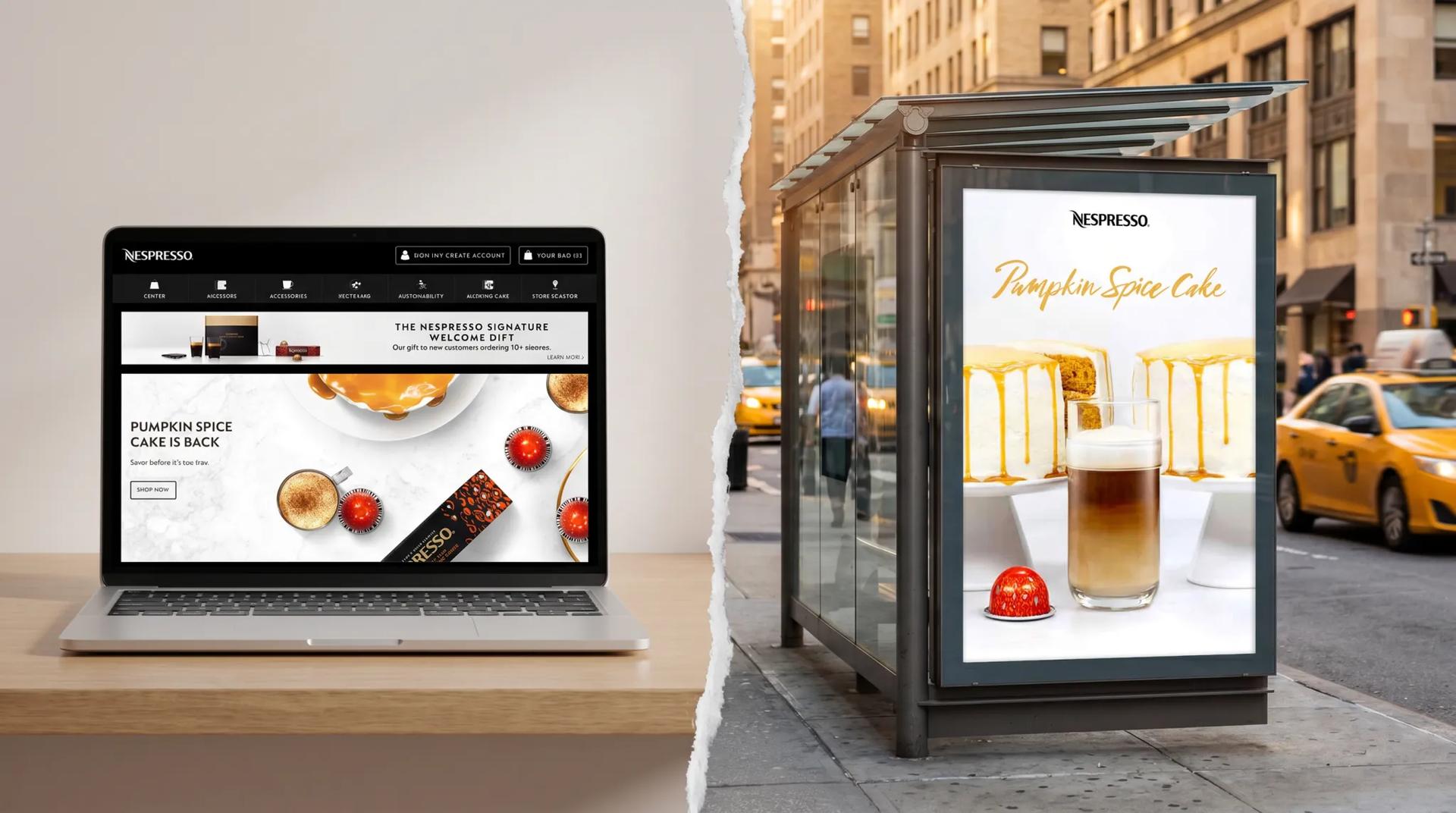
This is the piece most briefs skip, and it's the one that most affects both price and approach. Where the images live (your own website, organic social, paid media, packaging, out-of-home), for how long, and in which markets all shape what you're really buying. Usage isn't an afterthought to settle later. It determines the licensing, and licensing is often a major part of the cost.
Tell the photographer your media plan up front. If these images will run as paid ads across two countries for a year, that's a completely different scope than a set for your restaurant's own website, and pricing it accurately on day one prevents an awkward renegotiation when the campaign expands later. If you want to understand how this works in detail, see our breakdown of usage rights for commercial food photography.
Visual Direction: Show, Don't Just Tell
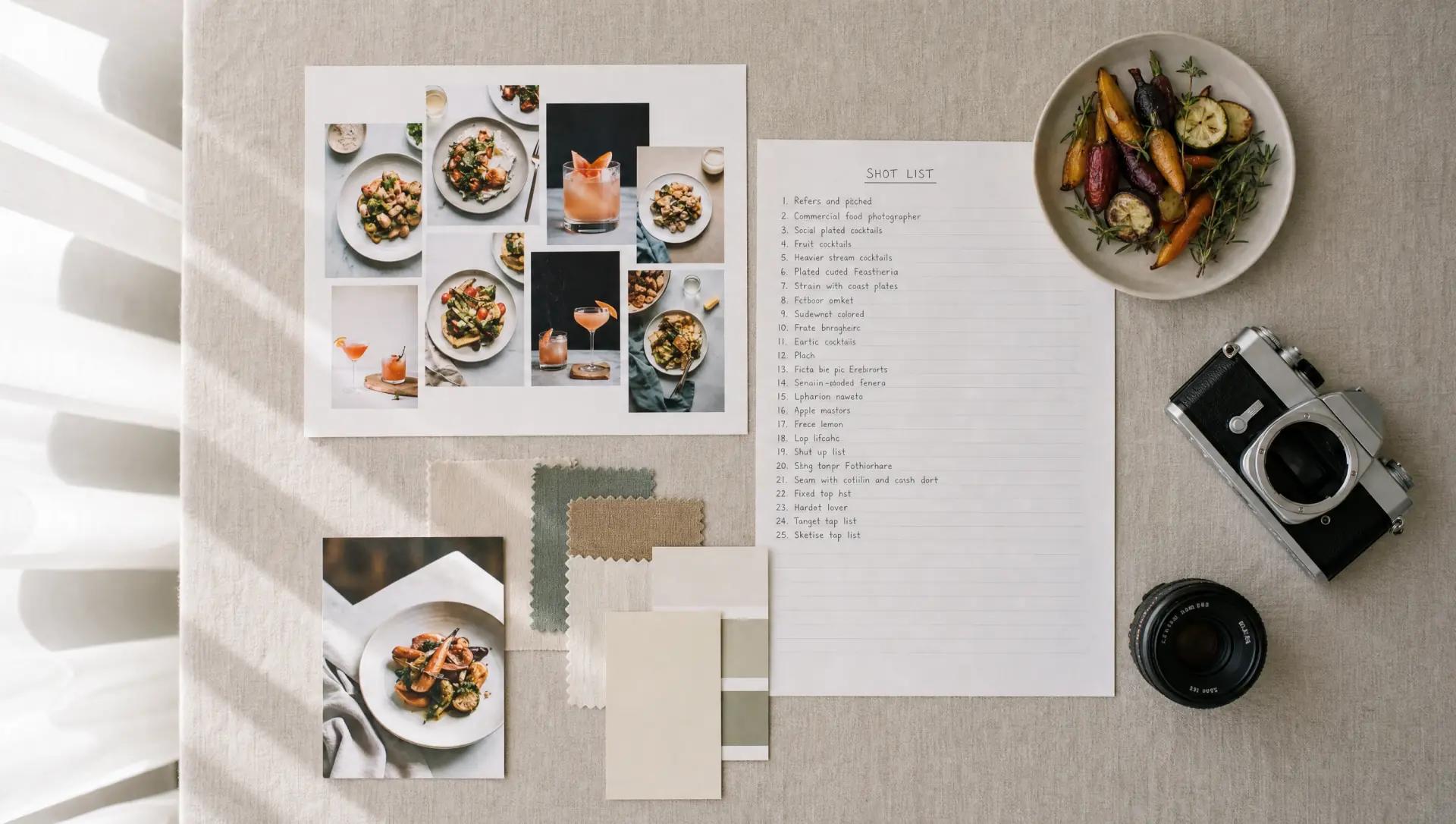
Words like "clean," "moody," "premium," and "appetizing" mean different things to different people. A handful of reference images closes that gap faster than a paragraph of adjectives. Pull examples of the look you want, and if it helps, a few examples of what you don't want. Note what specifically appeals to you in each, the light, the styling, the mood, the color, so the reference points at intent rather than just a vibe.
Be honest about whether you want your own look or a copy of someone else's. The goal of references is alignment, not imitation. They tell the photographer where your taste lives so the result feels like your brand, executed well.
Timeline and Budget: The Two Constraints That Shape Everything
A realistic timeline tells the photographer whether the scope is even possible in the window you have. Ask for forty finished assets in three days and something has to give, usually quality. And then there's budget, the constraint people most want to hide and most need to share. I'll get to why that matters in its own section, because it's the single biggest lever in the whole brief.
The Two Gaps That Cause the Most Friction
If I could fix two things about the average brief, it would be these: tie the deliverables to the usage, and tell me the real budget. Almost every painful moment on a project traces back to one of those being missing.
Gap One: Deliverables Disconnected From Usage
Plenty of briefs list a shot count. Far fewer connect that shot count to how the images will be used, and that disconnect is where scope creep is born. A brief that says "20 images" without saying where they run leaves the most important pricing variable undefined.
When deliverables and usage travel together, everything downstream gets accurate. The photographer knows how many real setups the day needs, how much post-production the formats require, and how to scope the license correctly the first time. When they're disconnected, the quote is a guess, and guesses get corrected later, usually in an uncomfortable conversation after the work is done.
Gap Two: The Hidden Budget
The most common thing missing from a brief is an honest number. Clients often hold the budget back, worried that naming it means leaving money on the table. In practice, hiding it does the opposite. It forces the photographer to scope blind, and blind scopes run high to cover the unknowns.
A real budget, even a modest one, is not a weakness in your brief. It's the most useful piece of information you can give. It's what lets a production partner tell you what's genuinely achievable and where to spend for the most impact, instead of handing you a number you can't use.
Why an Honest Budget Changes the Whole Conversation
This is the part I most want clients to understand, because I've watched it play out so many times. When the budget is clear from the very first conversation, the entire dynamic of the project changes for the better.
Without it, the conversation tends to stall on what's impossible. "We can't do this, it's too much." Everyone walks away a little frustrated, and a project that could have happened doesn't. With an honest budget on the table, the same conversation turns into problem-solving. Instead of "we can't afford that," it becomes "we're happy to do this, and here's how we make sure we do it the right way within what you've got."
That shift is everything. When I know the real constraint, I can get creative about how to deliver. Maybe we focus the shot list on a smaller set of genuinely versatile frames instead of a sprawling one. Maybe we capture supporting angles and negative space on the same day so the assets stretch across more channels. Maybe we integrate AI into the mix. Maybe we phase the work so the first shoot funds the next. None of those creative solutions are available when the budget is a secret, because I'm too busy guessing to design around your actual situation.
A clear brief and an honest budget don't limit creativity. They aim it. They turn a yes-or-no negotiation into a how-do-we-build-this collaboration, and that's the conversation that produces work both sides are proud of.
How to Write a Brief That Gets Better Results
You can put a strong brief together in a single page. Cover these and you've given a photographer almost everything they need to plan, quote, and deliver without surprises.
A Simple Brief Checklist
- Deliverables. Number of final images, orientations, formats, and any specific crops or negative-space needs.
- Usage. Channels the images will run on, duration, and geographic markets.
- Visual direction. A few reference images for the look you want, with notes on what appeals to you.
- Timeline. Key dates, including when you need final assets and any review rounds in between.
- Budget. An honest working number or range.
- Context. What the images are for, who the audience is, and what a win looks like.
Bring It to the First Conversation
The brief isn't meant to be a perfect document you hand over and disappear behind. Bring it to an early conversation and talk it through. A good photographer will ask questions that sharpen it, flag where your timeline and scope don't match, and tell you where your budget will go furthest. That conversation, early and honest, is where the best projects get shaped.
Frequently Asked Questions
What should a brief for a food photographer include?
At minimum: clear deliverables (how many images, in what formats and orientations), usage (which channels, for how long, in which markets), visual direction (a few reference images with notes), a realistic timeline, and an honest budget. Add context about the audience and the goal so the photographer understands what a win looks like.
Do I need to share my budget in the brief?
Yes, and it's one of the most useful things you can include. An honest budget lets a photographer tell you what's achievable and where to spend for the most impact, and it opens the door to creative solutions that fit your constraints. Hiding the budget forces blind scoping, which usually produces higher, less useful quotes.
How specific do my reference images need to be?
Specific enough to communicate intent. A handful of images showing the light, styling, and mood you want, with a short note on what appeals to you in each, beats a page of adjectives. References are about alignment, not imitation. They point the photographer toward your taste so the result feels like your brand.
Why does usage information belong in a creative brief?
Because usage determines both the licensing cost and the production approach. Images for paid media across multiple markets carry a different scope than images for your own website, and naming that up front lets the photographer price it accurately the first time. Leaving it out is the most common cause of scope and budget surprises later. See usage rights for commercial food photography for the full picture.
What happens if my timeline is too tight for my shot list?
Something gives, usually quality or scope. A good photographer will tell you early if the deliverables don't fit the window and help you prioritize, phase the work, or adjust the timeline. That's exactly why a brief should state the timeline clearly up front, so the mismatch surfaces before the shoot, not during it.
Briefing as the Start of the Work
A brief is the first creative act of a project, not the administrative one before it. When it's clear about deliverables, usage, timeline, and budget, it does more than help a photographer quote. It sets up a collaboration where the constraints are known and the creativity gets pointed at the right problem.
The clients who get the most from a shoot are the ones who show up with a clear brief and an honest budget, ready to talk it through. That openness is what turns "we can't" into "here's how," and "here's how" is where good work starts.
If you're planning a food or beverage shoot and want help shaping the brief before you commit, book a call and we can walk through your deliverables, your usage, and the smartest way to fit it all within your budget.