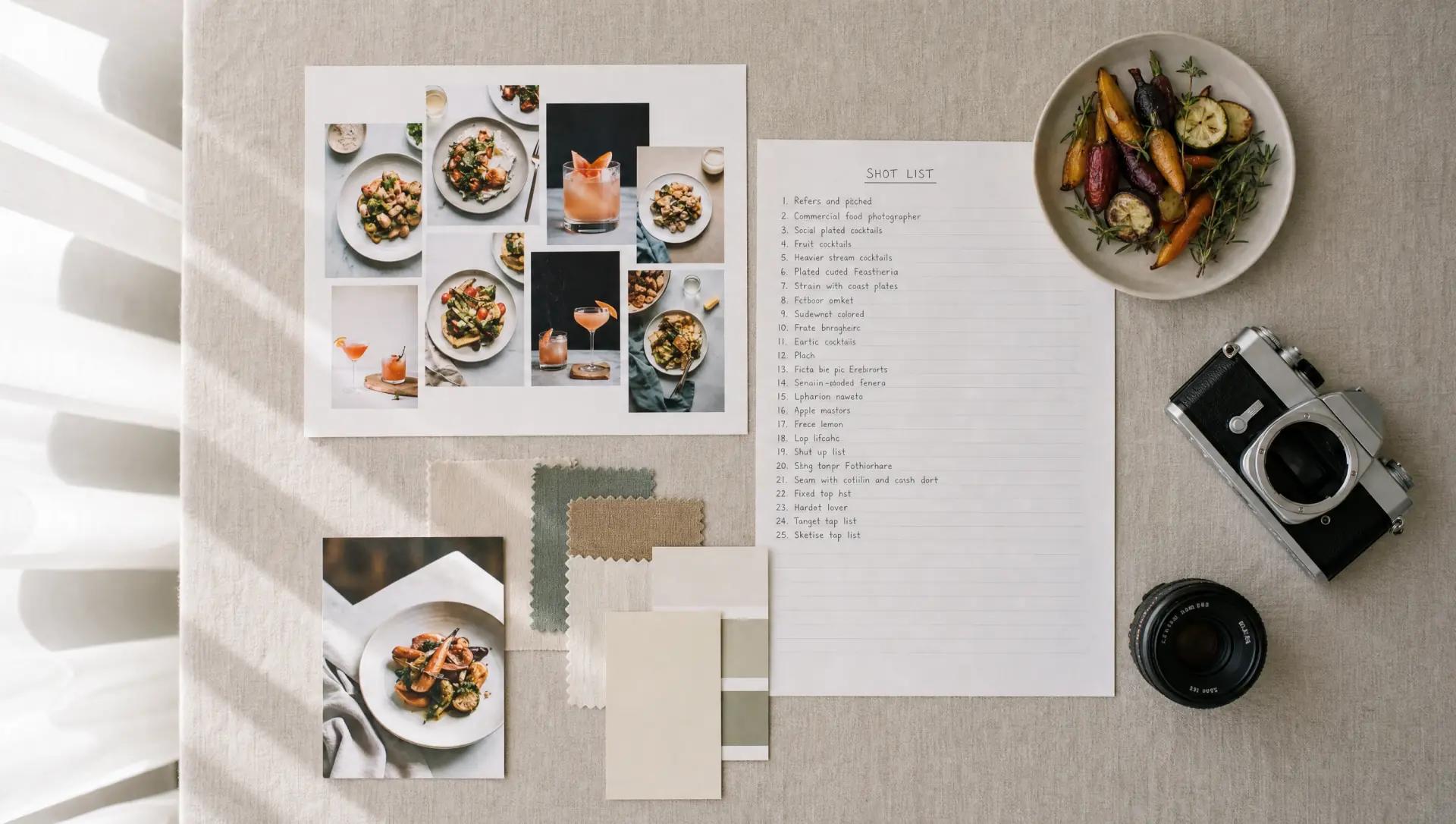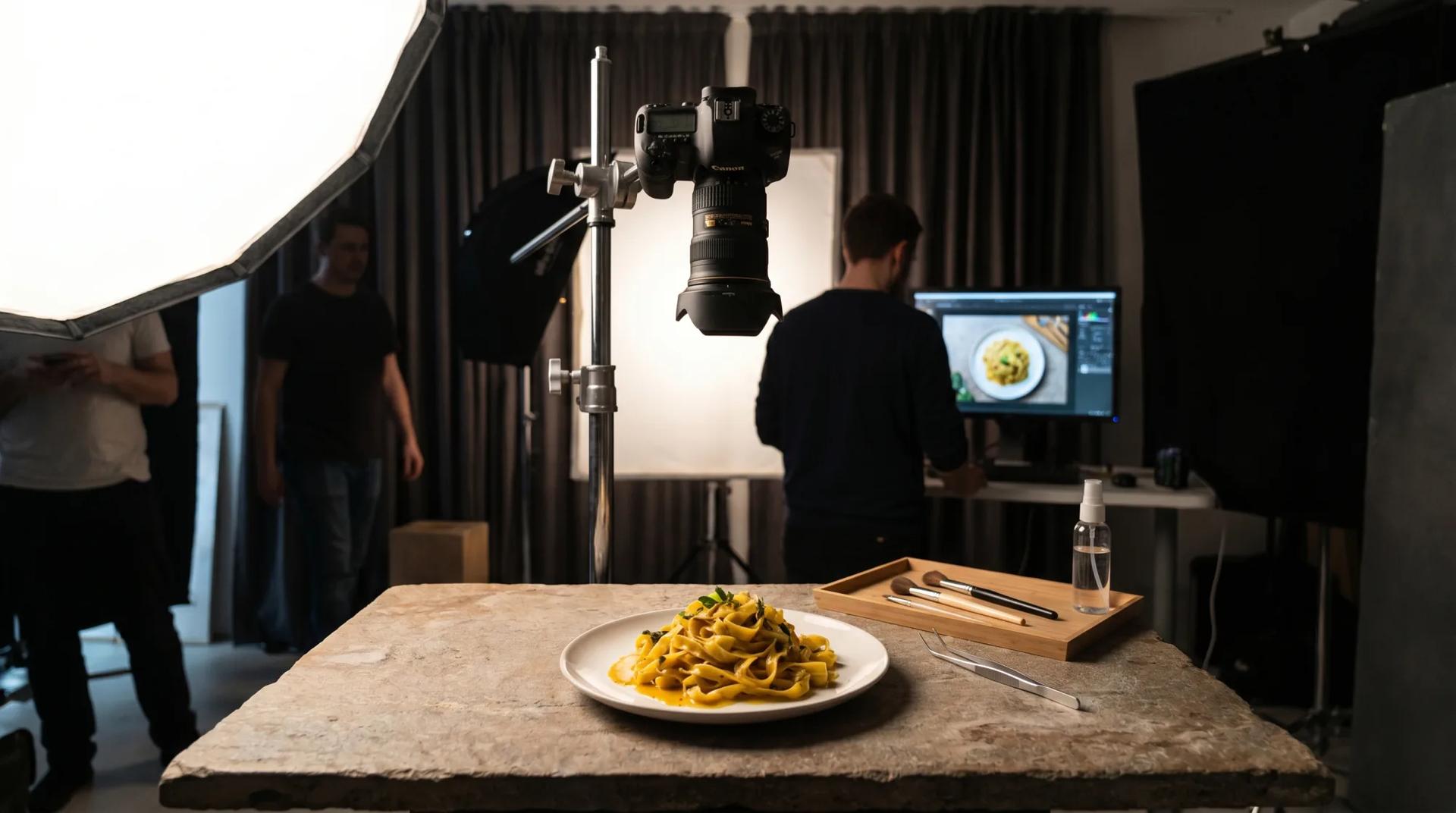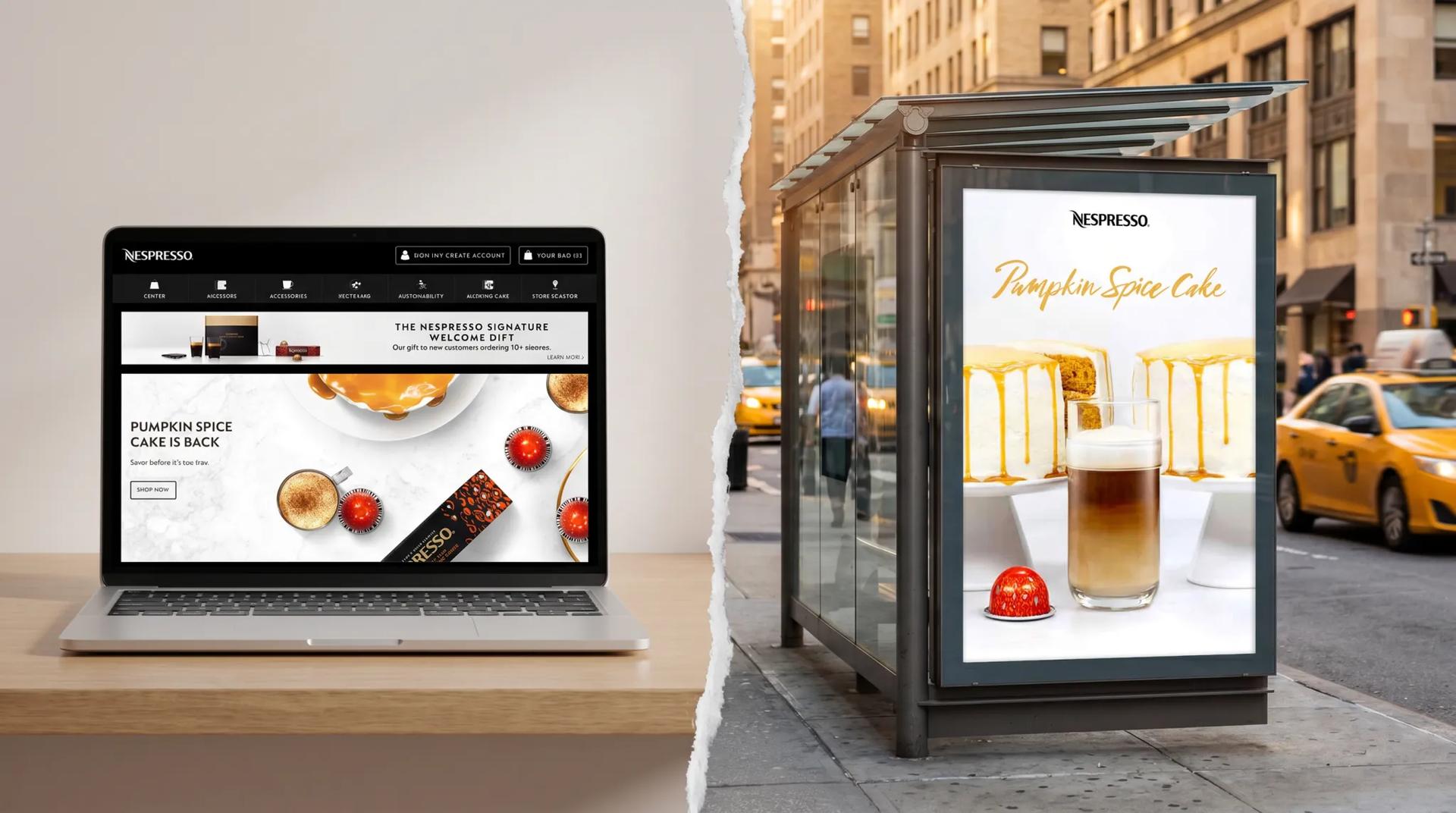
TL;DR: Hiring a food photographer for an advertising campaign is a different evaluation than hiring one for restaurant work. Look for portfolio range and control, not just a fast shot count. A restaurant day might produce 30-45 dishes. An advertising day might produce five to eight, maybe ten, fully finished heroes. That difference in pace is the clearest signal of who can carry a campaign.
When an agency producer or brand manager starts looking for a food photographer, the instinct is to search for the prettiest portfolio. That is not wrong, but it is incomplete. A portfolio full of beautiful restaurant images does not tell you whether that photographer can hold a room full of stakeholders, defend a lighting decision to a client on a monitor, or deliver a hero image that survives ten rounds of approval.
Advertising work asks for a different set of muscles than editorial or restaurant photography. It is slower, more controlled, and built around sign-off, not spontaneity. Hiring well means knowing what to actually look for, what a real estimate conversation contains, and which parts of a brief tell you the project will go smoothly before you ever book a date.
This guide walks through that process from the producer's side. What to evaluate in a portfolio, what surprises first-time advertising clients in an estimate, the red and green flags in a brief, why kill fees exist, and how the right photographer builds a crew for a national campaign.
What actually separates ad-capable work from restaurant work in a portfolio
The clearest signal in a portfolio is not the prettiest single image. It is whether the photographer can slow down and build a fully controlled hero, not just move fast. That distinction shows up the moment you look at pace instead of polish.
Restaurant work is about volume. A strong restaurant day might mean shooting 30-45 dishes, plus multiple portraits and environmental shots, all in a single day. Advertising work runs the opposite direction. A national ad shoot might only produce five to eight, maybe ten, fully finished images in that same day. Fewer images, far more control on each one.
That is what an agency producer should actually be looking for in a portfolio: diversity of work and proficiency of lighting and composition across different clients, not one repeated look. A photographer whose style shifts to fit each brand, rather than applying the same formula everywhere, is showing you they can build something specific to your campaign instead of forcing your brand into their template. The food photography portfolio shows that range across restaurants, CPG, and advertising.
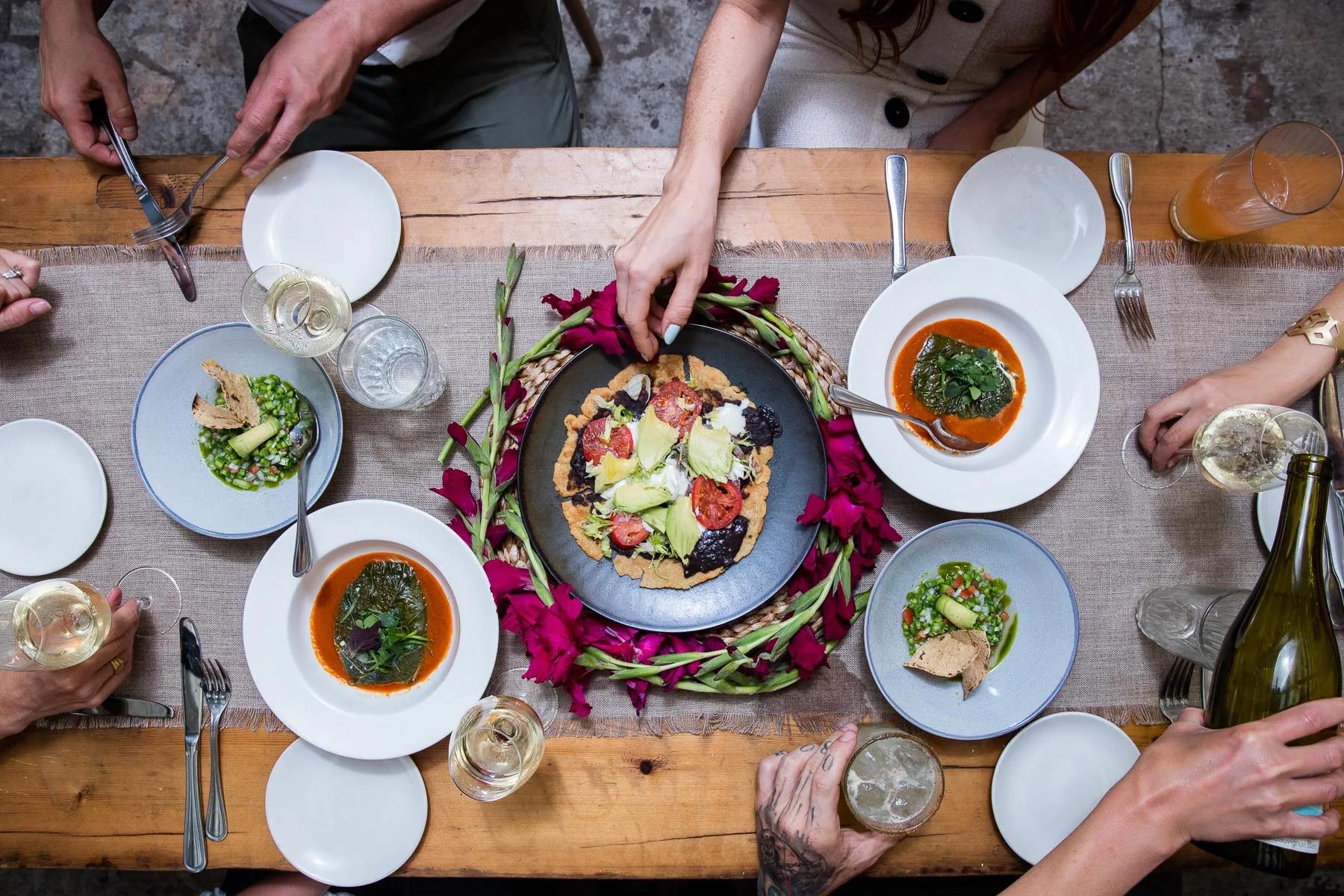
If you want the full picture of what makes a brief strong enough to support that kind of work, our guide to briefing a food photographer covers the deliverables, usage, and reference material that sets a shoot like this up correctly from day one.
What to expect in a real advertising estimate conversation
The line item that surprises almost every first-time advertising client is the usage fee. It is rarely the shoot day itself that raises eyebrows. It is the realization that the fee for using the images, on which channels, for how long, is a separate and often substantial part of the number.
That surprise usually comes from a simple gap in expectations. Restaurant and social work often comes with loose or informal usage. Advertising does not. When a brand is paying to run images on paid media, packaging, or out-of-home, the license has to reflect the actual reach of that placement, and that reach is what usage rights are pricing. For the full breakdown of how that licensing works, see our guide to usage rights for commercial food photography.
The other thing that shifts the number is production style itself. A tabletop hero shot lit in a studio is a different production, with different crew and time, than a lifestyle scene shot on location with talent. Understanding which style of production your campaign actually needs, before the estimate arrives, is what keeps the number from feeling like a surprise. Our breakdown of the real cost of a commercial food shoot walks through the full stack behind that number.
Red flags and green flags in a brief or RFP
A vague or thin brief is not automatically a red flag. In practice, the brief a client hands over is a good indicator of how much follow-up or education that client may need on the front end, not a sign the project will fail. The right response to a loose brief is more questions and more production planning up front, not walking away.
What actually separates a smooth project from a rocky one is whether that follow-up happens before the shoot date instead of on it. A green flag is a client willing to sit through a real pre-production conversation and answer specific questions about deliverables, usage, and references. A harder project is one where those gaps only surface once the crew is already on set and the clock is running.
- A real deliverable count. How many finished heroes you need, not just how many dishes exist on the menu.
- Where the images will run. Paid media, packaging, out-of-home, and for how long, so usage can be scoped accurately.
- Who signs off. How many people will be watching the monitor and approving selects on shoot day.
- A willingness to answer more questions. A thin brief is fine if there is time before the shoot to fill it in together.
Why kill fees exist, and what they actually protect
Kill fees exist to protect against lost production money, not to punish a client for changing plans. If a shoot is cancelled inside a short window, typically 48 hours out, the client still owes something, because the photographer has already spent real money on production by that point: crew booked, food and props purchased, studio time reserved.
That protection matters to a producer for a practical reason. A photographer who has clear kill fee and reshoot terms in place, and who has rarely if ever had to enforce reshoot terms, is telling you something about how their productions actually run. Clear terms up front are what let both sides move fast on a national timeline without renegotiating the basics mid-project.
How a trusted crew gets built for a national campaign
On a national ad shoot, the crew is not assembled from scratch every time. A working commercial photographer pulls from a trusted group of people they have worked with repeatedly, where professionalism is the baseline, not the exception. If the client trusts the photographer, they can trust that crew choice by extension.
That trust also means knowing when to bring in a specialist instead of a generalist. There are moments that call for a dedicated food stylist or a specific director of photography rather than someone who does a bit of everything. That decision, specialist versus generalist, is about putting the best person on the specific job in front of them, not defaulting to whoever is available.
What ad-capable production actually looks like
The clearest way to see this in practice is a real campaign. On a Pepsi and PepsiCo concessions campaign across a northeast NFL region, a shoot at MetLife Stadium delivered nine final assets, four macro top-down hero product images plus supporting deliverables, and the resulting visual system and lighting approach was handed to local photographers at nine additional stadiums to replicate. One shoot produced a visual system that scaled to nine stadiums without a single reshoot.
The hardest part of that project was not the photography. It was bridging the gap between catering staff trained for volume service and the commercial photography standard the campaign required. That got solved with a dedicated pre-production call with the catering lead before shoot day, aligning on what was needed and that timing would run nothing like a normal service request. That is the kind of planning a portfolio alone will not show you, and it is exactly what an estimate and pre-production conversation should surface before the day arrives.
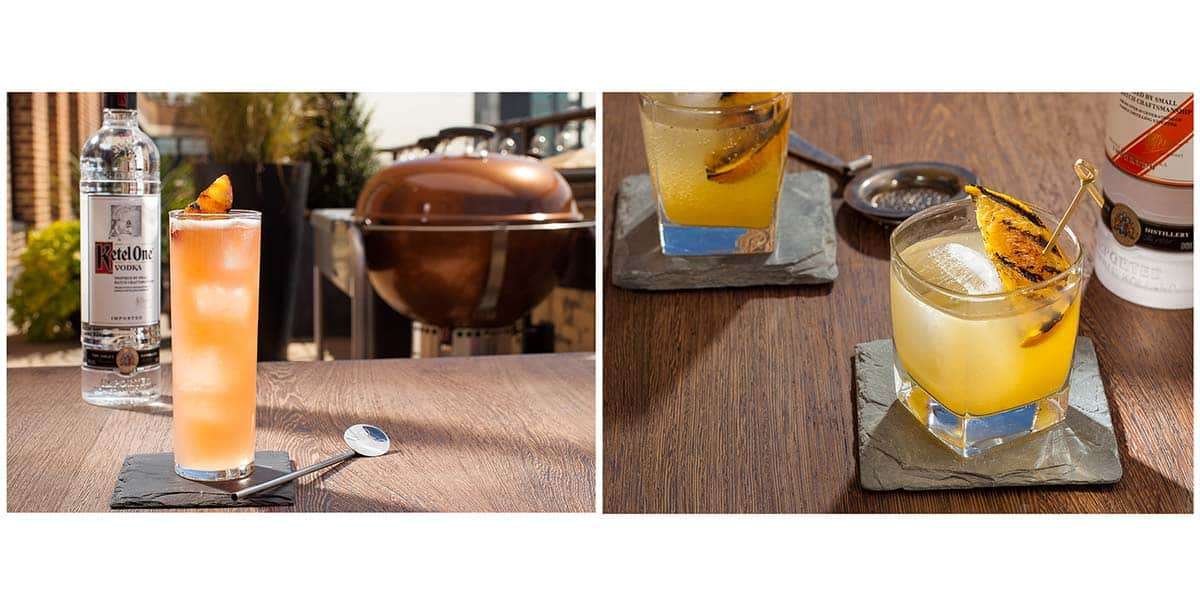
A Ketel One and Chandon summer campaign is the same lesson from a different angle. That shoot delivered hero stills of each brand individually and together, two cinemagraphs, and a full stop-motion recipe video, all running across banner ads, social ads, website, blog posts, and print. One shoot delivered four distinct asset types running across every major channel the campaign needed. That range, one production covering that many formats, is what an advertising-capable photographer is actually being hired to plan for.
Hiring well starts with the brief
The producers who get the best results are the ones who treat hiring as a planning conversation, not a portfolio scroll. Look at range and control instead of raw output. Expect usage to be a real line item, not an afterthought. Bring a brief that is honest even where it is incomplete, and be ready to answer the follow-up questions that make it complete.
If you are staffing an advertising campaign and want to talk through the brief, the estimate, or the production plan before you commit, book a call and we can walk through what your specific campaign actually needs.
Frequently Asked Questions
What should I actually look for in a food photographer's portfolio for advertising work?
Look for range and control, not just volume. A photographer who can slow down and build five to eight, maybe ten, fully finished hero images in a day, with a style that shifts to fit each brand rather than repeating one formula, is showing you they can carry an advertising campaign, not just a fast restaurant shoot.
Why does the usage fee surprise so many first-time advertising clients?
Because restaurant and social work often carries loose or informal usage, while advertising usage has to reflect the actual reach of where the images run: paid media, packaging, or out-of-home, and for how long. That fee is a separate, often substantial part of the estimate, and it is easiest to plan for once you understand it is coming.
Is a vague or thin brief a red flag when hiring a photographer?
Not automatically. A thin brief usually just means more questions and more pre-production planning are needed before the shoot, not that the project is doomed. The real signal is whether a client is willing to work through those questions before the shoot date rather than during it.
Why do commercial photographers charge a kill fee?
A kill fee protects against production costs already spent when a shoot is cancelled close to the date, typically inside 48 hours, including crew, food, props, and studio time already booked. Clear kill fee and reshoot terms up front are what let a national campaign move fast without renegotiating the basics mid-project.