TL;DR: Culinary photography is decided by four things working together: how the light is behaving in the room, which second of a changing dish gets kept, whether the styling can survive the kitchen it came from, and whether the finished frame does the job a specific brand needs. That last test is different from whether the image looks good on its own.
Light Is What Decides Culinary Photography First
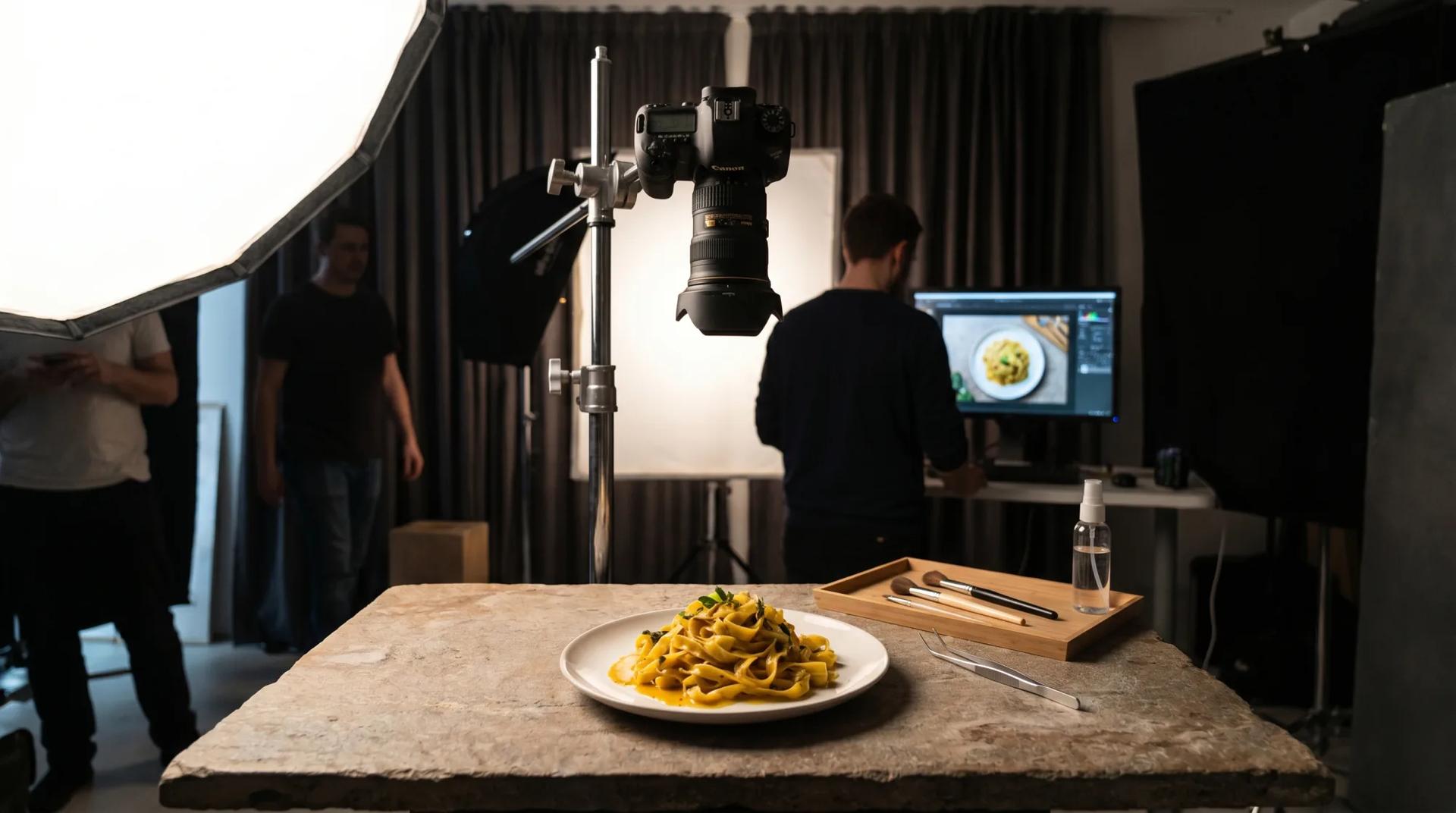
Before angle, before styling, before anything else gets decided, a photographer reads how light is behaving in the room: where it comes from, how it falls across the scene, what it does to texture, reflection, color, and shape. If the light gives a workable direction, everything else on the shoot builds from that direction. If it does not, the setup gets rebuilt before a single frame goes near a plate.
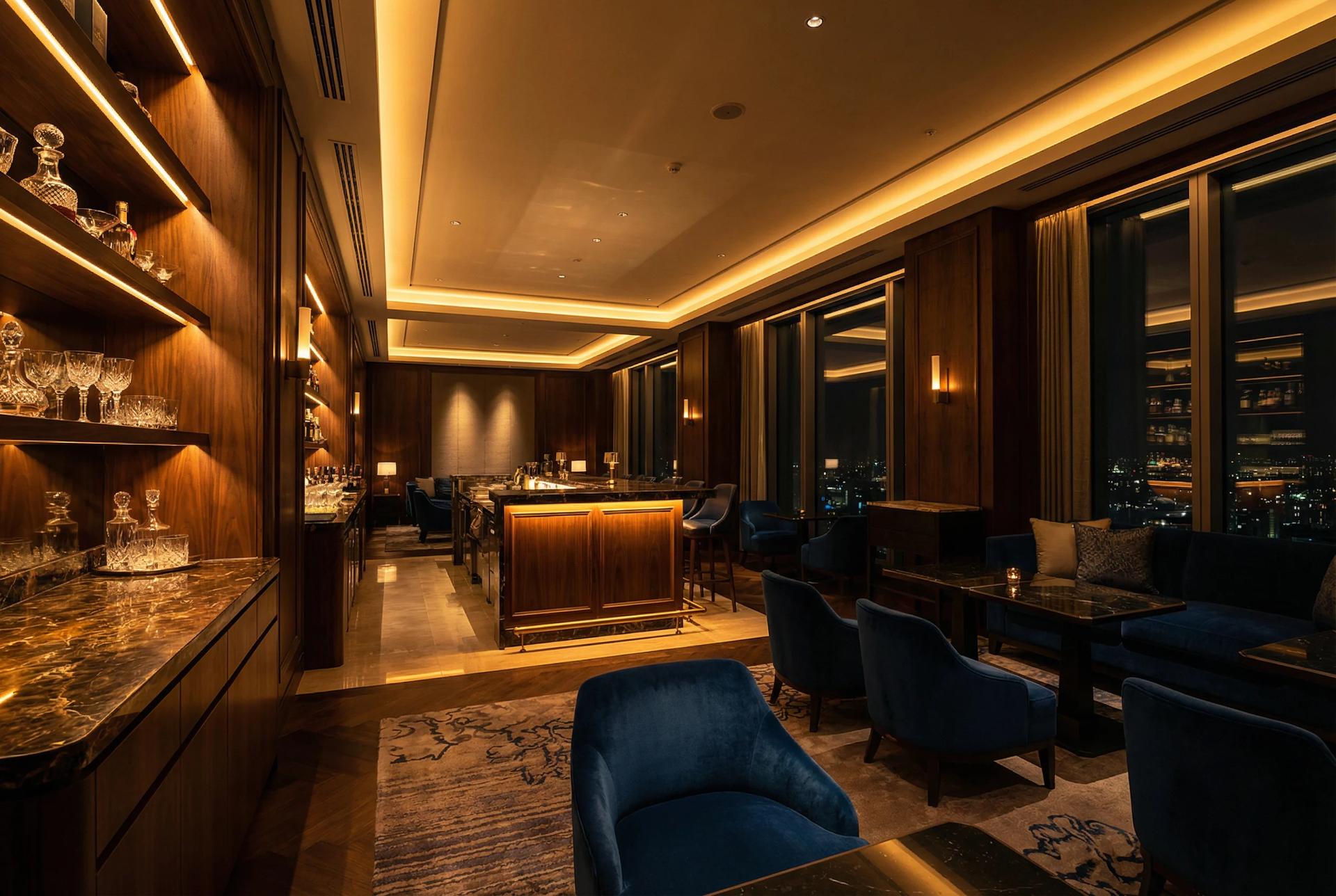
That reading has to serve two things pulling in different directions at once. A room needs depth, warmth, and a sense of place, the feeling of somewhere real. Food needs enough control for texture to read: steam, gloss, crispness, condensation, crumb, char, the details that separate an appetizing plate from a flat one. The two are not lit as separate problems. The room has to support the food and the food has to belong to the room, or the photograph reads as two mismatched pictures stitched into one frame. For a look at how that balance holds across a full property rather than one plate, see how a photographer lights a hotel restaurant and bar differently.

A Photograph Is a Decision About Which Second to Keep
A plated dish is not a stable subject sitting still for a camera. Steam thins, gloss flattens, crispness softens, condensation shifts, and a char mark that reads one way at first plate reads differently a minute later. A culinary photograph is not a record of a dish. It is a decision about which second of a moving thing gets kept.
Drinks carry the same pressure on a faster, more countable clock. In my own cocktail work, I stage the full relight first, then shake and swap in the drink only once the light is set, because from that point I have about five minutes to find the angle and capture every variation before the ice and the condensation are gone. Food does not run on a fixed number of minutes the way that cocktail does, but the underlying problem matches: the subject is changing in real time, and the photograph is a choice about the moment to freeze before it moves past its best point.
Styling Has to Survive the Kitchen It Came From
A kitchen at a high pace cannot polish every plate to hero standard during live service. There is no time to make a dish perfect while orders are moving, so production splits into two modes: hero stills shot with full control before service starts, and lighter, faster coverage once the kitchen is live. What gets captured during service is different by design, lifestyle moments with real guests in the room, not a stand-in for the hero shot.
On one refresh done for a Michelin-starred restaurant in Midtown East and a bistro in the Wall Street area, hero beauty stills of dishes and cocktails came first, shot with full strobe control, then portraits and talent work, all before kitchen prep for the night began. Once service started, the crew pivoted to a lighter handheld setup, working from a private dining room or a corner table clear of guest flow, with any shot involving occupied tables cleared first. One day on-site produced a library that still runs across menus, the website, social, and press.

The pace difference is real, and it is one I plan every job around. A restaurant day in my own shooting can produce 30 different dishes, several portraits, and environmental shots start to finish, where an advertising day out of the same kitchen might land me five to eight finished images, sometimes ten, which is part of what a professional food shoot actually costs to plan around properly. Styling built for a table with time to perfect every plate does not survive that pace. Styling built for the kitchen it came from does.
A Photogenic Frame and a Usable Frame Are Not the Same Test
What a trained eye catches in a bad food photograph is rarely dramatic. It shows up as flatness: the lighting slightly off, the color slightly off, the angle wrong for that particular plate, because every dish sits differently and reading those differences is what training is. None of that has anything to do with how expensive the image looks.
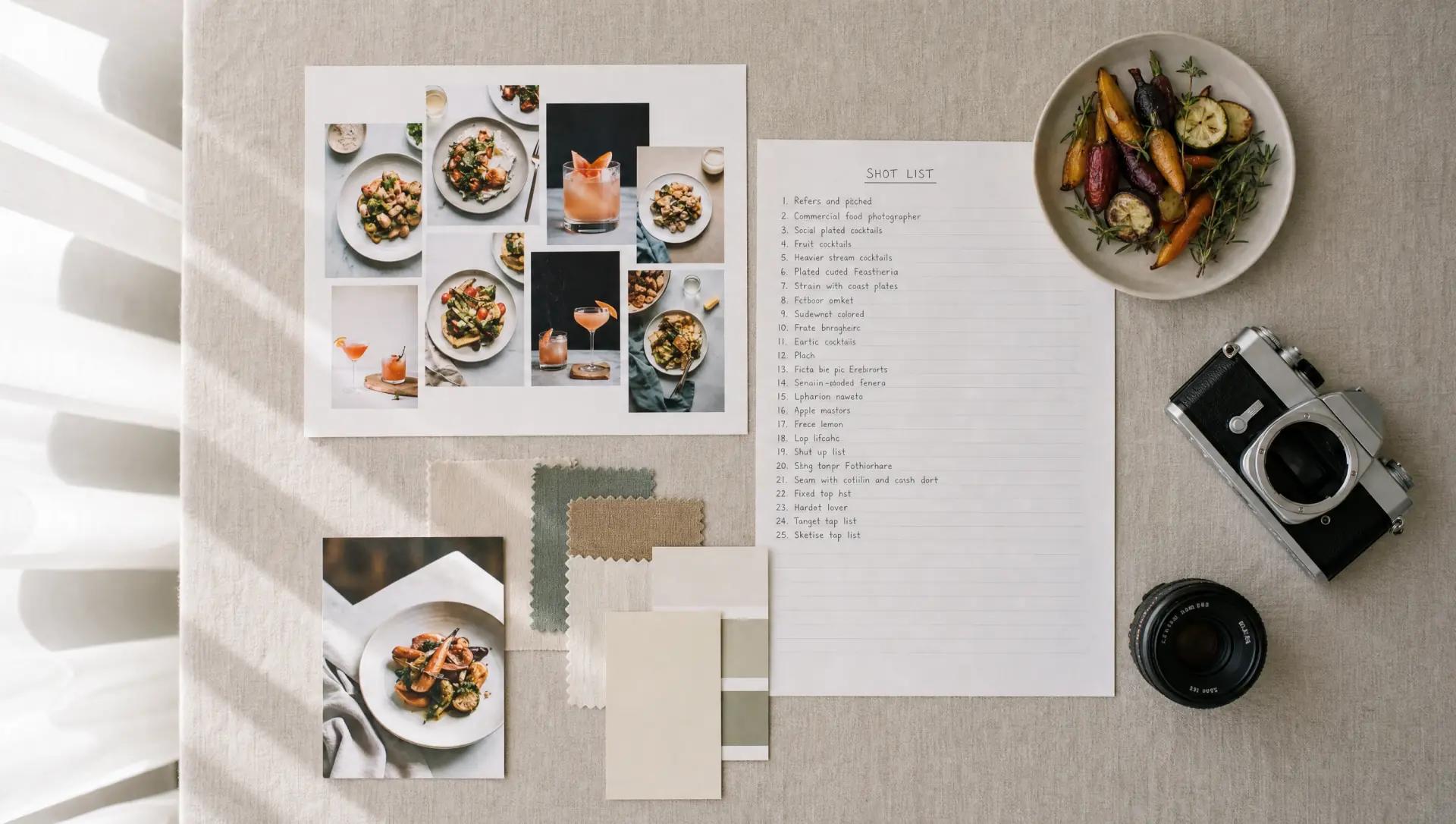
Expensive describes one brand aesthetic among several, and it only works when that aesthetic fits the brand in front of the camera. A photograph does not need to look expensive to work, and an expensive-looking photograph can still fail. The real measure is whether the image does the job that specific brand and audience need it to do. Briefing a food photographer well is what decides which job that is before the camera comes out. A photogenic frame and a frame a brand can use are two different tests, and a shoot that only optimizes for the first one is solving the wrong problem.
Start With the Job the Photograph Has to Do
On a real shoot, I am making all of these calls at once, inside a single service window, on the clock the food and the kitchen both set. Skip one and it shows up in the final frame.
If there is a shoot coming up with a real kitchen, a real service window, and a specific brand job the images have to do, book a call and walk through what the day needs to produce.
Frequently Asked Questions
What actually makes a food photograph look professional instead of like a phone snapshot?
The gap is usually flatness rather than any single obvious mistake: lighting that is slightly off, color that is slightly off, or an angle that does not suit that particular plate. Every dish sits differently, so there is no single formula. Recognizing which combination is wrong for a specific plate, and correcting it before the shutter fires, is what training and a practiced eye provide.
How long does a plated dish stay camera-ready once it is out of the kitchen?
There is no fixed number for food, unlike the count some generic advice suggests. Steam, gloss, crispness, condensation, crumb, and char all shift by the minute. Drinks show the same pressure on a tighter clock: in my own cocktail work, ice and condensation give me about five minutes to find the angle and capture every variation before it is gone. That is why professional shoots separate the fully controlled hero shot from the faster coverage grabbed once service is moving.
Can food be styled for a photograph without misrepresenting what a guest is actually served?
Yes, and the split most working kitchens use protects that honesty rather than working around it. Hero stills are shot before service, with full control and enough time to plate properly, which is styling, not misrepresentation, since the dish is not altered from what the kitchen serves. What gets captured once service starts is different: lifestyle images of real plates with real guests in the room, shot lighter and faster, closer to what a guest at the table sees.
What is the difference between a food photo that looks good and one a brand can actually use?
The difference is not measured by how expensive the image looks. Expensive describes one brand aesthetic among several, and it only works when that aesthetic fits the brand in front of the camera. A photograph does not need to look expensive to work, and an expensive-looking photograph can still fail. The only real measure is whether the image performs the specific job that brand and its audience need it to do, not how it reads in isolation.