TL;DR: A food photography deliverables checklist covers more than a final image count. It defines shot types, file formats, retouching scope, licensing terms, and file organization so your brand team can find the right asset a year from now. Ask these questions before the shoot, not after.
The Food Photography Deliverables Checklist Starts Before the Shoot
Most brand teams wait until delivery day to think about what they are actually receiving. By then, the shoot is over, the set is struck, and any angle that was not captured cannot be recaptured without rebooking.
Cloudinary, citing McKinsey, puts the cost of that gap plainly: 83% of employees recreate assets they cannot locate, and the average person spends 1.8 hours every day, roughly 9.3 hours a week, just searching for files. In a production context, that means rebuilt shoot budgets, refiled requests, and a brand team doing the same creative work twice.

The checklist below gives brand-side buyers the questions to ask before the shoot, organized into the categories that define a deliverable set.
What Shot Types Build an Asset Library
The first version of this conversation usually sounds like: "How many photos do we get?" That is the wrong starting point.
For a restaurant or hospitality client, the real conversation is about what to shoot, not how many shots to take. Covering everything the brand needs across formats and channels means the count takes care of itself. For an advertising client, the economics shift: usage is charged per image, so every shot in the deliverable set carries a purpose.
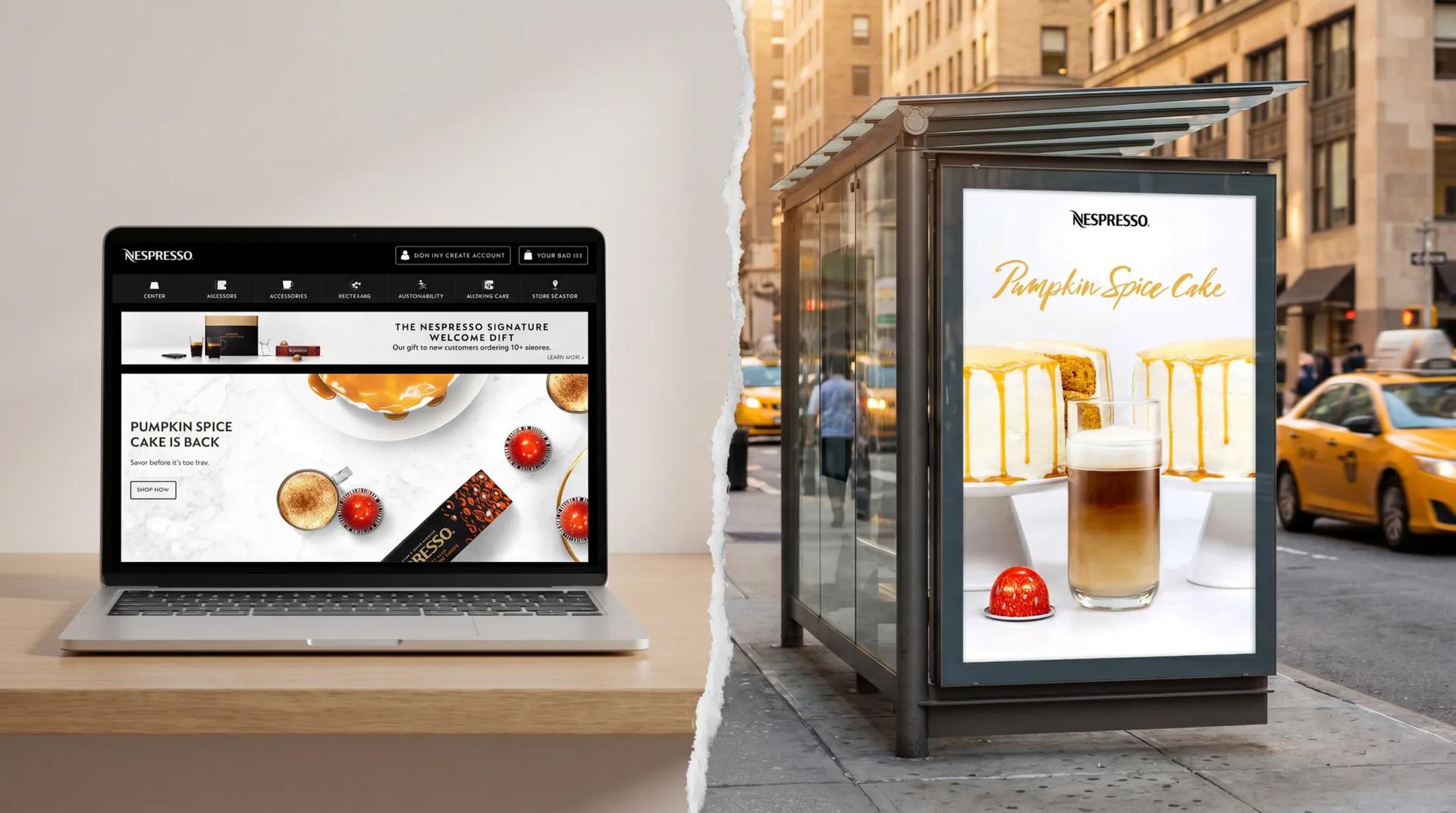
A well-structured set includes hero frames (the primary, finished shot for each subject), supporting angles (context, detail, and lifestyle framing), negative space versions (compositions with open area for text overlays and paid social ad copy), and format variants. A single subject captured horizontally for a web hero, vertically for paid social, and square for Instagram at the brief stage, not in post, is a format map. A shot list that names specific dishes and calls out angle variations per subject is a deliverable brief. A shot list that says "food photos" is not.
File Formats and Technical Specs Worth Asking About
Standard deliverable formats include retouched JPEG finals at full resolution, TIFFs for archival or high-end print use when the campaign requires them, and PNGs or WebP with transparent backgrounds for product cutouts.
Web-optimized JPEGs are often the format clients most need and least ask for. Sized for site performance, they are straightforward to produce on the photography side and difficult for clients to do well themselves. Putting a full-resolution file on a website creates bloated page loads. Ask for it upfront.
RAW files are a regular request that almost always leads to misaligned expectations. Clients hire a photographer for their finished, processed style. Handing over raws is the equivalent of asking a painter to deliver the paint. Most clients who ask for raws actually need a high-resolution TIFF. Ask what the file will be used for, then ask for the format that fits that use. Brent backs up all files, so clients can request assets from past shoots when a new need surfaces.
Color profile matters for cross-format campaigns: sRGB for screen, Adobe RGB for print. If the campaign spans both, ask for both.
Retouching Scope: What Is Included and What Is Not
"Edited" is not a defined term in a photography contract. Standard retouching covers color grading, exposure correction, crop, and minor cleanup. What it does not cover: object removal, background replacement, composite work, extensive surface retouching, or color change-outs across multiple SKUs. Those are billed separately.
Revision rounds are finite. Defining how many rounds are included upfront, and making clear that additional rounds are billed per hour, prevents the most common production dispute. Who approves at each stage matters too: internal sign-off before retouching begins saves a round.

The retouching scope conversation is where most production disputes happen, not over creative quality but over what "finished" means. Ask before the shoot: "What counts as a revision, and how many are included?"
Licensing in Plain Language for Brand Buyers
This is the question brand teams most often skip, and it has the largest downstream cost.
Under the ASMP standard commercial photography license, the default is one year duration, U.S. use only, non-exclusive, all other rights reserved by the photographer. Most campaigns need more than the default, and the difference is determined before the shoot.
The variables that change a license are channel (print and web versus paid advertising, broadcast, or out-of-home), territory (U.S. versus global or region-specific), duration (one year versus multi-year versus perpetual), and exclusivity (whether a competitor can license the same image). Paid advertising, broadcast, and international use are typically outside the standard license and require a separate agreement.
For how commercial photography licensing works end to end, read how commercial photography licensing actually works.
Ask before the shoot: "Which channels, which markets, and how long?" The answer changes the license. Get it in the scope document.
File Naming, Folder Structure, and the Archive Question
A delivery is not done when files arrive. It is done when a brand team can find a specific asset a year later without asking the photographer.
A structured delivery uses reverse-date naming, year then month then day, so files sort chronologically. Assets are organized by type first, with all size variants for a given asset in the same folder. File names include the asset name or location and the image dimensions. A brand team working from that structure can find the right file without guessing.
Cloudinary reports that organizations with structured asset systems cut duplicate asset creation by 30-50% and shortened campaign launch cycles by 26%. Those numbers describe what happens when a team knows where the files are and does not have to rebuild work that already exists.
A professional shoot should produce a reusable asset library, not a single folder of JPEGs. For a closer look at how one shoot can produce assets across every format, the production approach that makes that possible is explained there. For a full breakdown of what a production budget actually covers, the full cost of a commercial food shoot runs through every line item.
Ready to Build Your Asset Library?
The deliverables conversation is a design conversation. What the shoot produces, how files are named, which formats are covered, and how long the license runs are all decided before the shoot, not after. A brand that arrives with a format map and a channel list leaves with an asset library. A brand that arrives asking "how many photos do we get" gets photos.
Brent Herrig Creative is a culinary motion production company based in New York and London. If you want a shoot structured around how you actually use images across campaigns, platforms, and time, book a call to start the conversation.
Frequently Asked Questions
Do photographers deliver RAW files as part of the standard package?
Most professional photographers do not include RAW files in a standard deliverable. Clients hire a photographer for their finished, processed style, and RAW files do not represent that. If you need a high-resolution file for archival or large-format print use, ask for a TIFF instead. Brent backs up all files and can provide specific assets from past shoots when a new need surfaces.
What does standard retouching actually include?
Standard retouching covers color grading, exposure correction, cropping, and minor cleanup for each delivered image. Object removal, background replacement, composite work, and multi-SKU color change-outs are not included and are billed separately. The number of revision rounds included is defined in the scope document before the shoot begins, and additional rounds are billed per hour.
How do licensing terms affect what a brand can do with the images?
A standard commercial photography license covers a defined channel, territory, and duration. Using images in paid advertising, broadcast, or internationally typically requires a license beyond the ASMP default. The channels, markets, and usage window your campaign needs should be agreed before the shoot and written into the scope document. Changes after delivery usually cost more.
How should files be organized after delivery?
A reverse-date naming convention, year then month then day, keeps files sortable by shoot date. Organizing by asset type, with all size variants for each asset in one folder, makes files findable without a search. If your photographer uses a different system, ask them to document it at delivery so your team has the logic, not just the files.