TL;DR: Hybrid production starts with a normal shoot list, then adds one more question at every setup: what will the AI extension phase need later? On a real shoot day that means extra angles and clean product detail passes, banked while the crew and the light are already there, not requested after the fact. The photographer still makes every decision. AI only extends what was captured, and the client signs off on selects before anyone leaves set.
Most people picture hybrid production as a layer added after the shoot, once the real photography is done. That is backwards. The decisions that make AI extension work happen at the shot list stage, before anyone opens a laptop.
The pressure behind that shift is real. Content demand has already grown at least twofold in the past two years for 96% of marketers, and 71% expect growth of more than fivefold by 2027 (Adobe, 2025). One well-planned shoot cannot fill that gap by starting from zero for every new format. It has to extend, and that only works if the extension potential is designed in before the camera comes out.
What Is Hybrid Production?
Hybrid production is a real photography shoot planned so the material can be extended with AI afterward, not patched up with AI once it falls short. The distinction changes what happens on set. A normal commercial shoot plans for the deliverables the client asked for. A hybrid shoot plans for those deliverables plus a second layer: the reference material a later extension phase will need.
The shoot still does the deciding. Real light, real texture, and real product truth get captured first, because AI is strongest when it extends something real instead of guessing at it. AI is not good at guessing what something is supposed to look like. A hybrid shoot removes the guessing by banking the real capture first, so the extension phase has something true to build from, not something to invent.
Pre-Production: What You Capture Only Because AI Will Extend It
Asset planning on a hybrid shoot starts with one question: is this a small set of final images, or a source library that becomes a much larger content system later? Most hybrid shoots are the second, and that changes the plan before a single frame gets shot.
Every frame gets sorted into three buckets. Hero assets are the anchors, the most controlled and polished frames that carry the campaign. Supporting assets widen the story: process shots, alternate crops, environmental frames, detail passes. Extension assets exist because AI will need them later: more angles of the same product, more clean surface references, more coverage of how something pours, reacts to light, or holds its texture.

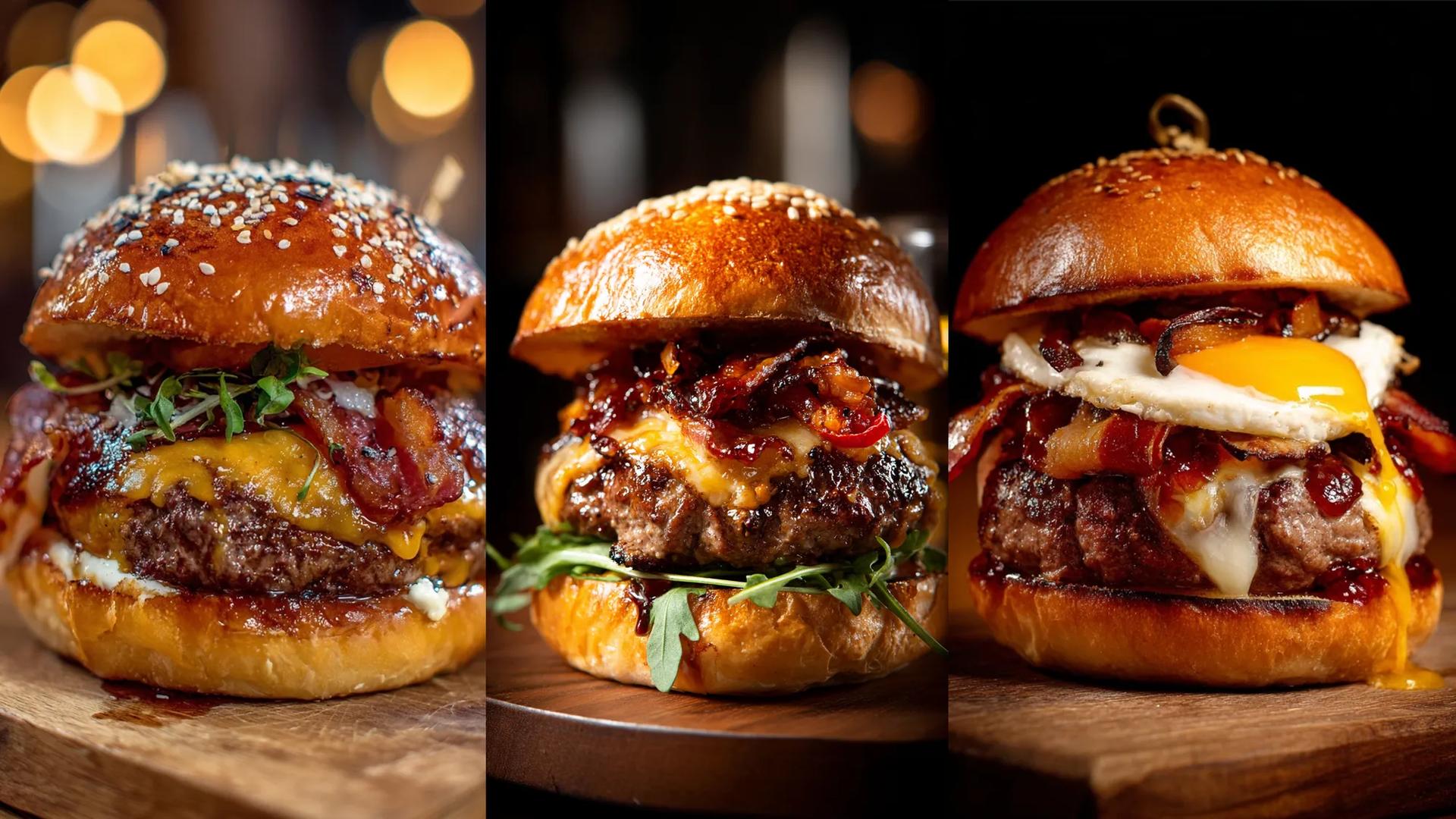
On a real shoot day, that means capturing more than the final deliverable calls for. Different angles of the product. How it pours. How it reacts to different lighting. The tone of a liquid, the texture of a dish, the surface it sits on. None of that is optional. It is what the extension phase will need to stay true to the real thing, banked while the crew and the light are already there, not requested after the fact when nobody is left on set.
The Shoot Day, Hour by Hour
A recent hybrid production ran three days, covering lifestyle, environmental, and AI-focused detail work. The sequence does not change because AI enters the workflow later. Advertising needs come first. The crew shoots exactly what the brief calls for, in the order the kitchen, the light, or the location dictates, the same way any commercial shoot runs.
The AI-focused capture happens inside that same day, not on a separate one. When a moment makes sense, the team pauses to capture the details, backgrounds, or furniture that can serve as reference material later. It is fast because the day is already scheduled and lit, and it does not require a second crew call or a second location.
Every frame still gets sorted by job as it is shot: hero when the subject carries the frame, supporting when it plays a smaller role, negative space when a later ad layout will need room for text, motion whenever a pour, a steam, or a garnish drop gets flagged. Deciding which bucket a frame belongs to happens on set, not in a review meeting days later.
What AI Extension Can and Cannot Do
AI extension works when it has something real to extend. It falls short when it is asked to guess, and that shows up on set: the more angles of a subject captured, the more reliable the extension is later. A single reference frame that is slightly off compounds into a redo. Multiple angles of the same subject, covering it from more than one side, are often the difference between an extension that works the first time and one that needs several passes to get right.
There are also things that do not get handed to AI right now. Precise product detail, the exact way a bottle catches light, for example, still gets captured directly and composited in rather than generated from a handful of reference images. That line moves as the tools improve, but it is drawn on purpose.
The throughline is that AI extends an anchor. It does not replace it. The same logic runs through the ethics of AI in food photography: the real capture has to exist before the extension can be trusted, or there is nothing holding the image up once it has to stand for the actual product.
What the Client Sees on Set
Producers and art buyers on a hybrid shoot are not asked to trust a black box. Every select gets signed off while the crew is still there, the same as any traditional shoot. Confidence in the process is what earns the client's trust. When the photographer is clear about what is being captured and why, the client sees it happening in real time instead of waiting for a reveal after the fact.

That approval structure is also what a producer should check for on a portfolio or a call before booking hybrid work. The signals that separate a photographer who can carry a full advertising campaign from one who can only move fast are covered in how to hire a food photographer for advertising campaigns.
The Asset Library You Walk Away With
The gap between how fast content demand is growing and how fast most teams can produce is not closing on its own. 51% of organizations already say managing large volumes of visual content is a resource challenge (Cloudinary, 2026). A hybrid shoot is built to answer that directly. The real deliverable is the library: hero, supporting, and extension frames structured to stay usable months after the shoot wraps.
Files get dated to the shoot, filed by asset, and named so a brand team can find the right frame a year later without guessing. That structure is what lets one well-planned day scale into a campaign that runs across formats and, when the brief calls for it, multiple markets at once instead of a folder nobody can search six months later.
Plan the Shoot Day Around What Comes After
A hybrid shoot day does not look different from a well-run traditional one. Same crew, same brief, same sign-off process on set. What changes is the shot list: a handful of extra angles and reference passes, decided in advance, that turn one day of real photography into a source library the extension phase can use.
If a project needs that kind of planning built in from the start, book a call and we can map the shot list, the sign-off process, and the asset library before the shoot date gets locked.
Frequently Asked Questions
What is hybrid production in photography?
Hybrid production is a real photography shoot planned so the material can be extended with AI afterward. It starts with the same shot list any commercial shoot needs, then adds a layer of extra coverage, angles, product detail, and surface references captured specifically because a later extension phase will need them. The photographer still makes every creative decision. AI only extends what was actually captured on set.
What does a photographer capture differently for AI extension?
More angles of the same subject, close product detail passes, and clean surface references that a standard deliverable list would not call for. On a real shoot day that means capturing how something pours, how it reacts to different lighting, and the texture of a surface, beyond the final framed shot. That coverage gets banked while the crew and the light are already there, so nothing has to be requested again later.
What can AI extension not do on a hybrid shoot?
AI extension struggles with anything it has to guess rather than extend from a real reference. Precise product detail, the exact way a bottle catches light for example, still gets captured directly rather than generated. A single weak reference frame can also compound into a redo, which is why multiple angles of the same subject matter more on a hybrid shoot than on a standard one.
Who signs off on selects during a hybrid shoot day?
The client does, on set, the same as any traditional commercial shoot. Selects get reviewed and approved while the crew is still there, before the extension phase begins. That structure means the brand team is not asked to trust an AI process after the fact. They see the real capture happen and sign off on it in real time.