TL;DR: London has more than 11,400 restaurants and 85 Michelin-starred venues setting a visual standard the rest of the market competes against. For operators in that city, photography is a commercial decision, not a brand extra. This post explains what makes London's spaces and light conditions specific, how to separate hero shots from service, and what a specialist brings to the brief.
Why London Restaurant Photography Sets a Higher Bar
With Restroworks counting more than 11,400 restaurants operating in London as of May 2025, the question for most operators is not whether to invest in photography. It is whether what they already have is good enough to compete. The city's 2025 Michelin Guide lists 85 starred restaurants, 61 of them at one star. Those venues commission professional shoots as standard. For operators below that tier, the visual floor is set by their neighbours.
SevenRooms' 2025 UK Restaurant Industry Trends Report found that 45% of UK diners discover restaurants via social media and spend an average of 40 minutes researching online before booking. Cropink, aggregating Google platform data, reports that 40% of diners visit a restaurant after seeing food photos. The images a restaurant publishes are doing commercial work before a guest walks through the door.

London's Building Stock Is a Photography Brief
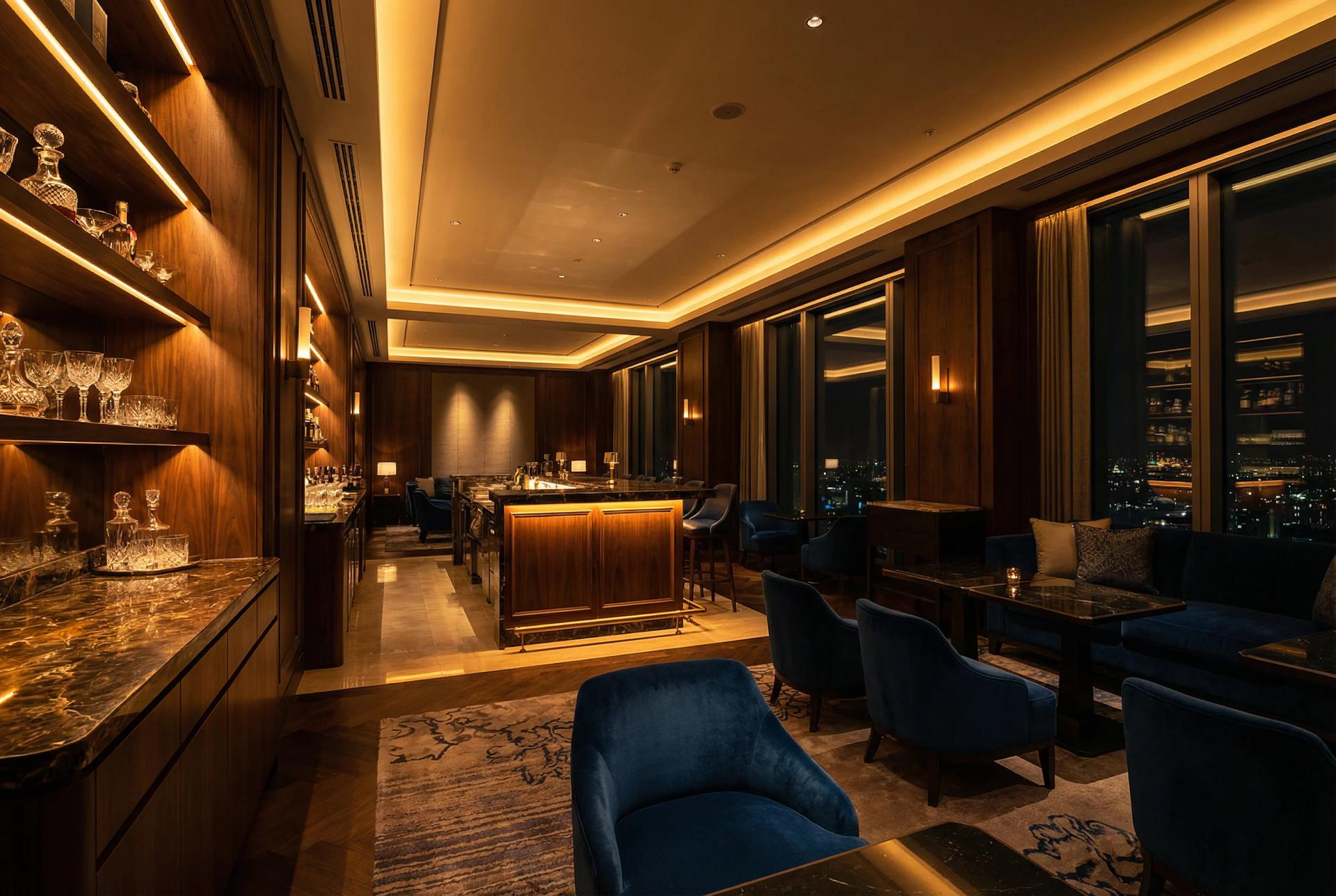
Georgian terraces, Victorian railway arches, narrow Soho basements with no natural light, glass-and-steel City hotel dining rooms. Each architectural type brings a different lighting problem, and London's density means a photographer working the city encounters all of them in a short period.
The hardest cases have minimal or inconsistent ambient light: a Victorian basement with exposed brick, candlelight the only existing source. The answer is not fighting the room. It is bringing in strobes or flashes and using artificial light to build a consistent, high-quality look that stays true to the client's brand and aesthetic, without losing the atmosphere the room was designed for. Overcoming a difficult space comes down to knowing how to make something look the way you want it to look, regardless of what the room gives you.
London's northern latitude also lengthens the blue-hour window. Overcast conditions flatten exterior light more often than in southern European cities. On narrow streets in core dining neighbourhoods, available light drops earlier than weather alone would suggest. A photographer who only visits the city does not carry that as working knowledge.
The post on lighting patterns in low-light London restaurants covers the same technical territory in detail.

Brand First, Neighbourhood Second
A Soho spot and a Mayfair room sit in different postcodes. They are not automatically separated by visual register. A Shoreditch restaurant can be just as refined in its aesthetic as anywhere in Mayfair. What determines the look is not the neighbourhood. It is the brand.
The process is to establish the look together with the client first, then execute it consistently across every shoot that follows. Not every restaurant deserves the same lighting, framing, or pace. What gets built is something specific to that client's guidelines, not a generic hospitality aesthetic applied to every job.
For groups operating across multiple markets, the same logic extends to the brief. A Mayfair restaurant may need images that work for a London social account, a Middle Eastern parent company's brand guidelines, and a US press request in the same week. Understanding the full distribution map before the shoot determines the shot list, the framing, and the final format set. That planning happens before the camera comes out.
Separating Hero Shots from Service
A kitchen working at high pace during service cannot always execute a dish to the standard a hero shot needs. For mid-range restaurants, where dish polish is not built into the service routine the way it is at a top-tier operation, scheduling finalized hero shots outside of service time protects both the kitchen's pace and the quality of the final image.
What gets captured during service is different: lifestyle, lived-in moments that show the brand with real guests in the room. Separating the two types of capture gives the restaurant both the tight product shot and the authentic atmosphere shot. Each serves a different platform and a different purpose.
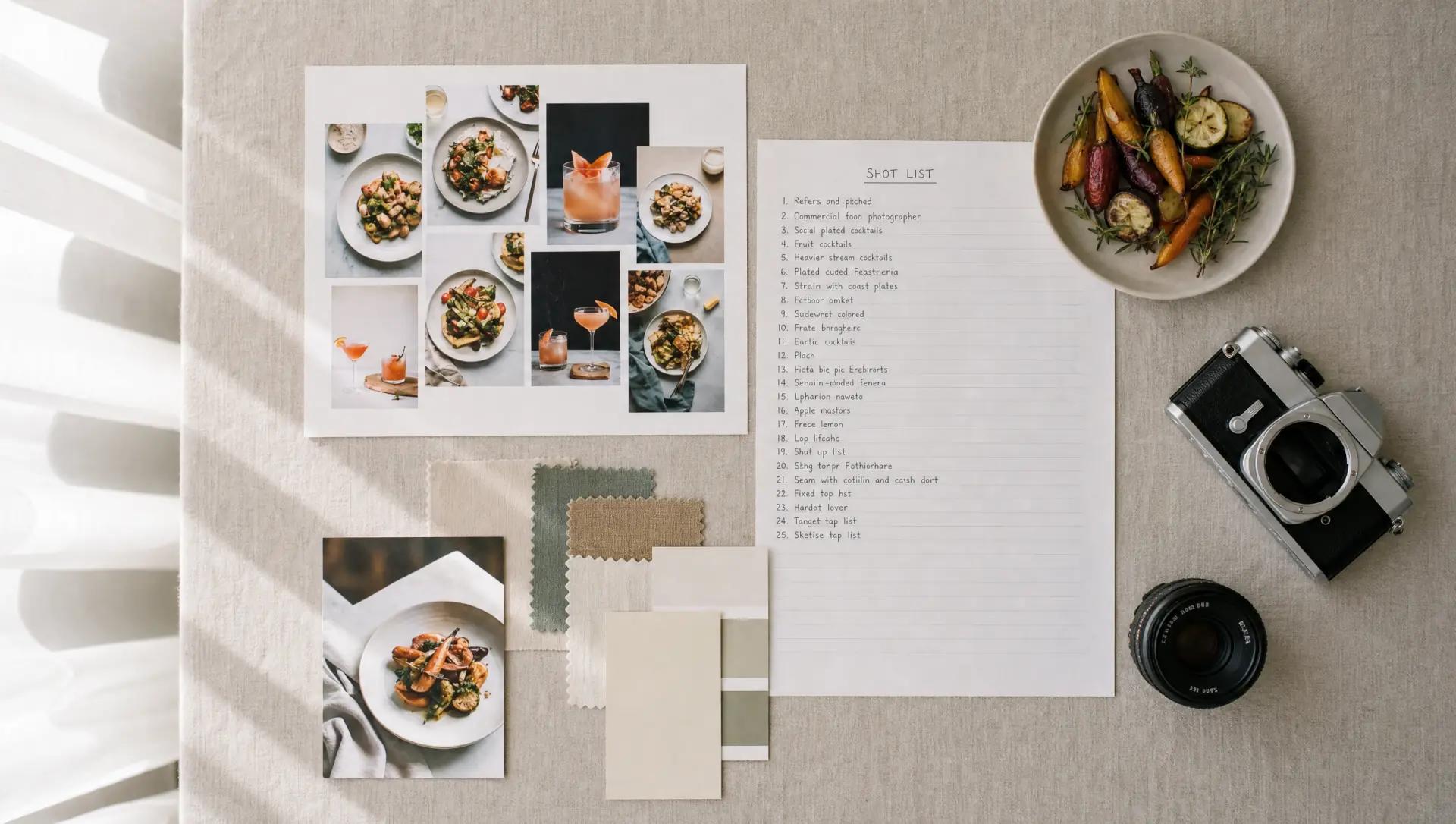
Briefing a food photographer explains the pre-production questions that determine which shots go into which part of the schedule.
What a Local Base Gets You
Being based in NW6 and South Hampstead changes the kind of production relationship that is possible. For clients operating in North and West London, a quick turnaround on social assets, a scouting visit without a travel day, or a short session to capture two or three things does not require booking a full production day. That kind of availability is hard for a photographer flying in from outside the city to match.
Over time, it builds a retainer-style relationship: the look is already established, the brief does not start from scratch each time, and getting new assets captured is a matter of a short session rather than a full-day commitment.
Brent Herrig Creative is a culinary motion production company based in New York and London.
Ready to Discuss Your London Shoot
London's restaurant market moves fast, and the visual standard is set by operators who treat photography as part of the production budget, not an afterthought. Getting the right images early means building a library that works across platforms, seasons, and distribution needs.
If you are planning a shoot or want to understand what a specialist photographer brings to a hospitality brief, book a call to talk through what the project needs.
Frequently Asked Questions
How do I know whether to schedule my shoot during service or outside it?
Hero shots and final dish photography should happen outside service time. What works during service is lifestyle: guests at tables, the room in use, the atmosphere the brand is built around. A specialist will walk through the shot list before the day and split the schedule so neither the kitchen's pace nor the final images are compromised by trying to capture both at once.
Does a dark or architecturally difficult London restaurant space affect what I can shoot?
No. The solution to minimal or inconsistent ambient light is knowing how to build the look you need with artificial light. Strobes and flashes can produce a consistent, high-quality result that stays true to the room's atmosphere. The approach changes with the space; the standard does not.
What should I tell a photographer if my brand images need to work in multiple markets?
Brief on the full distribution map before the shoot: which platforms, which regions, which brand guidelines apply, and whether any specific treatments or restrictions apply in one market and not another. That upfront planning determines the shot list, the framing, and the format set delivered at the end of the day.
Do I need to choose a photographer who already knows my neighbourhood?
What matters more than neighbourhood familiarity is understanding your brand. Every space, regardless of where it sits in London, gets its own approach based on your guidelines, not a generic read of the postcode. What local knowledge gives an operator in North or West London is operational speed: shorter turnarounds, easier scouting, and the kind of ongoing relationship that comes from proximity.