What Is Portrait Photography?
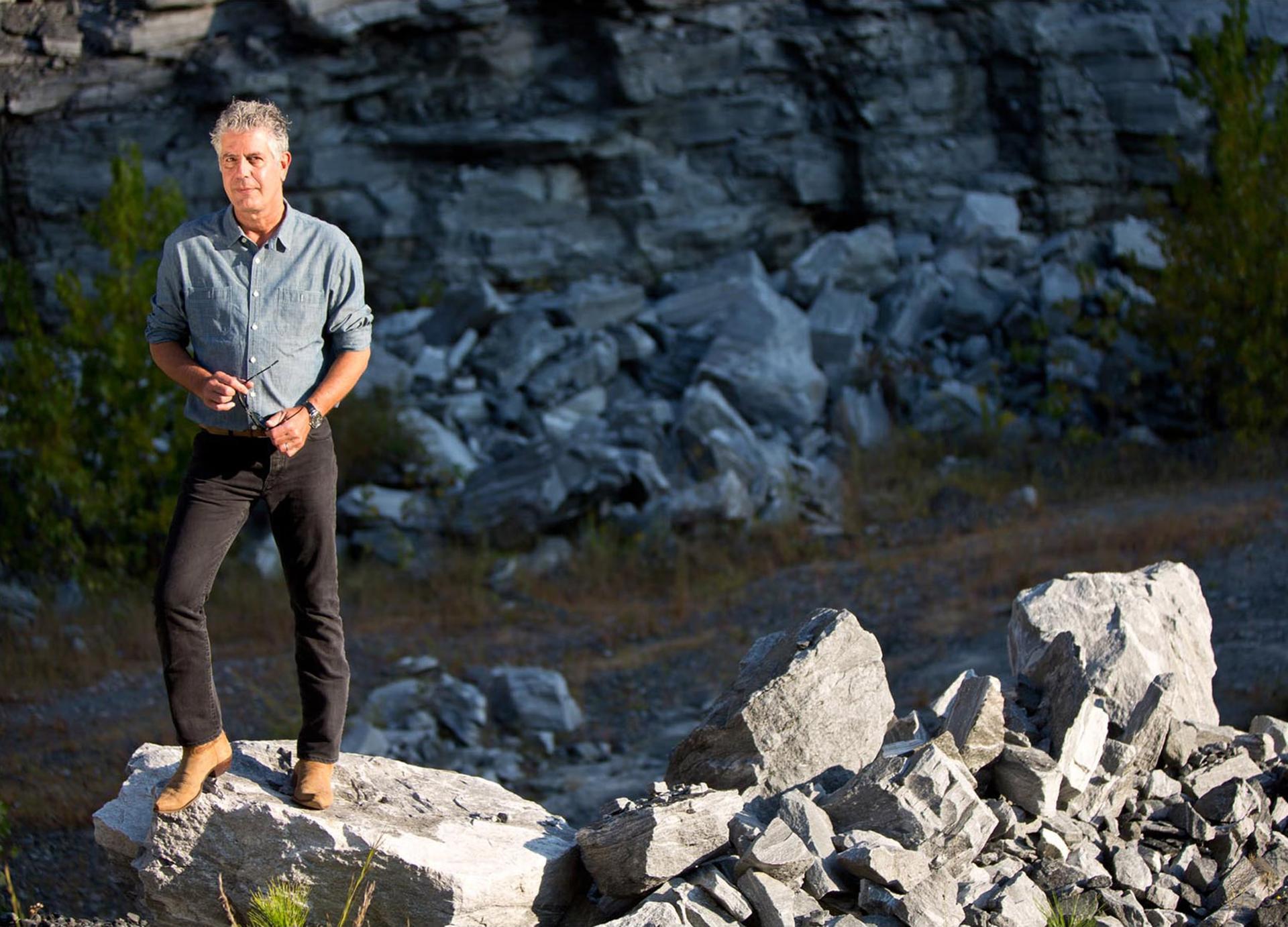
Portrait photography is photography whose subject is a person and whose purpose is to say something about them. The photographer controls light, lens, distance, background, and direction so that expression and posture carry meaning rather than only recording a likeness. Commercially it covers chef and founder portraits, editorial profiles, team and leadership series, and environmental portraits made in the space where someone works.
A headshot identifies a person. A portrait characterises one.
Portrait, Headshot, or Environmental Portrait
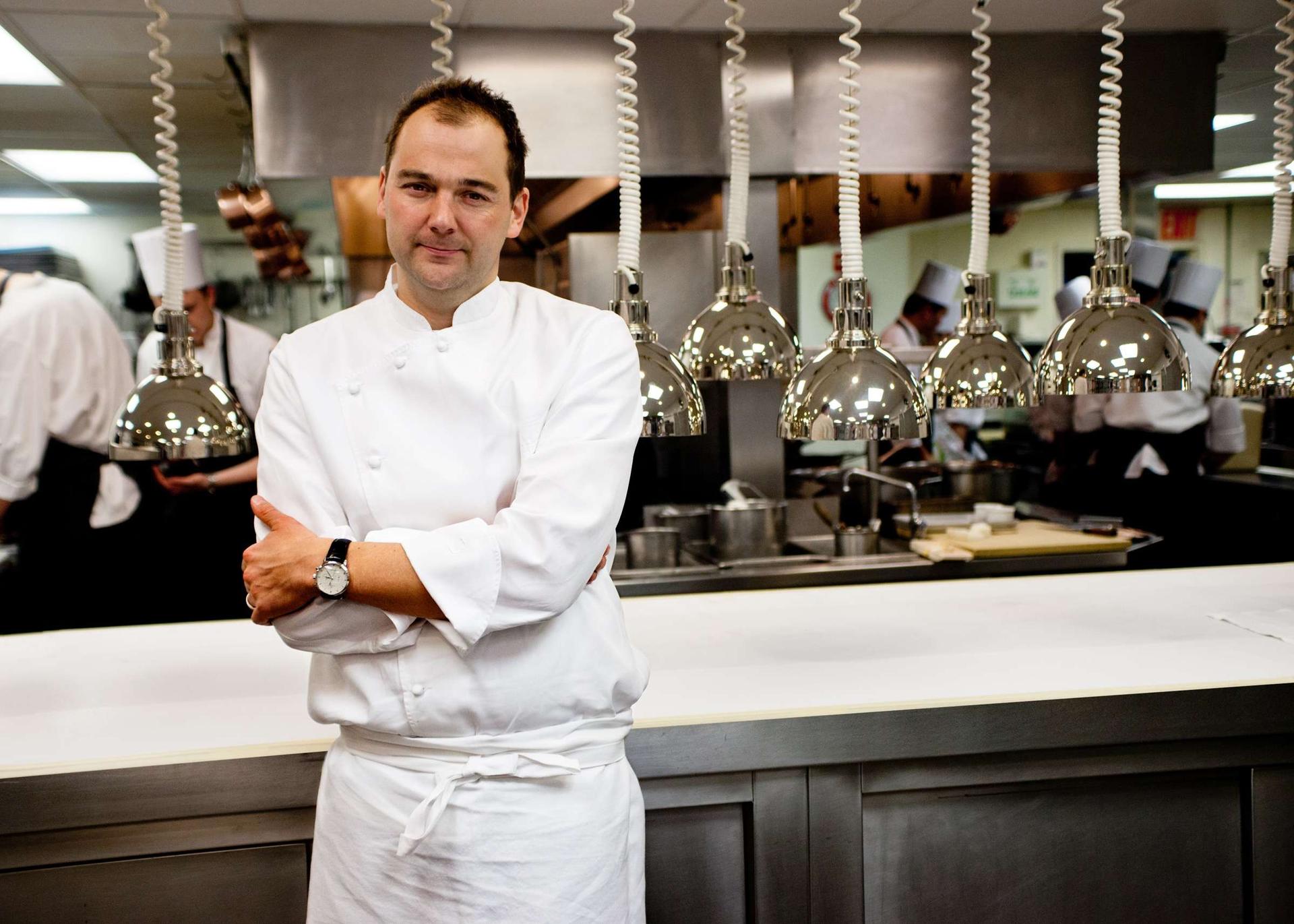
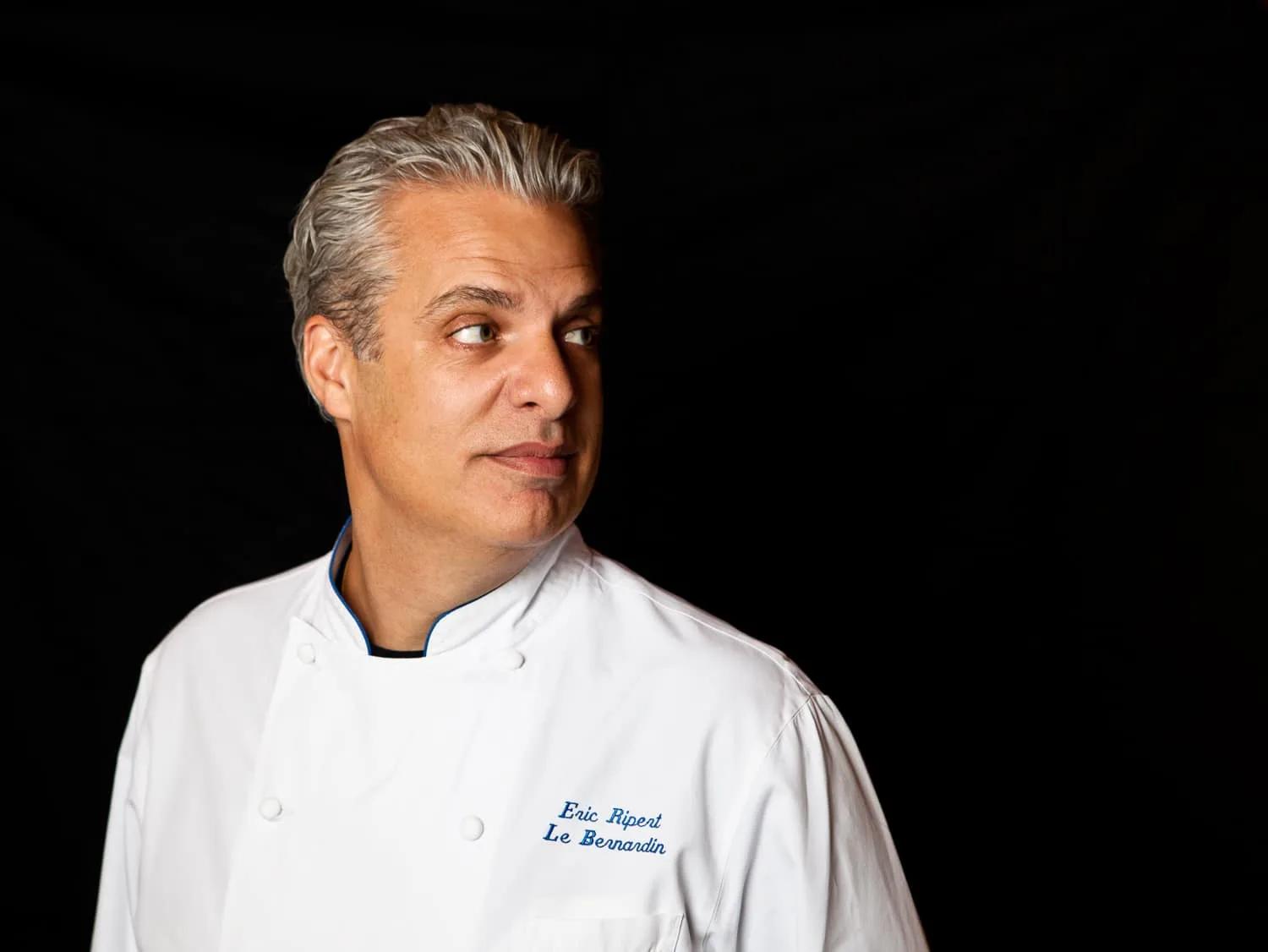
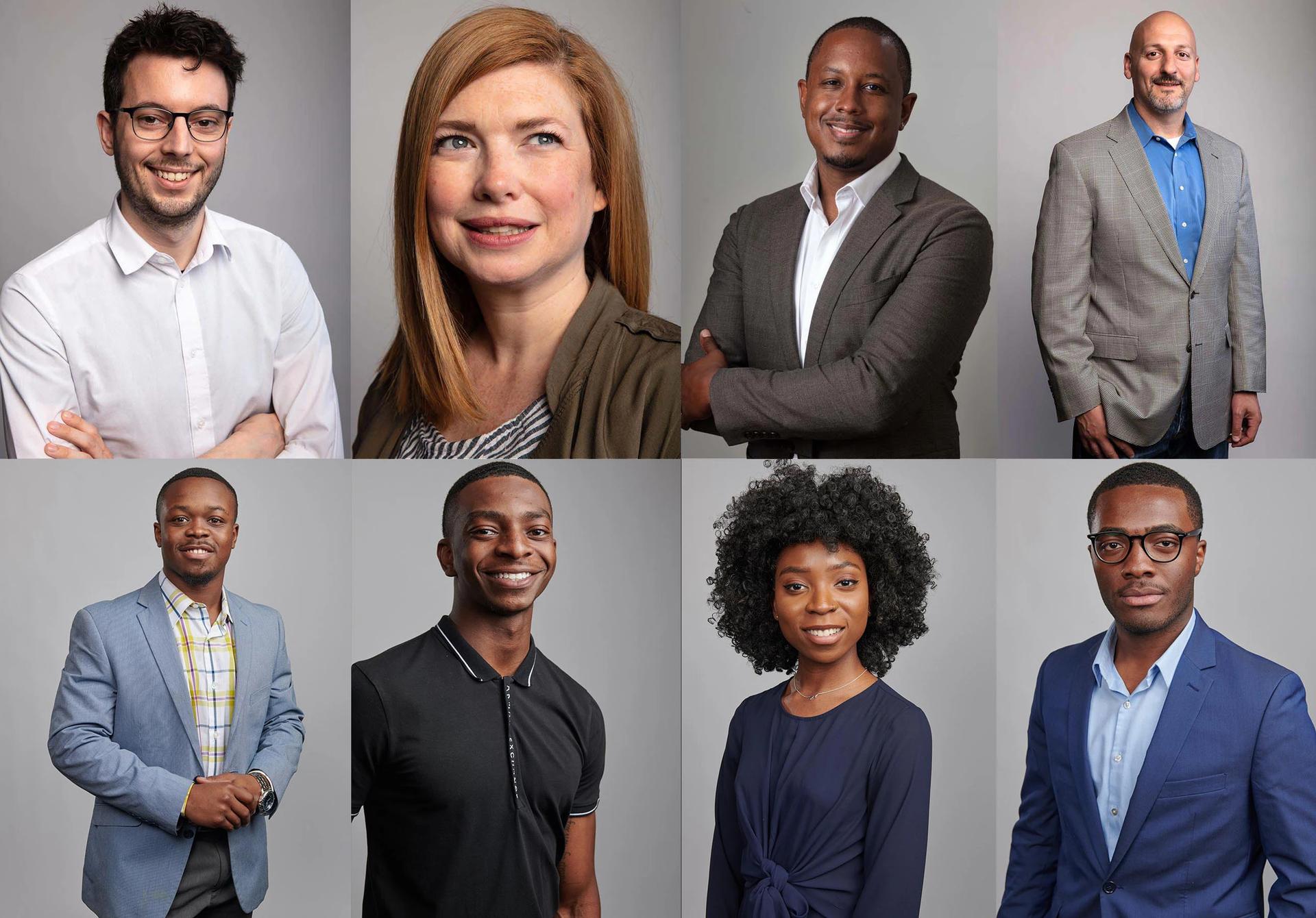
These three get used as if they mean the same thing, and briefing the wrong one is the most common way a portrait day goes sideways. A headshot is made to a shared standard so a whole team matches: same light, same background, same crop. A portrait is made for one person, using light and framing chosen to suit them.
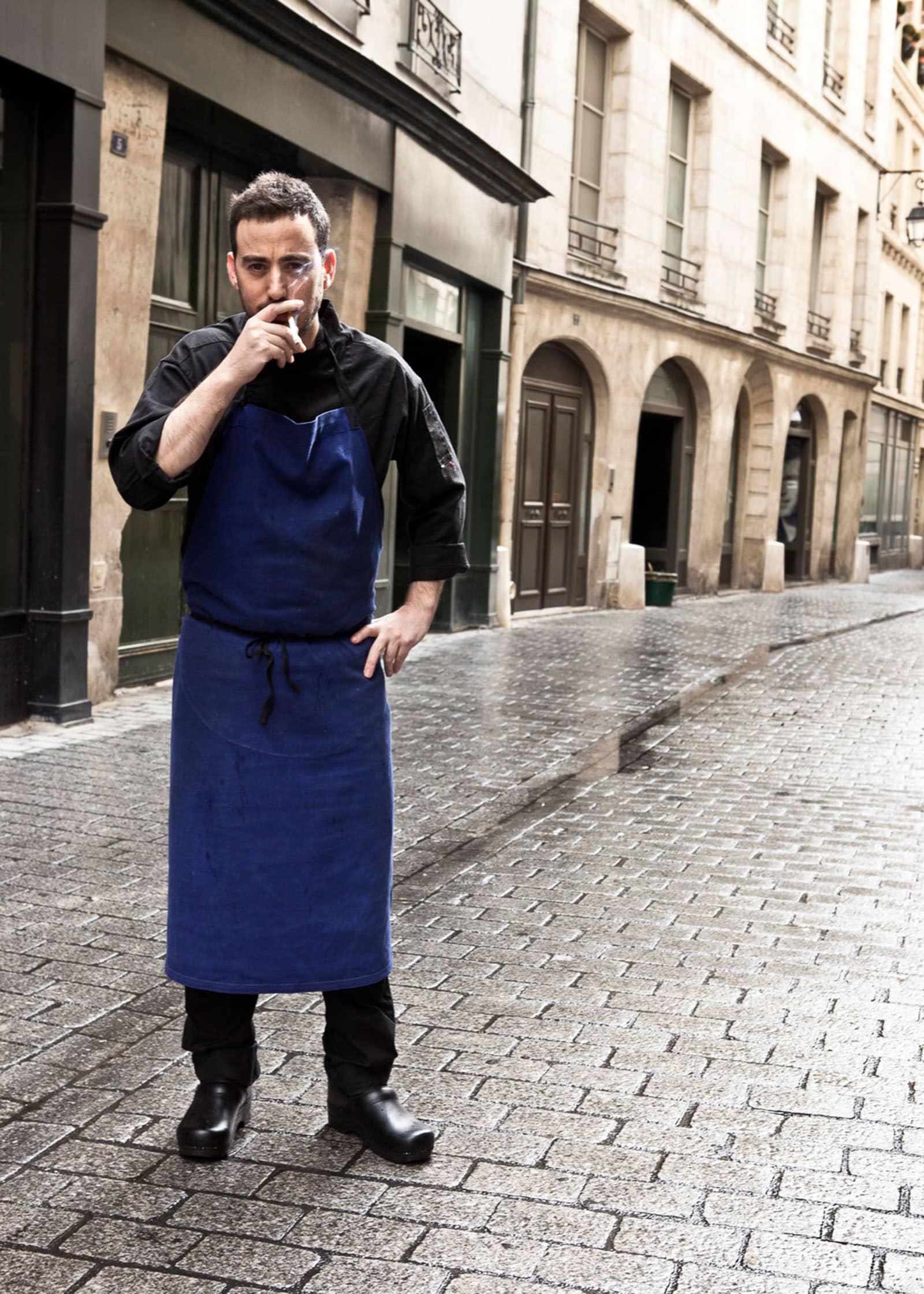
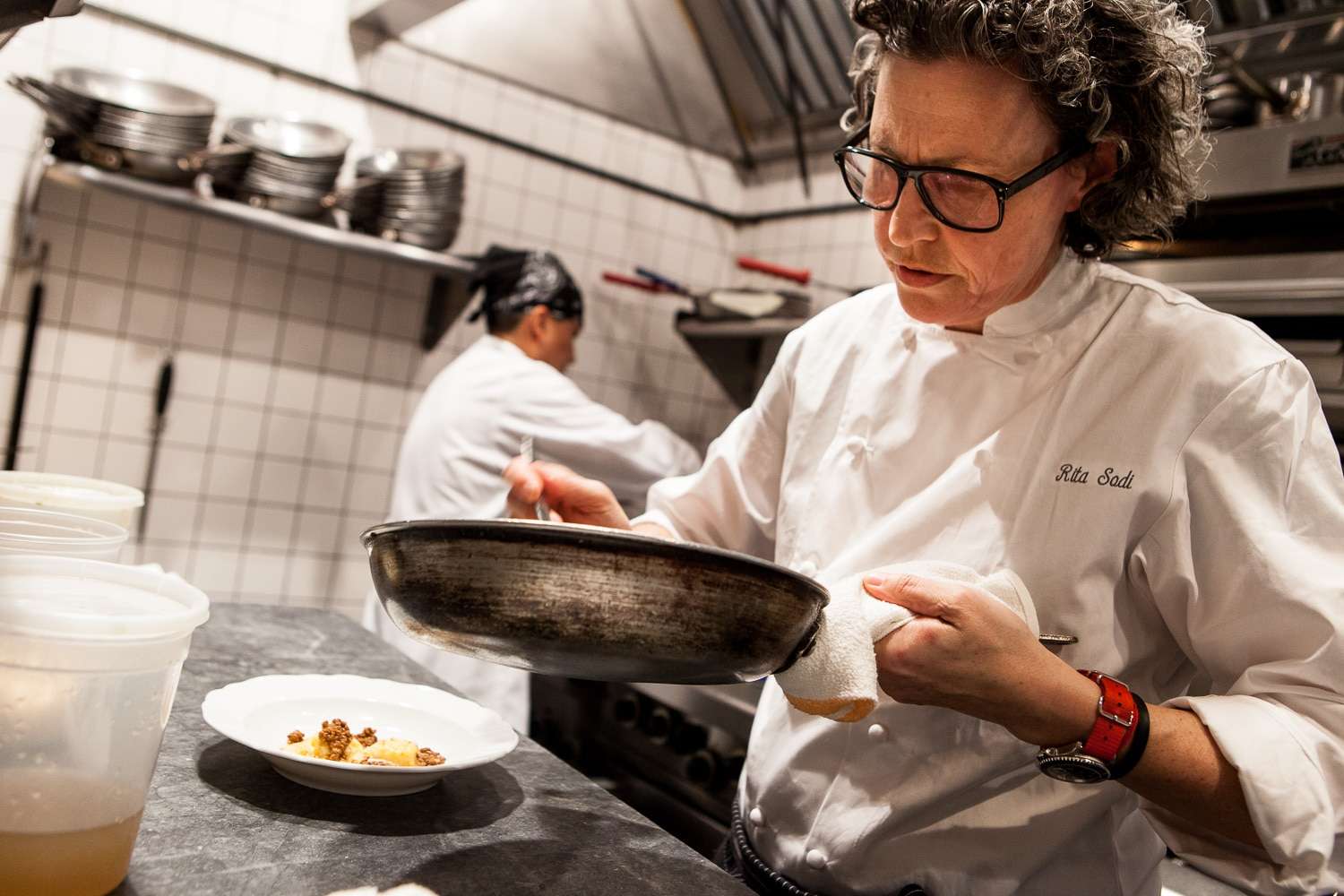
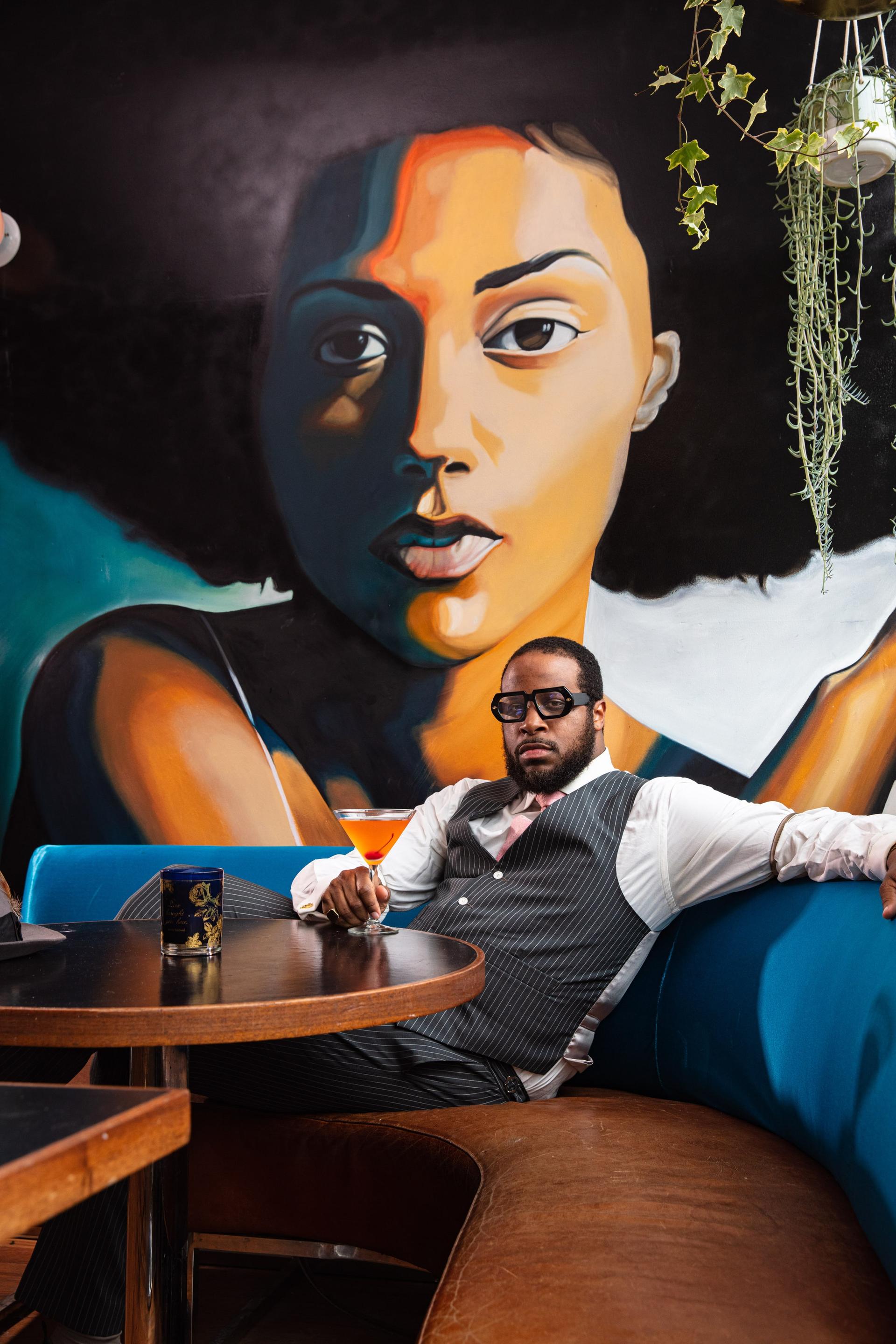
An environmental portrait sits between the two. It puts the subject inside the room that explains them, a kitchen, a bar, a workshop, and lets the space carry information the face alone cannot.
What Makes a Portrait Read as Authentic
Most people being photographed are not models, and a held expression is what happens when someone is told to look a certain way and left there. A real one comes from direction: giving the subject something to do, shooting through it, and choosing the frame afterwards instead of hunting for it in the moment.
- •Photograph people where they already know how to stand
- •Keep the setup short so the session stays a conversation
- •Retouch conservatively so skin still reads as skin
The Elements of a Portrait Photograph
Five things decide how a portrait reads. Change any one and the same person reads differently in the frame.
Light
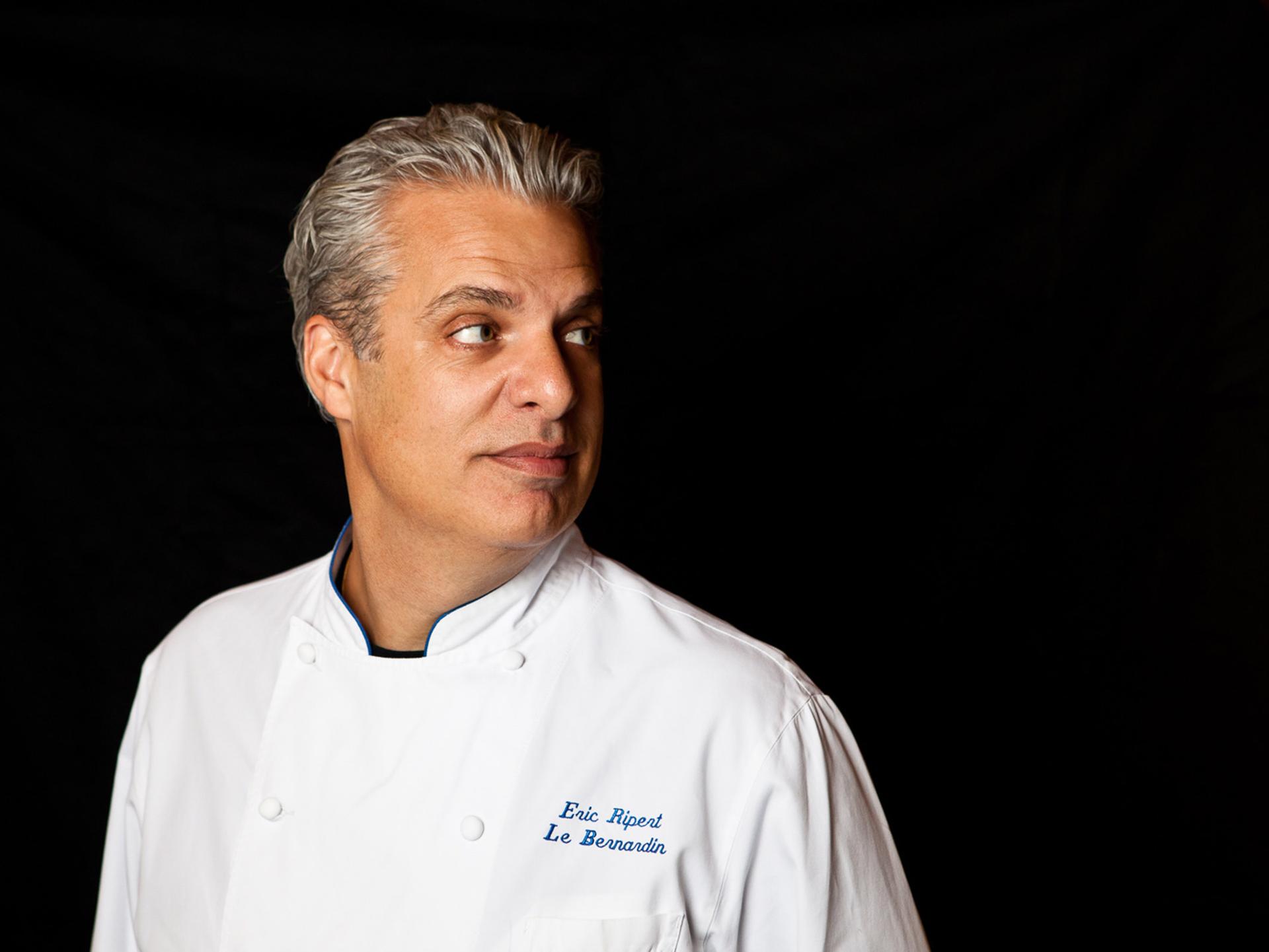
Where the light comes from and how hard it is decides the shape of a face before anything else happens. Soft light close to the camera flattens and flatters. Hard light from the side builds structure and shadow. Neither is correct on its own. The choice follows the person and what the picture is for.
Expression and Direction
A portrait is a collaboration with someone who is usually not a model. Direction is what gets a real expression instead of a held one: short instructions, a reason to move, and enough conversation that the subject stops performing. Most of the work on a portrait day is this part.
Lens and Distance
Focal length and how close the camera stands change the proportions of a face and how much of the room comes with it. A longer lens from further back compresses features and isolates the subject. A wider lens up close puts the person inside their space and lets the background carry information.
Background and Context
The background either says something about the person or it gets out of the way. A clean sweep keeps the frame about the face and matches across a whole team. A real room, a pass, a bar, a workshop, tells a viewer what the person does before they read a caption.
The Moment
The frame that gets used is rarely the first one. It is the one where posture, hands, eyes, and light agree at the same instant. Shooting through a setup instead of taking one frame and moving on is what makes that moment available to choose later.
Portraits Published by The New York Times, Bon Appétit, and Food and Wine
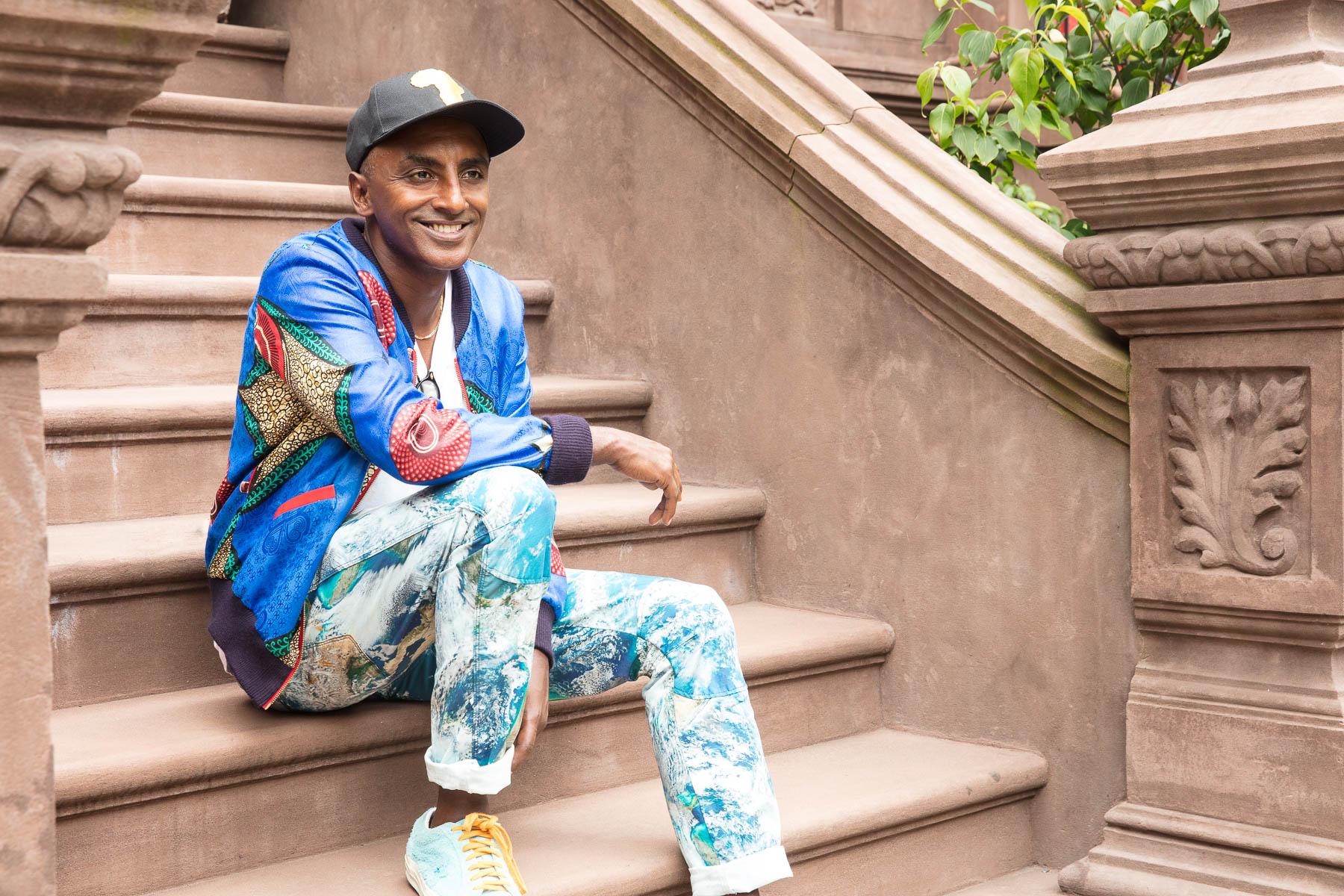
Chef and hospitality portraits including Marcus Samuelsson, Eric Ripert, Daniel Boulud, Daniel Humm, Amanda Cohen, Gavin Kaysen, Carla Hall, and Floyd Cardoz, alongside team and leadership work for JP Morgan Chase, American Express, and the NFL.
Over 100 chefs photographed across two decades in New York, London, and on location across Europe.
































Portrait Photography in London
London is one of two bases. The studio in South Hampstead, NW6, is the UK base for planning, pre-production, and post, and it sits close to the Central London agencies and to the transport links out to the rest of the country. Portrait sessions themselves run where the subject already is: a restaurant, a bar, a hotel, an office, a workshop, or a rental studio booked to the brief.
That matters more for portraits than it does for most other work. A chef photographed in their own kitchen during a quiet hour gives you posture and hands that no studio setup reproduces, and London has enough studio stock that the room can be chosen for the picture rather than the picture squeezed into one fixed room. Every space booked comes with the same standard: tethered capture so the subject sees the frames, a place to change, and a review setup for whoever is signing off.
London work runs from single editorial portraits to team days where a mobile studio goes into a meeting room and a full staff moves through a fixed lighting plan. Michelin-starred chef Éric Chavot was photographed in London for the Spoonfuls series. From the London base, portrait assignments have also run to Copenhagen, Alba, Iceland, and Paris, so a European commission does not need a second production company bolted on.
Studio details and the UK contact route are on the London studio page. The food and drink side of the London work sits on food photographer London, and the full people portfolio is on portrait photography.

Éric Chavot. Photographed in London for the Spoonfuls series.
- UK base
- South Hampstead, NW6
- Session types
- Single portrait, editorial, team day
- Where sessions run
- On location or a studio booked to the brief
- From the London base
- United Kingdom, Europe, Middle East
Selected Portrait Work
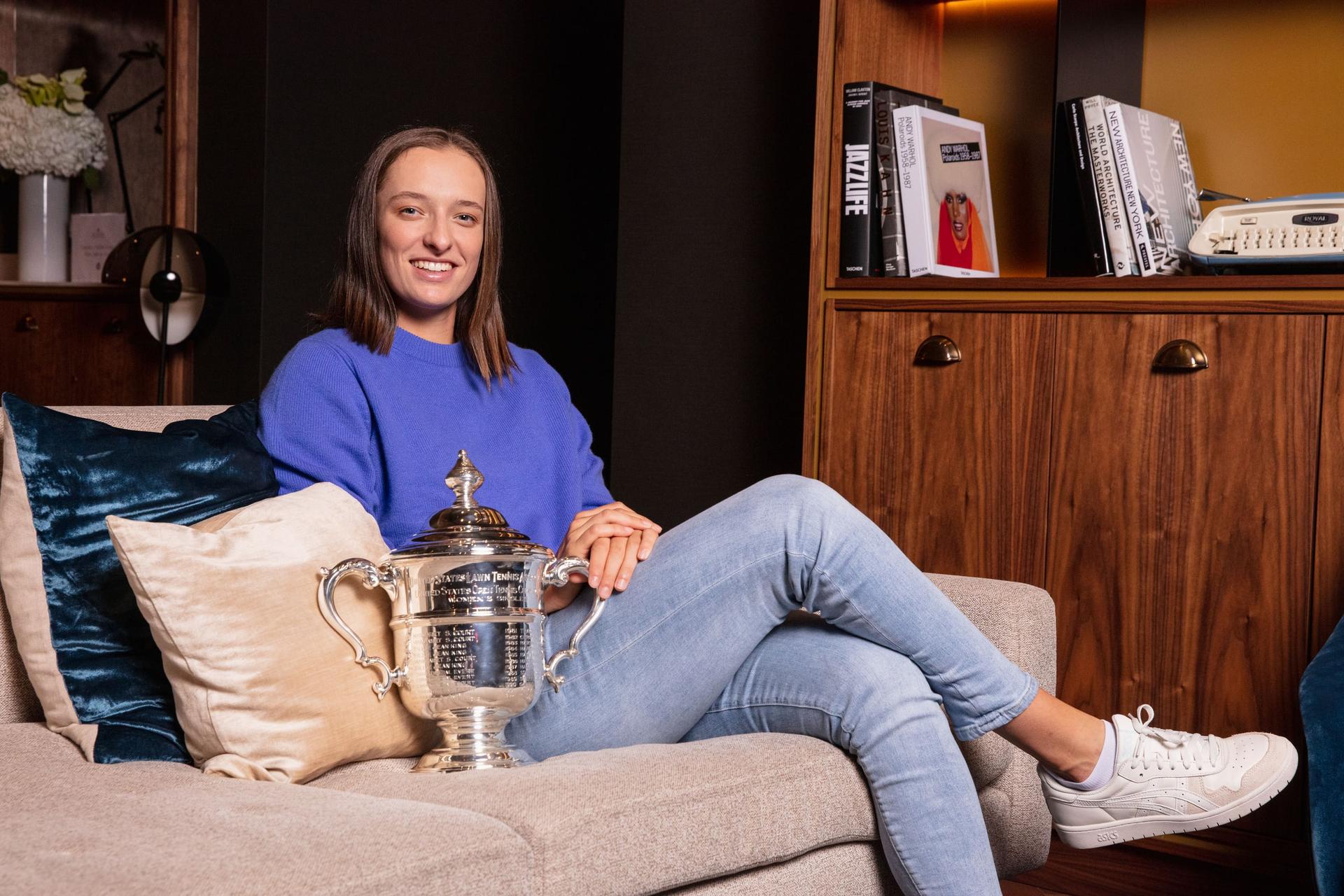
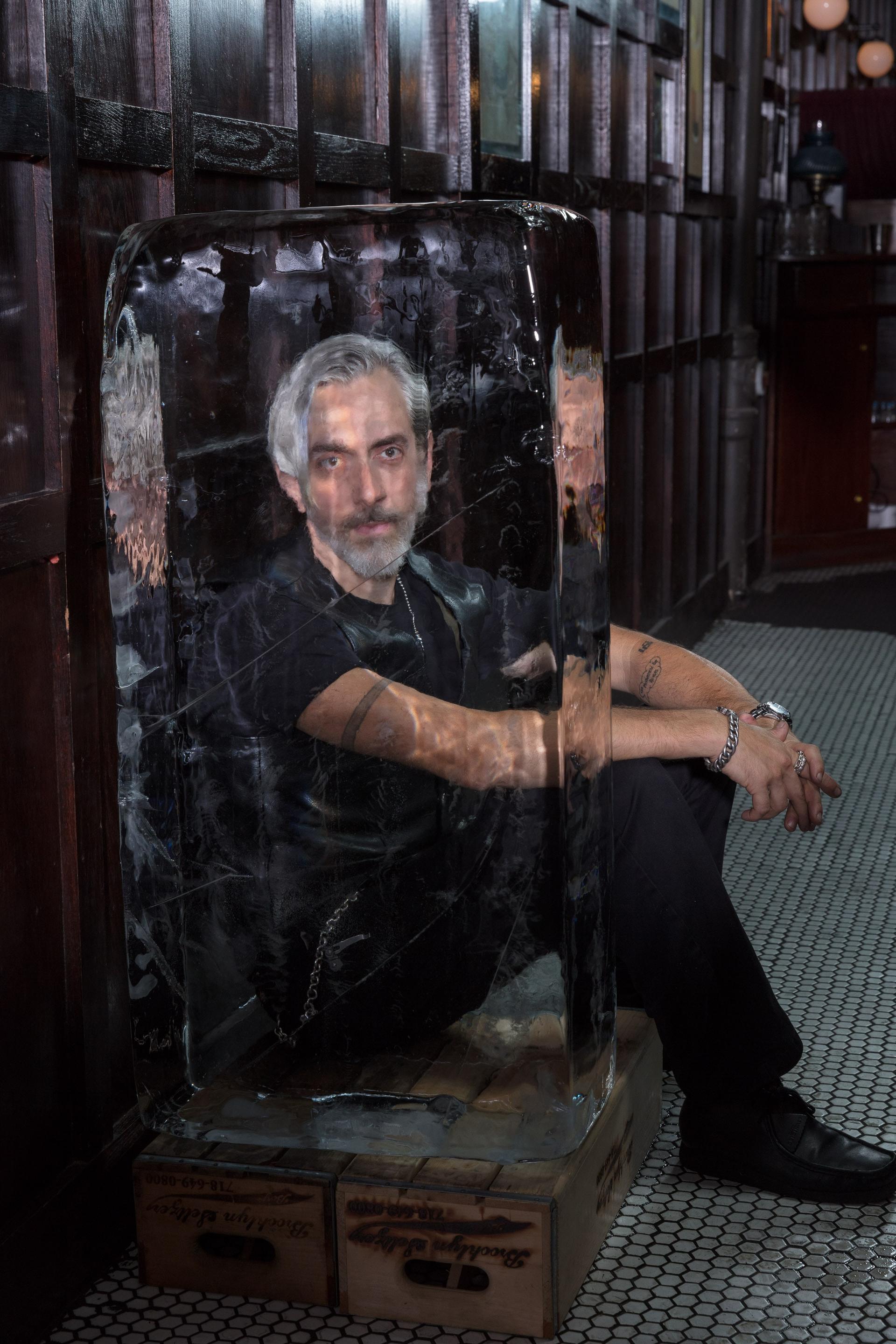
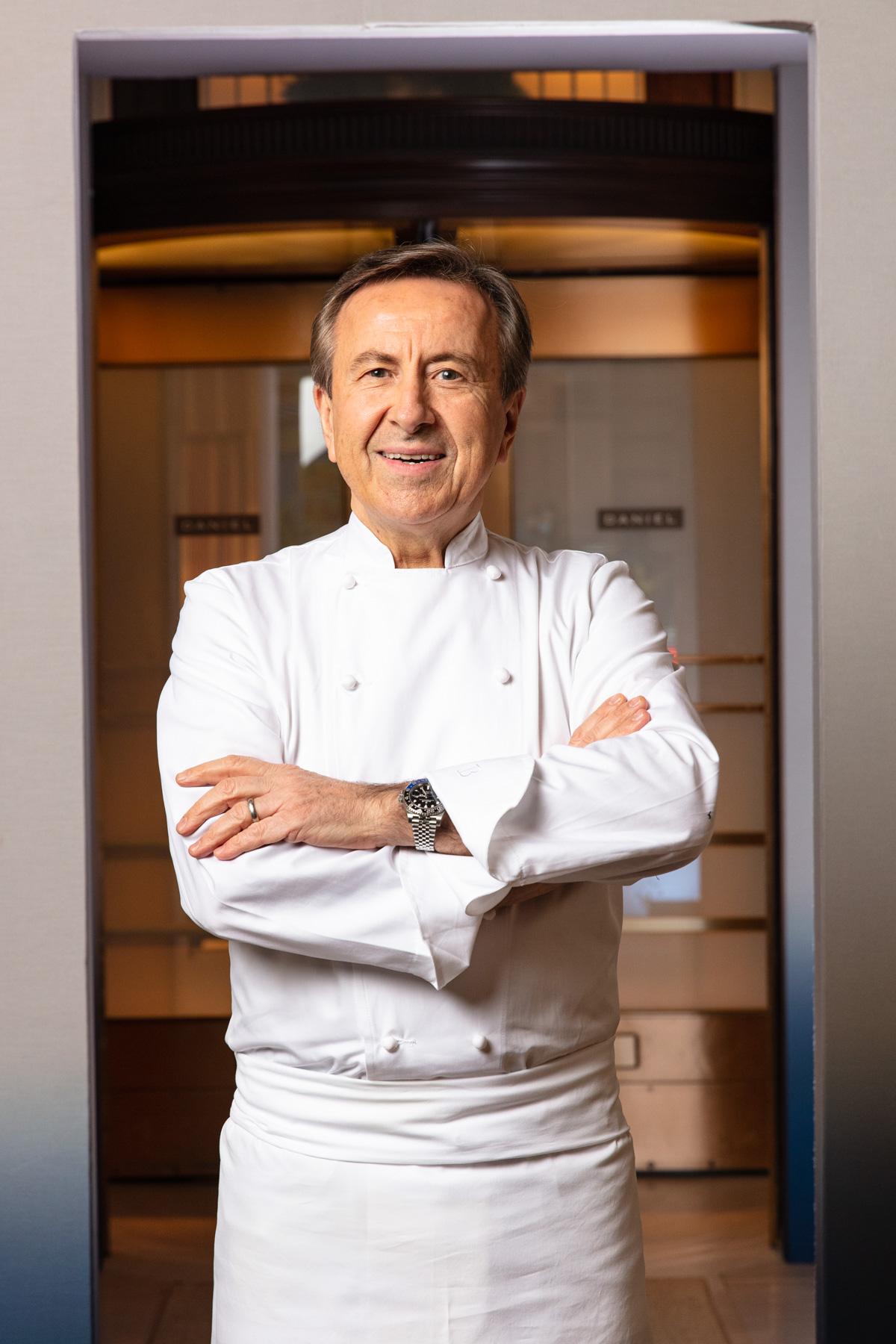
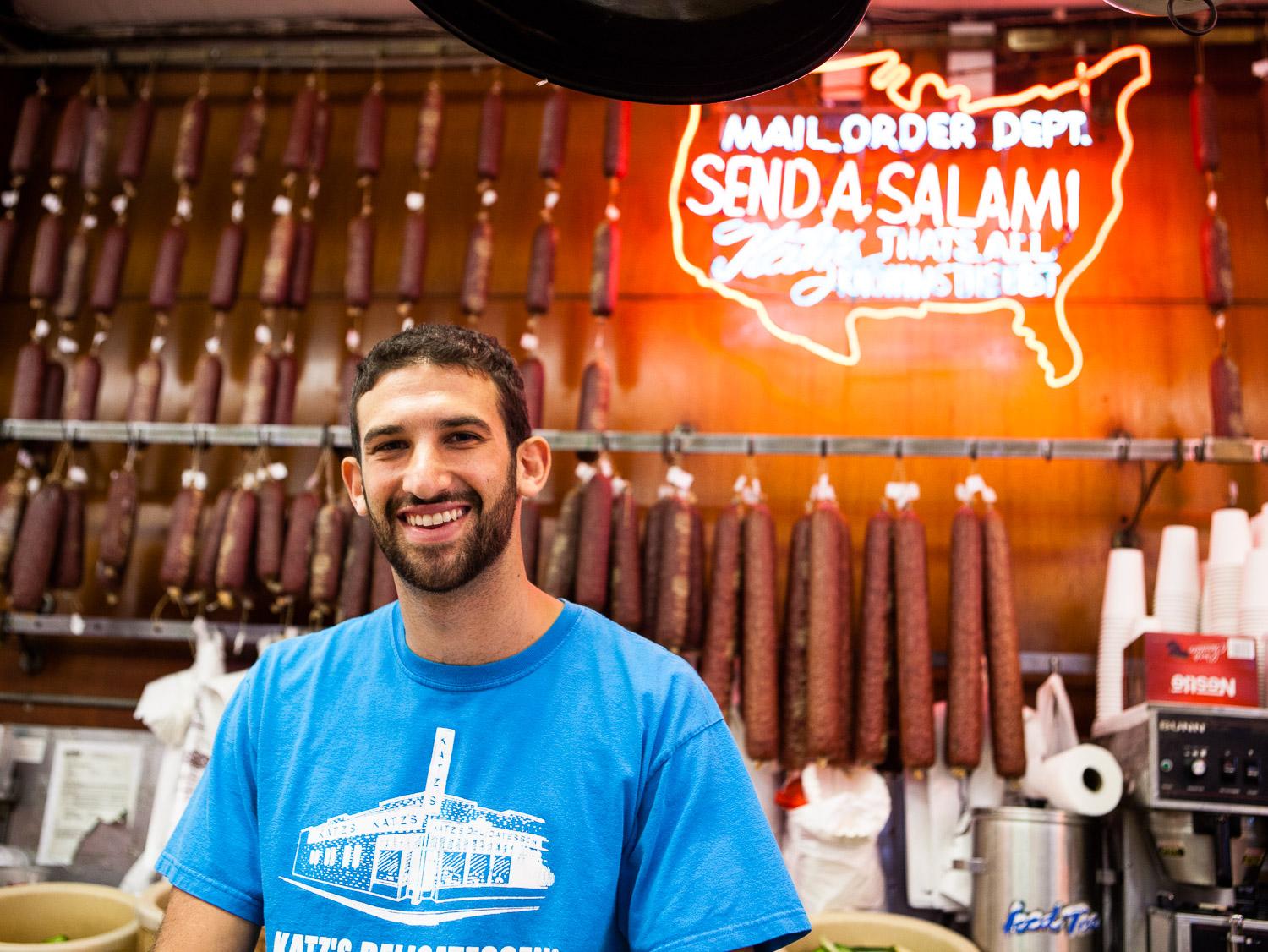
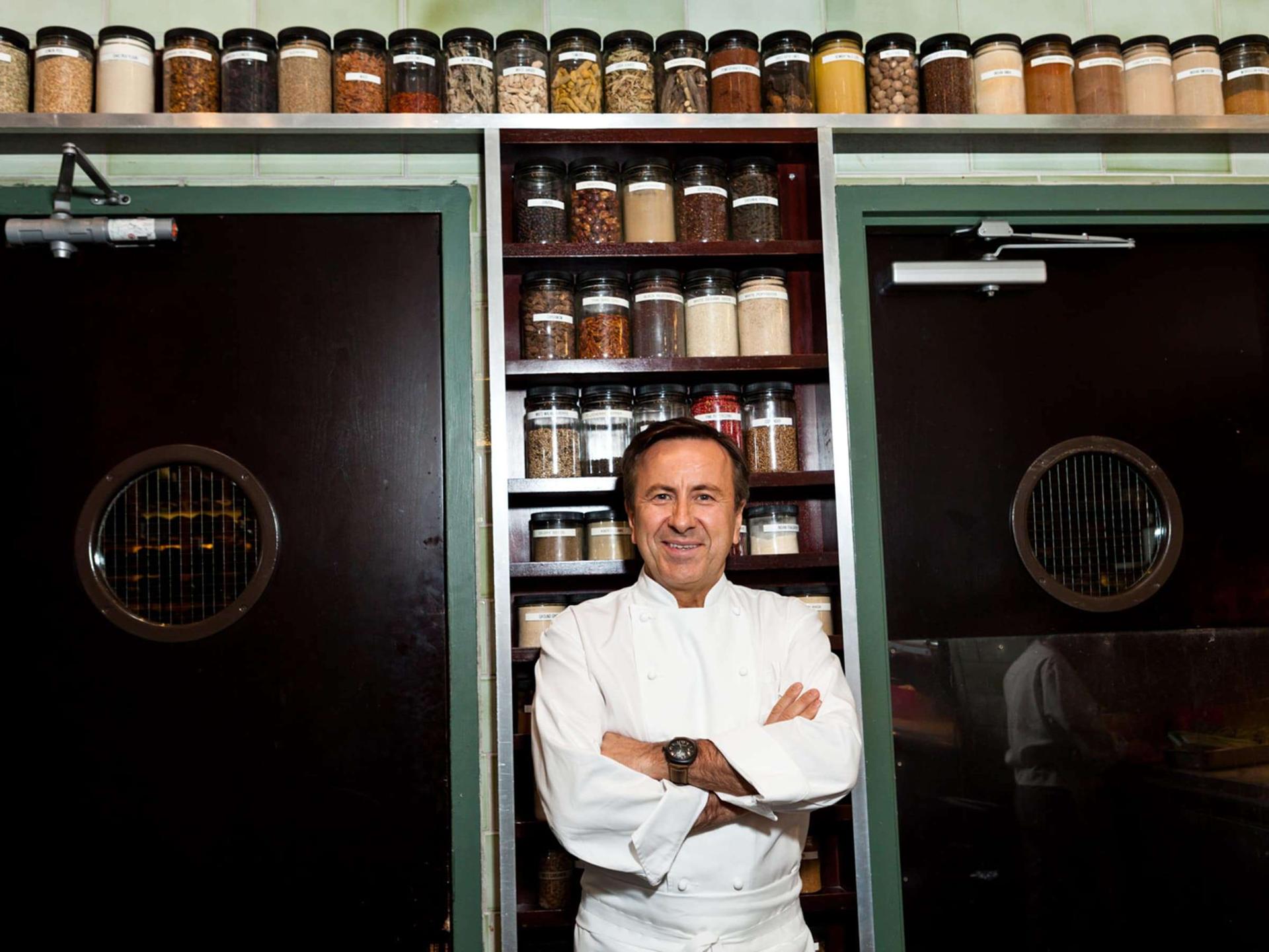
Chefs, makers, founders, and teams. Frames are captioned by subject or venue, and a location is named only where the shoot location is confirmed.


Portrait Photography Specialties
Different briefs want different portraits. These are the shapes most projects land in.
Explore Related Portfolios
How Projects Work
A clear process from brief to delivery
Pre-Production
Brief, placements, shot list, styling direction, crew, and logistics. We align on deliverables before shoot day.
Production
Studio or on-location. Still and motion captured together when it improves efficiency and output.
Post + Delivery
Retouching, color, compositing, and exports organized by channel and usage.
Briefing a Portrait Session
Useful things to send: who is being photographed, how many people, where they are, what the pictures are for, and the date the images are needed. Every project is quoted against its brief, so an estimate comes back before anything is booked.
Common Questions
What is portrait photography?
What are the elements of a portrait photograph?
What is the difference between a portrait and a headshot?
What makes a portrait feel authentic?
What is an environmental portrait?
Do you photograph portraits in London?
How long does a portrait session take?
What should someone wear for a portrait?
Do you retouch portraits?
What does a portrait shoot cost?
Let's work together
Have a project in mind? Email me directly, I reply within 24 hours.
Click above to start or send a message.