
TL;DR: If your ads reach the EU, from August 2, 2026 you have to tell people when AI made or altered content that could pass for real. There is no required wording. The label just has to be clear, visible, and there the moment someone sees the content (EU AI Act, Article 50, 2026). This is the plain how-to: what to write, where to put it, and what fails. I am a photographer, not a lawyer, so treat this as researched guidance, not legal advice. When a case is fuzzy, label it.
Labeling AI content sounds like a compliance headache. It is not. Once you understand the two moving parts, it is a five-minute habit you build into how you already work.
I run a hybrid production studio in New York and London, and we use AI every week to stretch real shoots into more formats. So I had to work this out for our own campaigns first. Here is the short, practical version, written for marketers, not lawyers. If you want the bigger picture of the law behind it, I laid that out in the EU AI Act, explained.
Two parts, and only one is really your job. The software you use is supposed to tag its own output behind the scenes so machines can recognize it as AI. That part is mostly automatic. Your part is the visible note a person can actually see. This guide is about your part.
What Has to Be on an AI Label?
Not much, and there is no magic phrase. The law does not hand you required words. It asks that your label make clear the content "has been artificially generated or manipulated," in plain language a normal person understands (EU AI Act, Article 50, 2026).
So keep it simple and match it to what you did:
- Whole image made by AI: "AI-generated image."
- Real photo altered with AI: "Photo edited with AI" or "AI-modified."
- Video with AI in it: "Contains AI-generated content."
- AI voice: "AI-generated voice."
Pick your versions, keep them consistent across a campaign, and you are most of the way there.
Where Does the AI Label Go, and When?
The rule of thumb: a normal viewer should notice it the first time they see the content, without hunting for it (EU AI Act, Article 50, 2026). By format:
- Images: a visible mark or short line on the image or directly beside it.
- Video: a note at the start, plus a small mark that stays on screen, so it still shows for someone who jumps in mid-clip.
- Audio: say it out loud near the top, and repeat it on longer pieces.
One more test that catches people out: the label has to survive the real world. It should still be there when the content is reshared or downloaded, not stripped off on the way out the door.
What Not to Do When Labeling AI Content
The fails are all the sneaky ones:
- A tiny line buried in the footer.
- A faint watermark you have to squint to read.
- A label that flashes for a single frame and is gone.
If the disclosure is technically present but nobody notices it, it does not count. Treat the label like the price on a menu, not the fine print in a contract.
The Hidden Tag Your AI Tools Add
There is a second layer you mostly do not touch. Good AI tools now bake an invisible marker into the file, metadata or a watermark that machines can read, so the content can be recognized as AI later. This is already real: Google's SynthID embeds that kind of invisible marker into AI-made images, video, and audio, and other AI companies have started adopting the same system, so the tag increasingly rides along with the file on its own (Google DeepMind, 2026). That is the tool's job, and over the next year expect it to become a standard feature of the software you already use.
Your role here is small but real: choose tools that add that marker, and do not strip it out when you export or compress. The invisible tag and your visible label are two separate things, and you generally want both. One is for machines, one is for people.
Use the Official EU AI Label
You do not have to design a label from scratch. The EU published a set of free, official icons for exactly this: a basic "AI" mark, one for fully AI-generated content, and one for AI-modified content, in black and white.
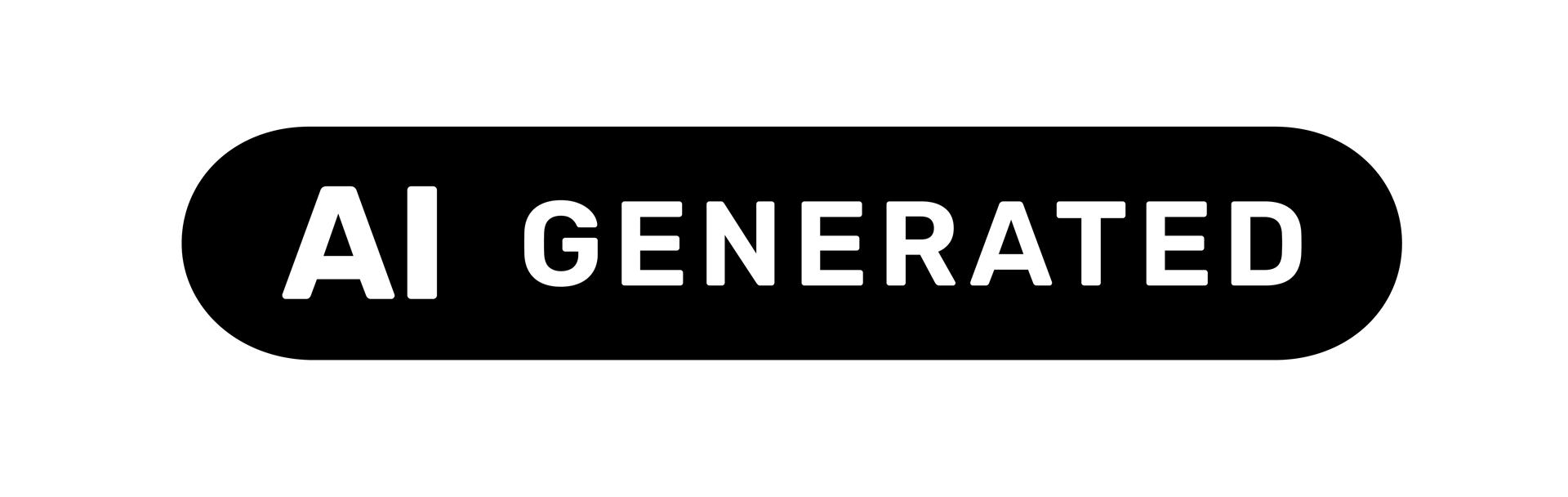
They are free to use with no attribution required, and reaching for the official mark is a clean way to show you took the label seriously. Download the official EU AI content labels (SVG and PNG), drop the right one on your creative, and keep it visible. One small point: using the icon is optional. Labeling is not.
AI Labels You Can Copy
Safe, plain versions to start from. Adjust them to your brand voice, just keep them visible:
- Image, fully generated: "AI-generated image."
- Real photo edited with AI: "Photo edited with AI."
- Video: an opening card that reads "This video contains AI-generated content," plus the AI icon in a corner throughout.
- Voice or audio: "This ad uses an AI-generated voice."
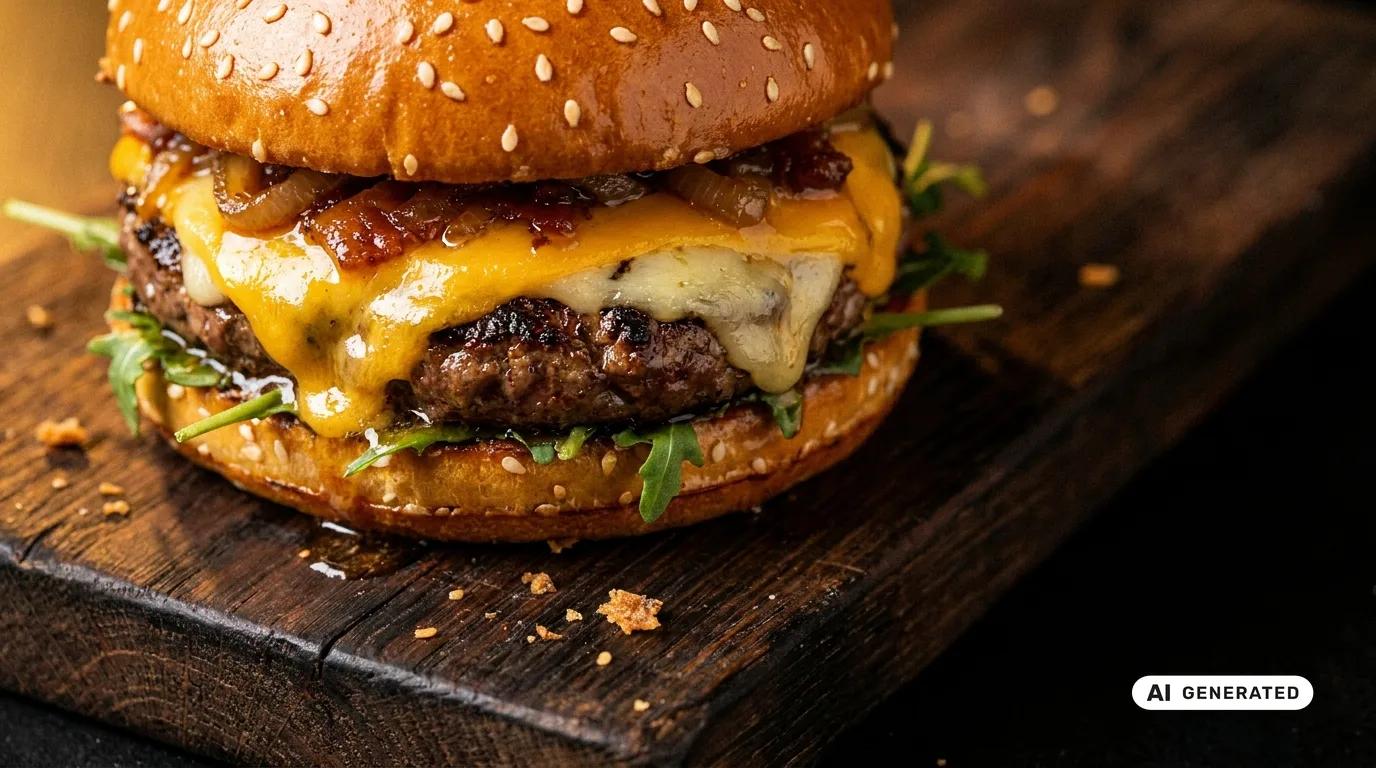
None of these are magic words. They work because they are clear.
When You Are Not Sure, Label the AI Content
Label it. Disclosure never creates liability, and skipping one can. That single habit covers most of the gray area for a fraction of the risk.
If you want the case-by-case version, which specific shots need a label and which do not, and how the answer changes between the EU, New York, and the rest of the US, I put together a plain checklist in does my ad need an AI label.

And if your team is producing enough AI content that this needs to be systemized, that is what our AI enablement work sets up: the right tools, a consistent label, and the check, built into how you already operate. Book a call and we will get your labeling habit running before the deadline, not after.
Labeling AI is not the hard part of using AI well. It is the easy part, and getting it right buys you trust you can measure.